
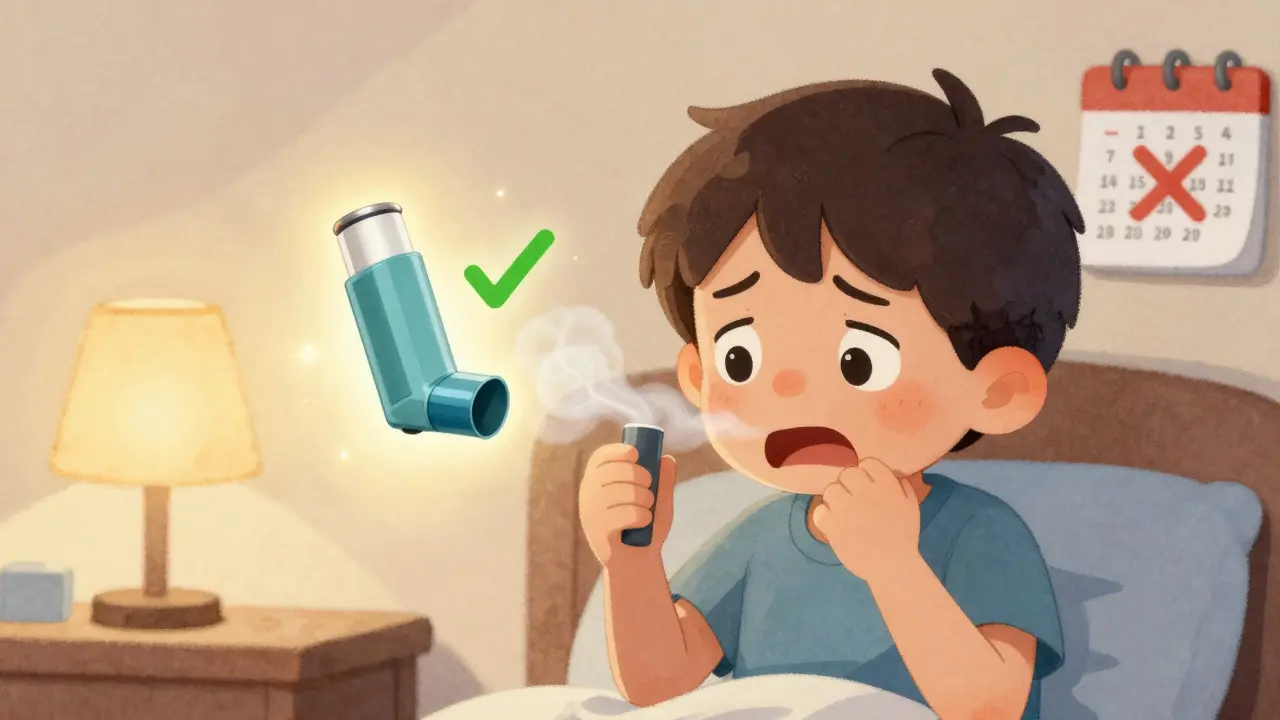
Using an expired inhaler during an asthma attack could mean the difference between breathing normally and ending up in the emergency room. The same goes for eye drops that have gone bad or creams that no longer work as they should. Yet, nearly 80% of Americans admit they’ve used medications past their expiration date. Why? Cost, convenience, or simply not knowing any better. But here’s the truth: expiration dates aren’t just paperwork. They’re safety markers - especially for inhalers, eye drops, and topical meds.
Why Expiration Dates Matter More Than You Think
Expiration dates aren’t arbitrary. They’re based on real-world testing. Manufacturers test how long a medication stays stable under normal storage conditions - temperature, humidity, light - and then set the date when they can no longer guarantee full potency or safety. For most pills, that’s 12 to 24 months after production. But for inhalers, eye drops, and creams? The clock ticks faster. Take inhalers. A Ventolin HFA inhaler, for example, is labeled to last 12 months after manufacturing. Once you take it out of the foil pouch? That timer drops to just 13 months. If you’re using an inhaler that’s six months past its date, you might be getting only 60-70% of the dose you need. In a crisis, that’s not enough. A 2021 study in the Chest Journal found that expired albuterol inhalers often deliver inconsistent doses, with variability jumping from 5% in fresh devices to 35% in expired ones. That’s not just ineffective - it’s dangerous. Eye drops are even riskier. They’re sterile when sealed. Once opened - or worse, after expiration - bacteria can grow fast. A 2022 study in Clinical Ophthalmology found that 38% of expired artificial tears showed microbial contamination. That’s not a typo. Over one in three bottles had bacteria in them. Using those drops could lead to eye infections, corneal ulcers, or even permanent vision damage. Topical medications like hydrocortisone cream behave differently. They don’t become toxic, but they lose strength. At room temperature (25°C), hydrocortisone retains about 90% potency for six months past expiration. But if your bathroom is warm - say, 30°C - that drops to 65%. You’re not getting the full anti-inflammatory effect. For rashes or eczema, that means symptoms won’t improve like they should.The Hidden Dangers of Improper Disposal
You might think tossing an expired inhaler in the trash is harmless. It’s not. Inhalers contain pressurized gas - usually HFA propellants - that can explode if crushed, incinerated, or punctured. In fact, 29% of expired inhalers still contain usable medication, according to MedProDisposal (2023). That’s not just a waste - it’s a hazard. If your trash gets compacted in a truck or burned in a landfill, those canisters can rupture. Firefighters have reported explosions from inhalers in waste facilities. Even worse, flushing medications down the toilet or sink pollutes waterways. The U.S. Geological Survey found medication residues in 80% of U.S. waterways. That’s not just an environmental issue - it affects aquatic life and eventually comes back to us through drinking water. The Environmental Protection Agency says pharmaceutical pollution impacts 46% of U.S. streams. And while the amounts are tiny, they add up - and we don’t fully understand the long-term effects.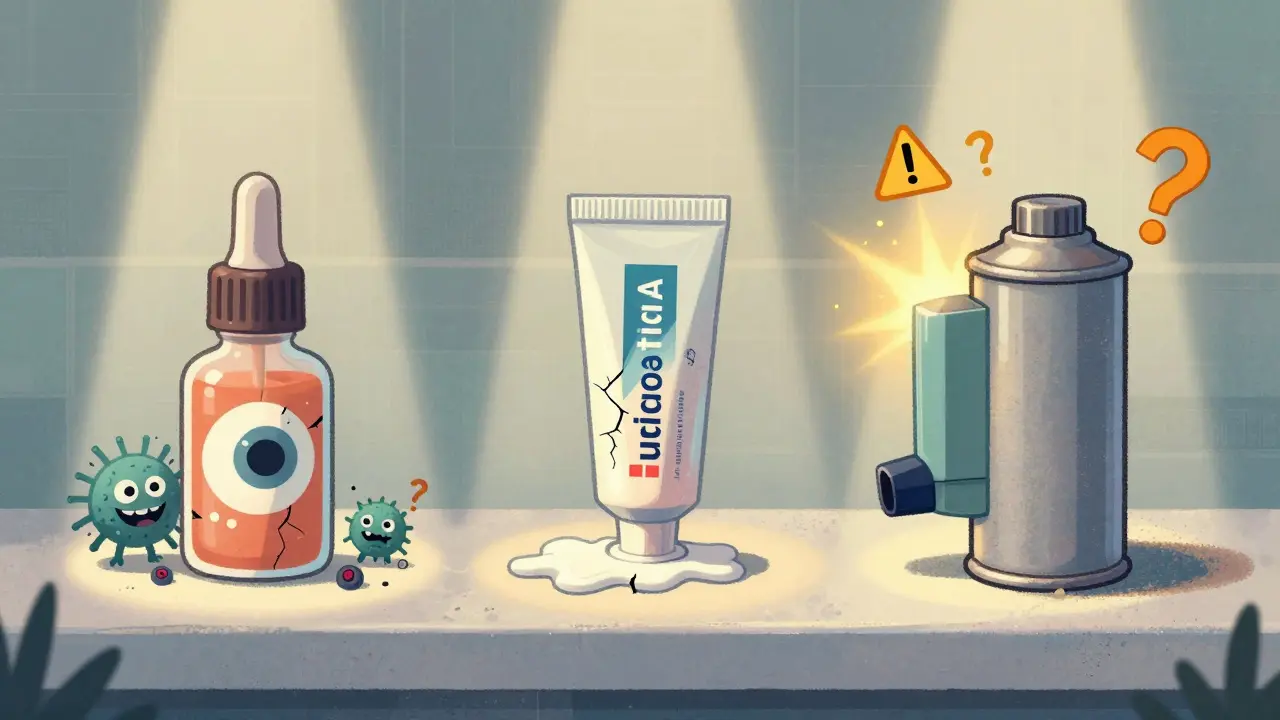
How to Properly Dispose of Each Type
For inhalers: Don’t throw them in the trash. Don’t flush them. Don’t leave them in a drawer. The safest way is through a drug take-back program. The DEA runs over 11,000 collection sites across the U.S., including pharmacies like CVS and Walgreens. Many offer free, prepaid mailers - just put the inhaler in the envelope, seal it, and drop it in the mailbox. Amazon Pharmacy started a free mail-back program in October 2023 and has already processed 12,000 units. Washington State and 78% of U.S. states now offer similar programs. If no take-back option is available, remove the canister from the plastic holder (if possible). Spray the medicine into a sink or toilet until empty. Then, throw the empty plastic part in the trash. Never puncture or burn the metal canister. For eye drops: These are high-risk. Even if they look clear, they may be contaminated. Discard them in a sealed container - mix with coffee grounds or kitty litter to make them unappealing to kids or pets. Then throw them in the trash. Never reuse or donate them. Never try to clean or refill them. For topical creams: Scrape out as much as you can into a sealed bag with dirt, sawdust, or used coffee grounds. Seal it tight. Put it in your regular trash. Don’t pour it down the drain. If you’re unsure whether the cream is still usable, don’t risk it. A weak cream won’t help - and might make things worse.What to Do If You’ve Already Used an Expired Medication
If you used an expired inhaler during an asthma attack and didn’t get relief, seek medical help immediately. Don’t wait. That’s not just a precaution - it’s a life-saving step. If you used expired eye drops and now have redness, pain, or blurry vision, see an eye doctor right away. For creams, if your rash got worse instead of better, stop using it and talk to your doctor. The good news? Most people who accidentally use expired meds don’t have serious reactions. But the risk isn’t zero. And when it comes to asthma or eye health, even a small chance of failure is too high.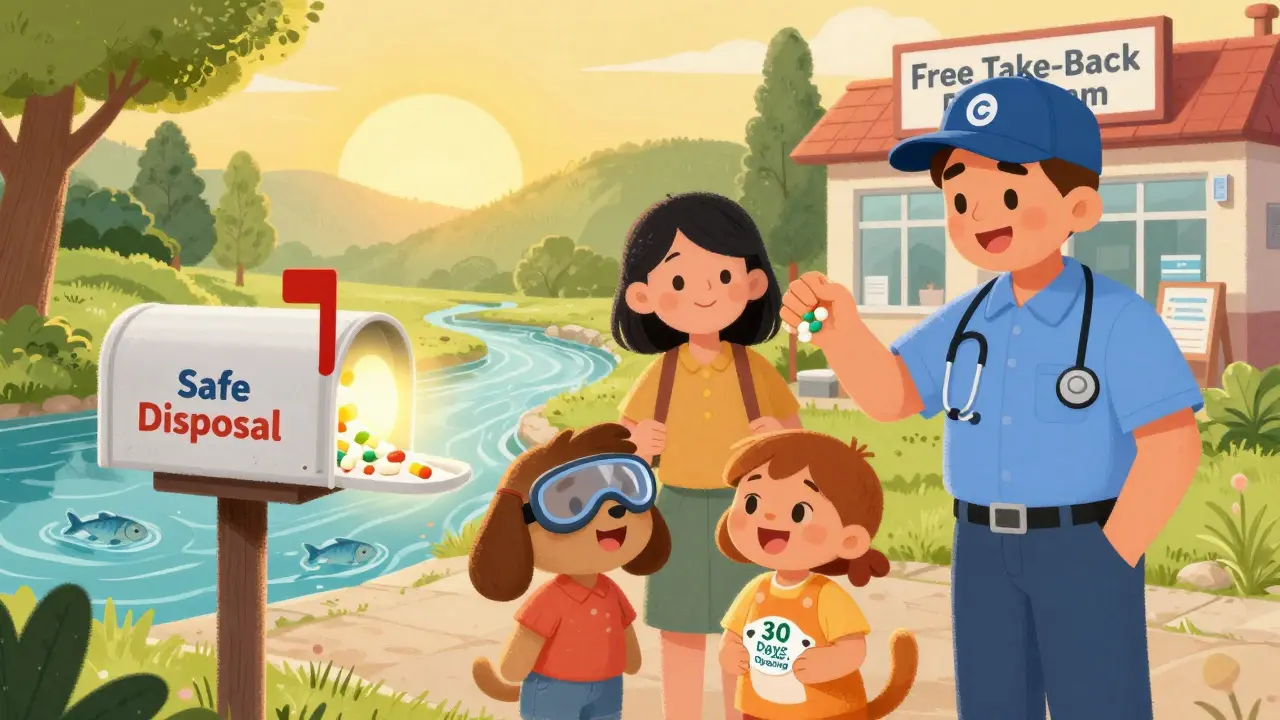
How to Prevent This from Happening Again
Start by cleaning out your medicine cabinet - once a year. Set a reminder on your phone. Check expiration dates on all inhalers, eye drops, creams, and ointments. Write the date you opened each item on the package. Eye drops? Throw them out 30 days after opening, even if the expiration date is later. Inhalers? Mark the date you took them out of the foil pouch. If cost is the reason you’re holding onto expired meds, talk to your doctor. Many manufacturers offer patient assistance programs. The Asthma and Allergy Foundation of America partnered with 1,200 community health centers in 2023 to give free inhaler disposal kits and new prescriptions to low-income patients. Medicaid and insurance programs are also expanding access to affordable alternatives. And consider smart packaging. Propeller Health’s GPS-enabled inhaler cap, released in Q2 2023, alerts you 30 days before expiration and tells you how to dispose of it properly. It’s not magic - but it’s one less thing to forget.What Experts Say
Dr. Robert Citard, a pharmacy professor at Purdue University, says this plainly: “Expired albuterol inhalers may deliver inconsistent doses. That unpredictability during an asthma attack can be deadly.” The FDA agrees - expiration dates are about potency, not safety. But for pressurized devices like inhalers, potency loss equals risk. The American Lung Association says it bluntly: “Using an expired inhaler during an asthma attack could be life-threatening.” And the American Academy of Allergy, Asthma & Immunology warns that expired allergy medications might not stop anaphylaxis. Bottom line: You can’t gamble with your health. If it’s expired, don’t use it. And don’t just toss it. Dispose of it the right way.Can I still use an expired inhaler if it looks fine?
No. Even if the inhaler looks clean or sprays normally, the medication inside may have lost potency. Studies show that after expiration, albuterol inhalers can deliver as little as 60% of the intended dose. During an asthma attack, that’s not enough to open your airways. Relying on an expired inhaler in an emergency can lead to hospitalization.
Are expired eye drops dangerous to use?
Yes. Expired eye drops can become contaminated with bacteria or fungi, even if they look clear. A 2022 study found 38% of expired artificial tears had microbial growth. Using them can cause serious eye infections, corneal ulcers, or permanent vision damage. Never use eye drops past their expiration date - even if they’re only a few days late.
Can I recycle expired inhalers?
No. Inhalers are not recyclable through regular curbside programs. The metal canisters contain pressurized gas and toxic propellants, which make them hazardous waste. Instead, use a drug take-back program, a free mail-back service, or properly empty and dispose of them as directed by the FDA. Never put them in recycling bins.
Where can I find a drug take-back location near me?
You can find nearby collection sites through the DEA’s National Prescription Drug Take Back Day website or by calling the Medicine Safe Disposal Hotline at 1-800-222-1222. Major pharmacies like CVS and Walgreens offer take-back bins at over 18,000 locations combined. Many states now offer free prepaid mailers - check your state’s health department website for details.
Why do some people say expired medications still work?
Some medications, like pills stored in cool, dry places, may retain potency longer than labeled. The FDA’s Shelf Life Extension Program found 88% of drugs tested still worked years past expiration - but this doesn’t apply to inhalers, eye drops, or creams. These types degrade faster due to exposure to air, moisture, and temperature changes. Relying on anecdotal reports is risky. If it’s expired, treat it as ineffective.
If you’re worried about cost, talk to your doctor or pharmacist. There are programs that give away free or low-cost inhalers and eye drops. Don’t risk your health - or your safety - by using something past its date. Proper disposal protects you, your family, and the environment.
10 Comments
Jinesh Jain
Interesting read. I never thought about how fast eye drops go bad after opening. My grandma used to keep hers for years, said they were fine. Now I’m gonna throw hers out next time I visit.
Richard Harris
man i just threw out my ventolin last week cause it was 3 months past expiry. thought i was being paranoid but now i feel smart lol. also never knew about the mail back thing, that’s actually kinda cool
Kandace Bennett
OMG YES! 🙌 I’ve been saying this for YEARS. People are literally playing Russian roulette with their asthma. And don’t even get me started on how lazy Americans are about disposal. 🇺🇸 We’re not just irresponsible-we’re dangerous. Thank you for this wake-up call! 💯
Tim Schulz
Oh wow, a 2021 study in the Chest Journal? How quaint. Meanwhile, in the real world, people are using expired inhalers because they can’t afford $400 replacements. The real crisis isn’t expired meds-it’s a healthcare system that treats breathing like a luxury. 🤷♂️
Devin Ersoy
Here’s the spicy take: expiration dates are corporate theater. The FDA’s own Shelf Life Extension Program proves most drugs last decades. But inhalers? Eye drops? Yeah, fine, those are legit risky. But let’s not pretend this is about safety-it’s about profit margins. If pharma didn’t make us replace things every 12 months, they’d lose billions. 😏
Sabrina Sanches
Just threw out my hydrocortisone today-3 months past expiry. Didn’t even realize it was expired. I’m gonna start writing the open date on everything. Seriously. This changed my life. Thank you.
Dylan Patrick
My cousin used an expired inhaler during a panic attack last year. Thought it was just anxiety. Turned out it was asthma. She ended up in the ER. This isn’t theoretical. It’s real. Don’t gamble with your airways.
Katherine Rodriguez
Why are we even having this conversation? If you can’t afford medicine, get on Medicaid. Stop using expired stuff. It’s not rocket science. Just don’t be reckless. Period.
Shruti Chaturvedi
I live in India and we reuse everything because we have to. But I never thought about eye drops. After reading this, I’m telling my sister to throw hers out. She’s been using the same bottle for 2 years. Scary.
Rosemary Chude-Sokei
Thank you for the comprehensive breakdown. The environmental implications of improper disposal are often overlooked. I’ve begun using the mail-back program through my local pharmacy. Small actions, collective impact. I encourage everyone to do the same.