
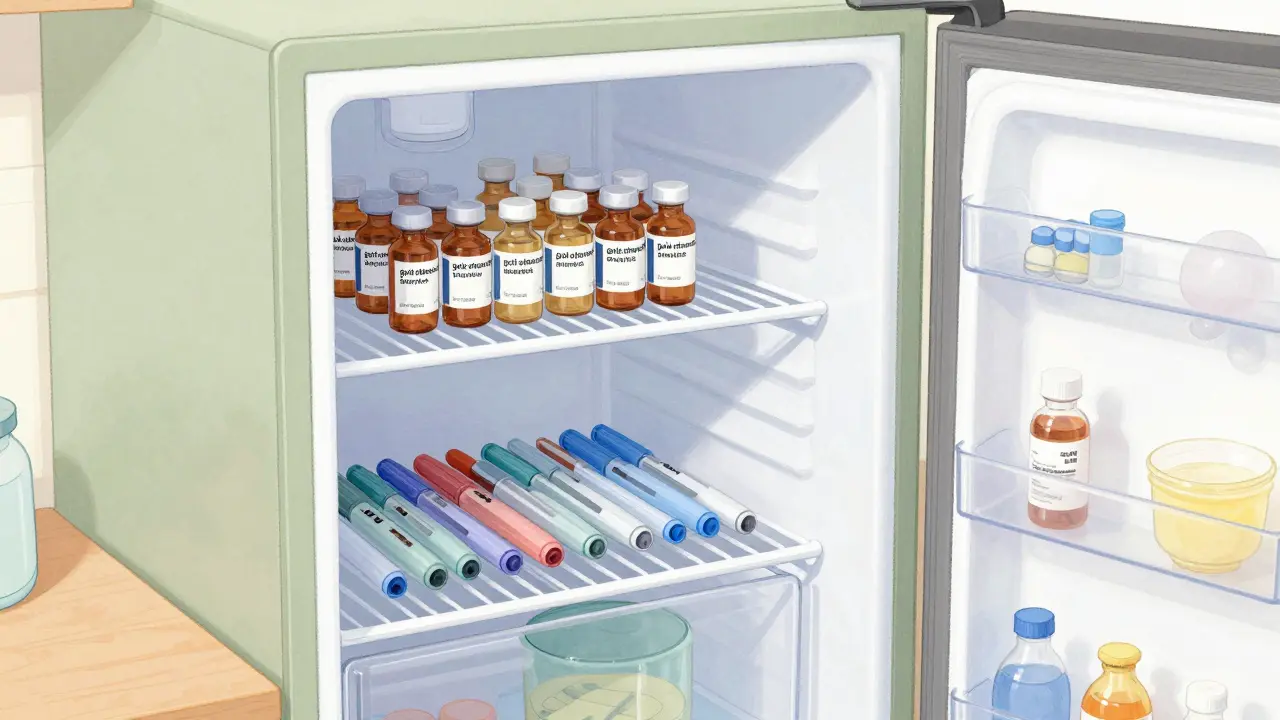
Quick Guide to Insulin Storage
- Unopened: Keep in the refrigerator between 36°F and 46°F (2°C to 8°C).
- In-Use (Pens/Vials): Room temperature (59°F to 86°F) usually for 28 days.
- Danger Zone: Never freeze insulin; discard if it hits 98.6°F (37°C).
- Pump Users: Replace reservoir every 72 hours regardless of temp.
Storing Unopened Insulin: The Gold Standard
When you bring home a new batch of insulin from the pharmacy, your first priority is the refrigerator. This is the only way to ensure the medication stays potent until its official expiration date. Most major manufacturers, including Eli Lilly, Novo Nordisk, and Sanofi, mandate a strict temperature range of 36°F to 46°F. But where you put it in the fridge matters just as much as the temperature. Avoid the door shelves and the very back of the unit. Why? Because the door fluctuates every time you open the fridge, and the back wall can actually be cold enough to freeze the liquid. If insulin freezes, it forms crystals that permanently destroy the protein. Once it's frozen, it's trash-no matter if it thaws out later.Managing Insulin Currently in Use
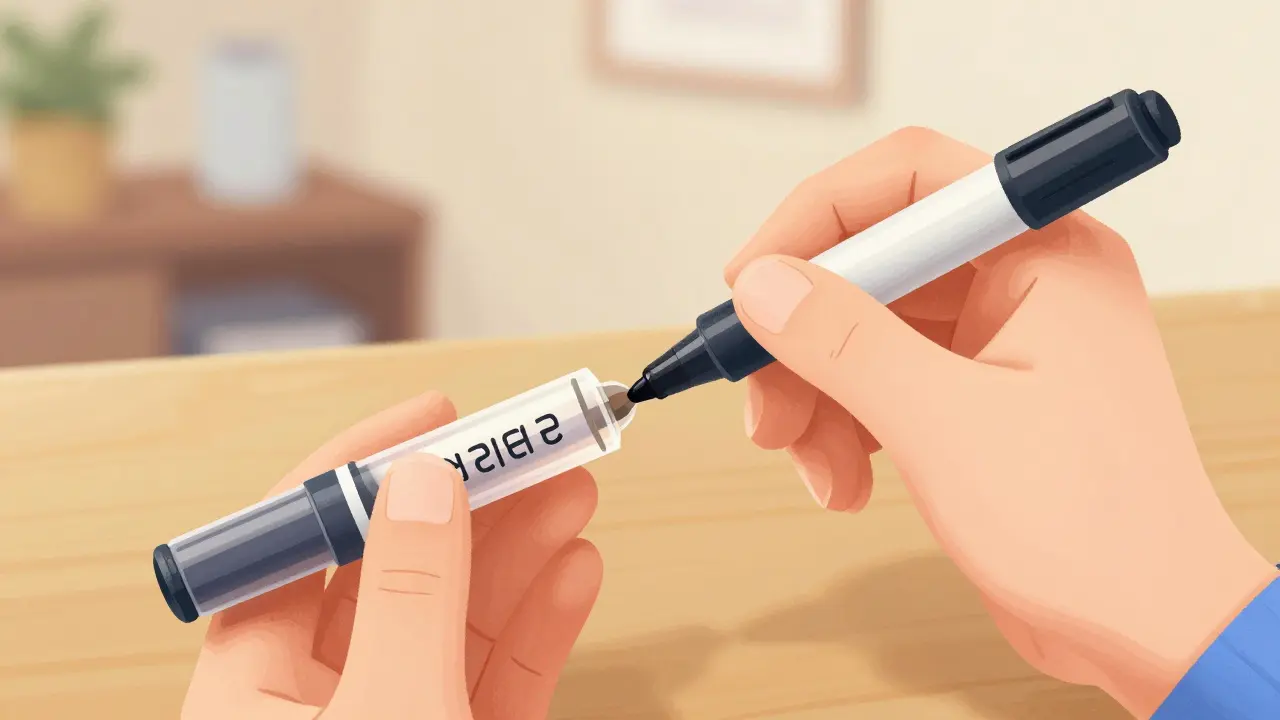
Once you puncture a vial or start using a pen, the rules change. You don't actually have to keep your active pen in the fridge. In fact, many people find that injecting cold insulin causes a stinging sensation. Letting your insulin reach room temperature (between 59°F and 86°F) for about 30 minutes before your shot can make the experience much more comfortable. However, the clock starts ticking the moment the insulin is exposed to room temperature. For most standard formulations, you have a 28-day window before the medication begins to lose its effectiveness. It's a bit of a guessing game if you don't track it, so the best habit is to use a permanent marker to write the date you opened the pen or vial directly on the container. Not all insulins are created equal, though. While many follow the 28-day rule, some are more fragile or more hardy:- Isophane insulin: Generally expires after just 14 days at room temperature.
- Insulin Degludec (Tresiba): One of the more stable options, lasting up to 8 weeks.
- Toujeo: Recently approved for up to 56 days of room temperature stability.
| State | Ideal Temp Range | Max Duration | Critical Warning |
|---|---|---|---|
| Unopened | 36°F - 46°F (2°C - 8°C) | Until Expiration Date | Do not freeze |
| In-Use (Standard) | 59°F - 86°F (15°C - 30°C) | 28 Days | Discard after 28 days |
| In-Use (Degludec) | 59°F - 86°F (15°C - 30°C) | Up to 8 Weeks | Check for cloudiness |
| Pump Reservoir | Room Temp | 72 Hours | Discard immediately if > 98.6°F |
Special Considerations for Insulin Pump Users
If you use an Insulin Pump, your storage needs are even more urgent because the insulin is sitting in a reservoir against your skin, which is essentially a constant heat source. Regardless of the temperature, you must replace the insulin in your reservoir and the infusion set every 72 hours. If you're spending a day at the beach or in a hot car and your pump is exposed to temperatures above 98.6°F (37°C), you need to change the reservoir immediately. Even if it hasn't been 72 hours, the heat can degrade the insulin inside the pump far faster than it would in a pen. Another red flag for pump users is appearance. Insulin that is supposed to be clear must stay clear. If you see any cloudiness or tiny particles (precipitate), that's a sign the protein has collapsed. Toss it and start fresh.Traveling with Insulin
Travel is where most storage mistakes happen. The biggest mistake? Putting insulin in the glove compartment or the center console of a car. On a mild 75°F day, the inside of a car can act like a greenhouse, hitting 100°F in under an hour. This will destroy your insulin rapidly. To keep your supplies safe on the road, avoid using standard ice packs that touch the insulin directly, as they can accidentally freeze the medication. Instead, look into specialized cooling cases like the Frio Wallet. These use evaporative cooling to keep insulin between 59°F and 86°F for up to 45 hours without needing a freezer. If you prefer a hard case, use an insulated bag with a phase-change material that keeps a steady temperature rather than a freezing one.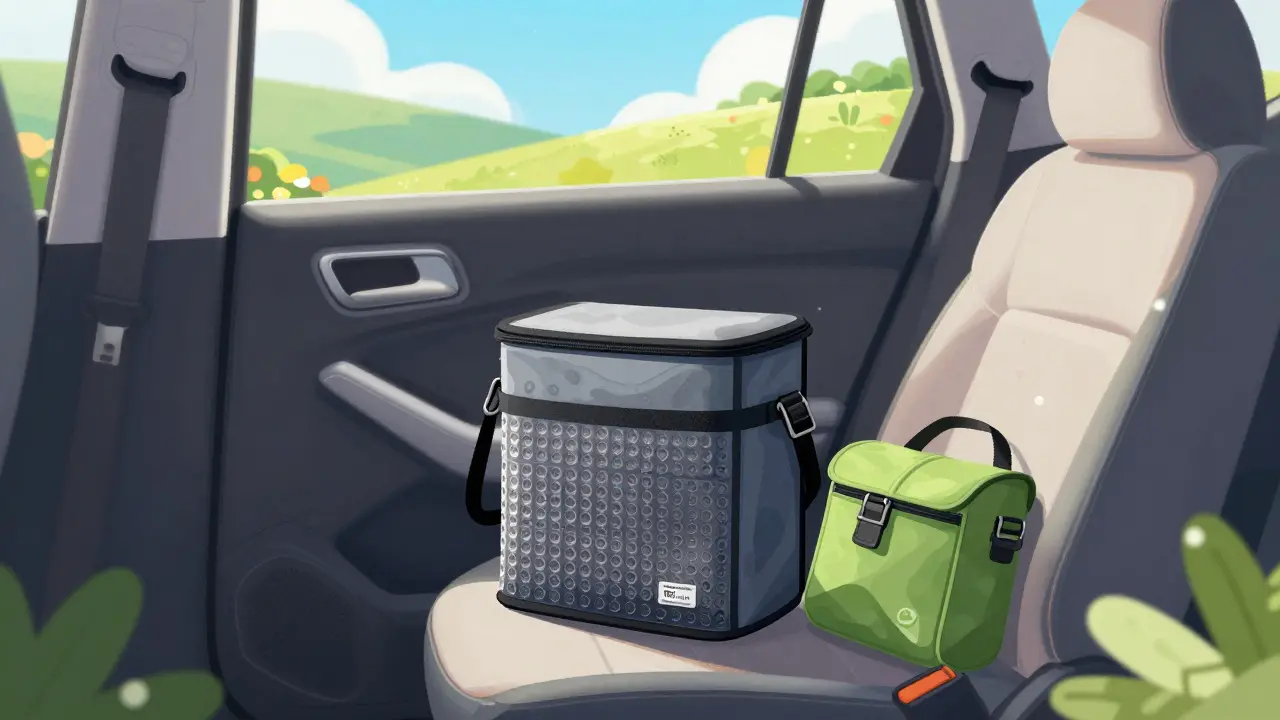
When to Throw It Away
Knowing when to keep your insulin is important, but knowing when to toss it can save your life. You should discard your insulin immediately if any of the following occur:- Extreme Heat: It was exposed to temperatures above 98.6°F (37°C), even for a short time.
- Freezing: It was left in the freezer or against a freezing fridge wall.
- Visual Changes: Clear insulin looks cloudy, or cloudy insulin (like NPH) has clumps or crystals that don't go away after gently rolling the vial.
- Expired Date: The date on the box has passed, regardless of whether it was refrigerated.
- The 28-Day Mark: Your opened pen or vial has been at room temperature for more than terms specified by the manufacturer (usually 28 days).
Can I store my active insulin pen in the refrigerator?
Yes, you can, but it isn't necessary. Many people prefer keeping active pens at room temperature to avoid the sting of cold injections. Just remember that if you do keep it in the fridge, you should still track the expiration date and ensure it doesn't touch the back wall where it might freeze.
What happens if my insulin freezes?
Frozen insulin is permanently damaged. The freezing process creates crystals that break the molecular structure of the protein. Even after it thaws, it will not work effectively. You must discard any insulin that has been frozen.
How do I know if my insulin has lost its potency?
The most common signs are visual: look for unexpected cloudiness in clear insulin or clumps in cloudy insulin. However, some degradation isn't visible. If you notice your blood glucose levels are unexpectedly high despite taking your correct dose, your insulin may have lost potency due to heat exposure.
Is it safe to use insulin that is 30 days old but kept in the fridge?
If the insulin has remained unopened and refrigerated within the 36°F to 46°F range, it is safe until the expiration date printed on the box. However, if the vial or pen was opened 30 days ago, you should check the specific manufacturer's guidelines. Most standard insulins are rated for 28 days at room temperature, but refrigerated active insulin may last longer-though most doctors recommend sticking to the 28-day cycle for safety.
Where is the worst place to store insulin?
Avoid car glove compartments, bathrooms (due to steam and heat from showers), and windowsills. These areas experience extreme temperature swings that can quickly degrade the medication's effectiveness.
Next Steps for Your Supplies
To keep your management system foolproof, try these three steps today:- Audit your fridge: Move your insulin away from the back wall and the door to a stable middle shelf.
- Start a logging system: Use a permanent marker to date every pen the moment you open it.
- Pack a travel kit: If you travel often, invest in an evaporative cooling wallet to avoid the "car heat" trap.