

MAOI Tyramine Risk Estimator
Current Meal Log
- No items added yet...
Add food items above to analyze the tyramine risk level of your meal.
Taking a Monoamine Oxidase Inhibitor (MAOI) can feel like a double-edged sword. On one hand, these medications are often the "gold standard" for treatment-resistant depression, boasting response rates of 50-60% when other drugs fail. On the other hand, they come with a set of dietary rules that can seem overwhelming at first. If you've been prescribed one of these, you've likely heard the warning about "the cheese effect." While it sounds scary, the reality is that modern food science has made managing these restrictions much easier than it was in the 1960s.
The core issue is a compound called tyramine. Normally, your body uses an enzyme called monoamine oxidase to break tyramine down. But because MAOIs is a class of antidepressant medications that inhibit the monoamine oxidase enzyme to increase neurotransmitter levels block that enzyme, tyramine can build up in your system. If too much hits your bloodstream at once, it can trigger a massive release of norepinephrine, leading to a dangerous spike in blood pressure known as a hypertensive crisis.
Which MAOIs Require Strict Diets?
Not every MAOI is the same. The level of restriction depends entirely on the specific drug and the dose. The most stringent rules apply to irreversible, non-selective inhibitors. These include Phenelzine (Nardil), Tranylcypromine (Parnate), and Isocarboxazid (Marplan). These drugs essentially "turn off" the enzyme for a while, meaning your gut can't process tyramine effectively.
Then there is Selegiline (Emsam). If you're using the transdermal patch at a dose of 6 mg/24 hours, you're in luck. At this level, the drug primarily targets the MAO-B enzyme, leaving the MAO-A enzyme in your gut free to handle tyramine. This means far fewer dietary worries. However, if the dose exceeds 6 mg, the safety profile changes, and you'll need to follow a stricter plan.
Understanding Tyramine Triggers
The old-school lists of "forbidden foods" are often too restrictive. Modern research shows that tyramine levels depend heavily on how food is processed and stored. Generally, the rule of thumb is that 6 mg of tyramine per meal is safe, while a crisis usually only happens when someone consumes more than 25 mg in one sitting.
The biggest red flags aren't necessarily the types of food, but how old they are. Tyramine increases as proteins break down. This is why fresh food is your best friend. For example, chicken livers stored at 4°C for two days have about 15 mg of tyramine per 100g, but if they sit at 10°C for three days, that number jumps to nearly 129 mg. Storage is everything.
| Food Category | Typical Tyramine Value | Risk Level |
|---|---|---|
| Fresh Mozzarella / Cottage Cheese | < 1.5 mg | Low |
| Commercial Cheddar (Properly stored) | 0.1 - 1.0 mg | Low/Moderate |
| Aged Cheeses (> 6 months) | > 20 mg | High |
| Soy Sauce | 10.5 - 118.4 mg | High |
| Dry Fermented Sausages | 25.4 - 150.3 mg | High |
| Tap Beer / Unpasteurized Beer | 5.2 - 35.6 mg | Moderate/High |
Practical Safety Plan for Daily Life
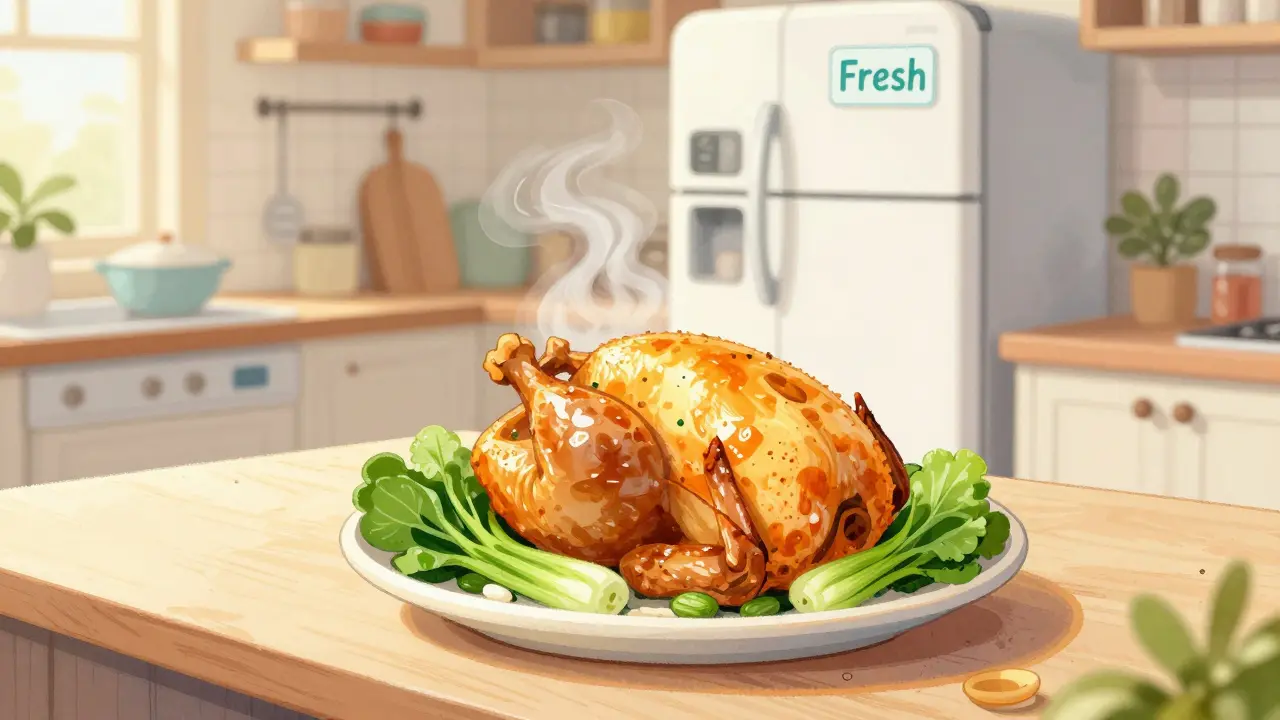
Living with MAOI dietary restrictions doesn't have to mean eating bland food. It just requires a bit of strategy. The most important rule is to prioritize freshness. Try to eat proteins within 24 hours of cooking them. If you're just starting your medication, avoid leftovers entirely for the first month while your body adjusts.
Here is a step-by-step approach to staying safe:
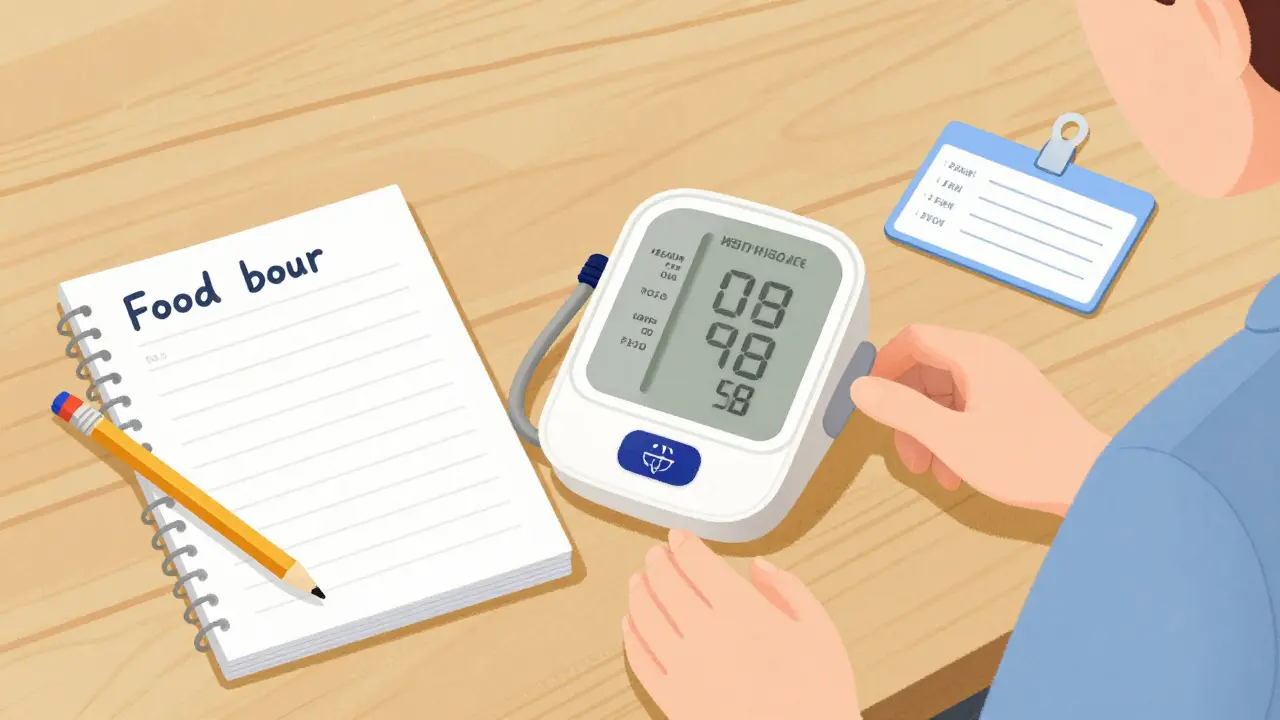
- Track Your Intake: Keep a 7-day food diary when you first start. Note any foods that make you feel jittery or cause a headache.
- Monitor Your Pressure: Use a home blood pressure monitor. Check your levels before and two hours after trying a new food.
- Limit High-Risk Items: If you crave aged cheese, limit yourself to about 150g every three days. Keep tap beer to one small serving per week.
- Avoid Soy Sauce: This is one of the most concentrated sources of tyramine. Use coconut aminos as a safer alternative.
- Carry ID: Always have an MAOI identification card in your wallet. In an emergency, paramedics need to know exactly what you're taking.
Spotting and Handling a Hypertensive Crisis
You need to know the warning signs of a tyramine reaction. It usually starts with a sudden, severe "thunderclap" headache, often accompanied by a racing heart (tachycardia), nausea, and stiff neck muscles. If you feel these symptoms, the first thing to do is check your blood pressure.
If your systolic blood pressure (the top number) exceeds 180 mmHg, you are in a critical zone. Some doctors recommend having sublingual nifedipine (0.2-0.4 mg) on hand to bring the pressure down quickly, but this must be discussed and approved by your healthcare provider first. Regardless of whether you have emergency meds, a spike this high requires immediate medical attention to prevent a stroke.
Transitioning Off the Medication
One of the biggest mistakes people make is returning to "forbidden" foods the day after their last pill. Because irreversible MAOIs permanently disable the enzyme, your body needs time to build new ones. According to current guidelines, it takes about 14 to 21 days for enzyme activity to regenerate.
If you eat a high-tyramine meal on day three after stopping your meds, you are still at risk for a hypertensive crisis. Stick to the diet for at least two full weeks after your final dose to be safe.
Can I eat bananas and chocolate on an MAOI?
Yes, in moderation. Old guides listed them as dangerous, but modern data shows that banana pulp and moderate amounts of chocolate (up to 30g) are generally safe for most people.
Why is soy sauce so dangerous compared to other condiments?
Soy sauce undergoes a long fermentation process where proteins break down into high levels of tyramine. Some varieties can contain over 100 mg per 100g, which is well above the threshold for a reaction.
Are there any MAOIs that don't require this diet?
Reversible inhibitors of MAO-A (RIMAs), like moclobemide, have much looser restrictions because they detach from the enzyme more easily, allowing tyramine to be processed.
What is the safest way to eat fish on this diet?
Always choose fresh or flash-frozen fish. Avoid fish that has been stored in a refrigerator for several days or traditionally smoked fish that isn't kept strictly chilled, as tyramine levels spike rapidly during storage.
How do I know if my blood pressure spike is a crisis or just stress?
A tyramine-induced crisis is usually sudden and follows a meal. The hallmark is a severe, throbbing headache combined with a systolic reading over 180 mmHg. Stress rarely causes such an acute, violent spike immediately after eating.