

When a migraine hits, waiting for one pill to work isn’t always enough. Many people find that taking just a triptan or just an NSAID doesn’t give them full relief-especially if the pain is moderate to severe. That’s where migraine combination medications come in. These aren’t just two pills taken at the same time. They’re carefully designed pairs of drugs that attack migraine from different angles, and now, thanks to generics, they’re more affordable than ever.
Why Two Drugs Are Better Than One
Migraine isn’t just a bad headache. It’s a complex neurological event involving inflammation, nerve signaling, and blood vessel changes. A single drug can’t fix all of that. Combination therapy works because it targets multiple pathways at once. For example, triptans like sumatriptan shrink swollen blood vessels and block pain signals in the brain. NSAIDs like naproxen reduce inflammation and calm the pain response. When you put them together, you get more than just the sum of the parts. Studies show that people who take sumatriptan and naproxen together are nearly 50% more likely to be pain-free in two hours than those who take either one alone. The same goes for the over-the-counter combo: acetaminophen, aspirin, and caffeine. Acetaminophen eases pain, aspirin reduces swelling, and caffeine helps the other two absorb faster and even boosts their effect by blocking pain-signaling chemicals in the brain. Together, they’re significantly more effective than any single ingredient.Generic Sumatriptan/Naproxen: The New Standard
Before 2020, the only way to get sumatriptan and naproxen in one pill was through Treximet-a branded version that cost up to $450 per dose. That changed when the patent expired. Now, generic versions are widely available and cost between $15 and $25 per tablet. Here’s the key detail: the branded Treximet tablet contains 85 mg of sumatriptan and 500 mg of naproxen sodium. But research shows that taking a 50 mg generic sumatriptan tablet with a 500 mg generic naproxen tablet works just as well. You don’t need the higher 85 mg dose to get the same relief. This means you can save even more by buying the two pills separately. In fact, since 2021, over 90% of prescriptions for this combination are now generic. Most pharmacies stock them, and insurance covers them just like any other generic. For someone who gets migraines several times a month, switching to generics can cut monthly medication costs from $300 to under $50.Excedrin Migraine and Its Generic Twin
If you prefer over-the-counter options, Excedrin Migraine has long been a go-to. Each tablet contains 250 mg acetaminophen, 250 mg aspirin, and 65 mg caffeine. The recommended dose is two tablets-so 500 mg of each pain reliever and 130 mg of caffeine. But you don’t need the brand name. Generic versions of this combo are sold under dozens of labels-CVS Health, Walgreens, Equate, and more. They’re identical in ingredients and dosage. And they cost less than a dollar per dose. That’s a huge difference from the $5-$7 price tag of the branded version. One thing to watch: caffeine. While it helps, too much can cause jitteriness or trouble sleeping. If you’re sensitive to caffeine, stick to one tablet unless your doctor says otherwise. Also, avoid this combo if you have stomach ulcers, liver disease, or are on blood thinners.What About Other Combinations?
Sumatriptan and naproxen are the most studied, but other combos are gaining traction. In 2024, a new study showed that rizatriptan (10 mg) plus naproxen (500 mg) works just as well as sumatriptan/naxopren for people who don’t respond to the first triptan. This gives doctors more options if one combo doesn’t work. There’s also ongoing research into meloxicam (an NSAID) with rizatriptan-called AXS-07-which is expected to be approved in early 2025. Early results suggest it might be slightly more effective than sumatriptan/naxopren, with up to 52% of users pain-free at two hours. But not all combinations work. For example, combining topiramate and propranolol-two drugs used to prevent migraines-has been shown to offer no extra benefit over placebo. That’s important: combination therapy helps for acute attacks, not necessarily for prevention.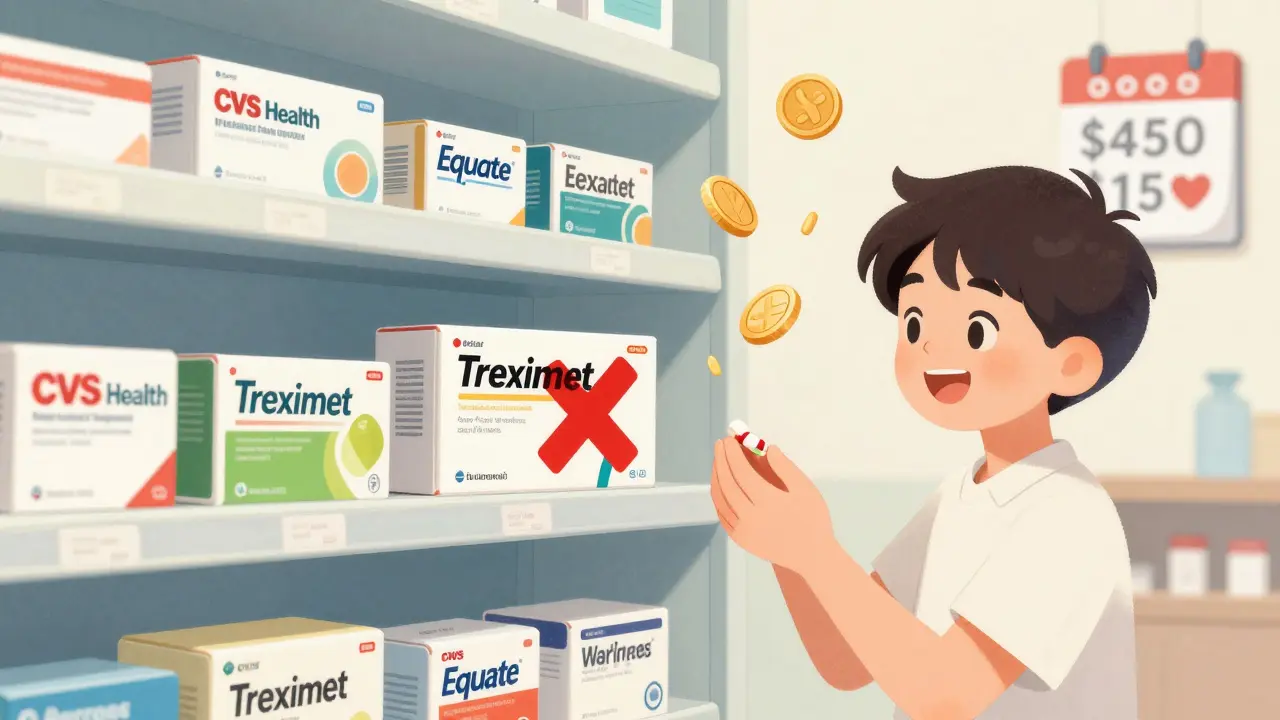
When to Use Combination Therapy
You don’t need a combo for every migraine. If your headache is mild and you get relief with ibuprofen or acetaminophen alone, stick with that. Combination meds are best for:- Migraines rated 4 or higher on a 0-10 pain scale
- Attacks that don’t respond to a single triptan or NSAID
- Headaches that come back within 24 hours after initial treatment
- Severe nausea or vomiting, where fast absorption matters
Cost Savings and Accessibility
The shift to generics has changed everything. Here’s a quick comparison:| Medication | Branded Cost (per dose) | Generic Cost (per dose) | Savings |
|---|---|---|---|
| Treximet (sumatriptan/naproxen) | $350-$450 | $15-$25 | 95%+ |
| Excedrin Migraine | $5-$7 | $0.50-$1.00 | 85-90% |
Side Effects and Safety
Combination meds are generally safe when used correctly, but they’re not risk-free.- Naproxen: Can cause stomach upset, ulcers, or kidney issues with long-term use. Avoid if you have kidney disease or are on blood pressure meds.
- Sumatriptan: May cause chest tightness, dizziness, or tingling. Not safe if you have heart disease or uncontrolled high blood pressure.
- Caffeine: Can trigger anxiety or insomnia. Limit to no more than 200 mg per day from all sources.
- Medication-overuse headache: Using any migraine med (including combos) more than 10 days a month can make headaches worse over time. Track your doses.

How to Get Started
If you think combination therapy might help:- Track your migraines: Note severity, duration, and what helps (or doesn’t).
- Try a single triptan or NSAID first. If it doesn’t work after two doses, consider a combo.
- Ask your doctor for a prescription for generic sumatriptan 50 mg + naproxen 500 mg.
- For OTC, pick up a generic acetaminophen/aspirin/caffeine tablet from your local pharmacy.
- Take it at the first sign of a migraine-not after it peaks.
What’s Next?
The future of migraine treatment is moving toward smarter, more targeted combos. New drugs are being tested that combine triptans with other anti-inflammatories or even CGRP blockers. But for now, the proven, affordable options are right on the shelf. The biggest mistake people make? Waiting too long to try a combo. Migraine treatment works best when it’s fast. Don’t wait for the pain to get unbearable. If one drug isn’t enough, two might be the answer.Are generic migraine combination meds as effective as brand names?
Yes. Generic sumatriptan/naproxen and acetaminophen/aspirin/caffeine contain the exact same active ingredients and dosages as the brand-name versions. Multiple studies confirm they work just as well. The only difference is the price-generics cost up to 95% less.
Can I take sumatriptan and naproxen separately instead of in one pill?
Absolutely. In fact, many doctors recommend this approach. Taking a 50 mg sumatriptan tablet with a 500 mg naproxen tablet is just as effective as the branded Treximet pill, and often cheaper. You can even space them 30 minutes apart if you’re worried about stomach upset.
How often can I safely use migraine combination meds?
Limit use to no more than 10 days per month. Using these medications more often can lead to medication-overuse headaches, which are harder to treat. If you need them more than twice a week, talk to your doctor about preventive options.
Is Excedrin Migraine better than ibuprofen for migraines?
Yes, for most people. Excedrin Migraine (and its generics) are about 69% more effective than ibuprofen alone. Ibuprofen helps mild headaches, but the combo of acetaminophen, aspirin, and caffeine works better for moderate to severe migraines because it hits multiple pain pathways.
Do I need a prescription for migraine combination meds?
Only for sumatriptan/naproxen. That combo requires a prescription. But the acetaminophen/aspirin/caffeine combo is available over the counter in generic form at any pharmacy. You don’t need a doctor’s note to buy it.
Can I use these meds if I’m pregnant or breastfeeding?
Talk to your doctor first. Naproxen and aspirin are generally avoided during pregnancy, especially in the third trimester. Acetaminophen is considered safer, but caffeine should be limited. Breastfeeding mothers can usually use low doses, but it’s best to check with a healthcare provider.
9 Comments
Alex Ronald
Just switched to generic sumatriptan + naproxen last month after years of wasting cash on Treximet. Same relief, same timing, but now I’m saving like $200 a month. My wallet and my migraines both thank me. Seriously, if you’re still paying full price for this combo-you’re leaving money on the table.
Nicole K.
People just don’t understand how dangerous these pills are. Naproxen can wreck your stomach and kidneys. And caffeine? It’s a drug. You’re just training your brain to need it. Stop treating migraines like they’re a coffee problem.
Fabian Riewe
Love this breakdown. I used to take Excedrin like candy until I realized I was getting rebound headaches. Now I stick to one combo per month max, track it in my phone, and only use it when it’s a 7+ pain day. Game changer. Also, spacing the pills 30 min apart helped my stomach a ton. No more burning.
Amy Cannon
As someone who has studied neurology in both the United States and the United Kingdom, I must say that the pharmacokinetics of these combinations are truly fascinating. While the data is compelling, I must caution against the casual use of NSAIDs in conjunction with triptans, as the risk of gastrointestinal hemorrhage increases substantially with chronic use. That said, I am delighted to see that generic formulations have become so accessible-this is a triumph of public health policy, even if the average person doesn’t realize it. I always recommend patients keep a headache diary, as patterns emerge that even MRIs can’t detect.
Himanshu Singh
i use the generic excedrin migrane and it workss so good!! i used to take 3 ibuprofen and still hurt, now one tab and im good in 45 min. only thing i do is drink a lot of water after, else i get a little dizzy. thanks for sharing this!!
Greg Quinn
It’s interesting how we treat pain like a problem to be solved, rather than a signal. These combos are brilliant, sure-but they’re also a symptom of a system that pushes quick fixes over root causes. Why are we having so many migraines in the first place? Stress, sleep, screens, diet… the meds help, but they don’t ask the deeper questions. Still, I’m not mad at a $15 solution that lets me function. Just… maybe don’t forget to look up from the screen once in a while.
Lisa Dore
For anyone reading this and thinking ‘I can’t afford this’-you can. Seriously. I’m on Medicaid and got my generic sumatriptan/naproxen for $3 at CVS. No joke. Talk to your pharmacist. Ask about GoodRx. Don’t let cost stop you. You deserve to feel better. And if you’re scared to ask your doctor, just say: ‘I read about this combo-can we try it?’ They’ll be thrilled you’re informed.
Sharleen Luciano
How is it that people still think generic = inferior? This isn’t 2005. The FDA requires bioequivalence. If you’re still buying brand-name Excedrin, you’re not being loyal-you’re being exploited. And let’s be honest: if you need caffeine to make your painkillers work, you’re probably just addicted to sugar and screen time. Stop blaming your migraines on biology. Start fixing your lifestyle.
Jim Rice
Everyone’s acting like this is some revolutionary breakthrough. Newsflash: this combo has been around since 2010. The only thing new is the hype. And don’t get me started on ‘generic equals cheaper’-pharmacies jack up the prices on generics to make up for lost brand profit. I’ve seen $40 for a 10-pack. You’re being played. And don’t even get me started on the caffeine myth-it doesn’t ‘boost absorption,’ it just makes you jittery so you think it’s working.