
Steroid-Induced Insulin Adjustment Estimator
Patient Parameters
Initial/Basal Adjustment
Correction Bolus
Calculated Estimates:
Imagine waking up to find your blood sugar levels skyrocketing, despite following your usual diabetes routine perfectly. If you've just started a course of corticosteroids, you're not imagining things. This is Steroid-Induced Hyperglycemia is a condition where blood glucose levels rise significantly due to the use of glucocorticoids, which increase insulin resistance and glucose production in the liver. Also known as glucocorticoid-induced hyperglycemia, it affects up to 50% of people on moderate to high-dose steroid therapy. It is one of the most common drug-induced metabolic complications, especially in hospital settings.
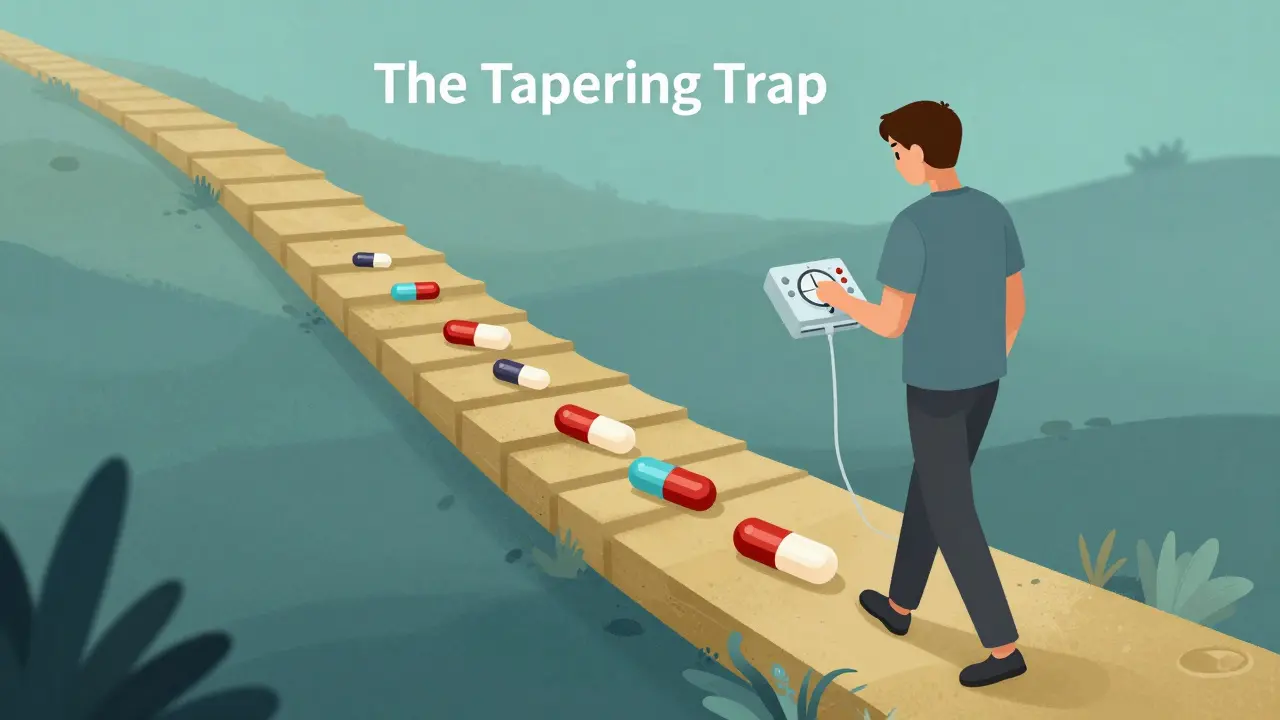
The real danger isn't just the high numbers during treatment; it's the "tapering trap." When you lower your steroid dose, your insulin sensitivity returns, but if your medication isn't lowered at the same pace, you risk severe hypoglycemia. Managing this requires a proactive approach that matches your medication to the specific type of steroid you're taking.
Why Steroids Mess With Your Blood Sugar
Steroids don't just cause a random spike; they fundamentally change how your body handles sugar. They trigger a triple threat: they make your cells more resistant to insulin, force your liver to dump extra glucose into your bloodstream, and hinder your pancreas from releasing enough insulin. This creates a delayed effect. Typically, the rise in glucose begins 4 to 8 hours after your dose and peaks around 24 hours later.
Because of this, you can't just "set and forget" your meds. Whether you are using Prednisone for an inflammatory condition or Dexamethasone for a more severe illness, the way you adjust your adjust diabetes medications strategy must change based on the drug's half-life.
Matching Your Insulin to Your Steroid
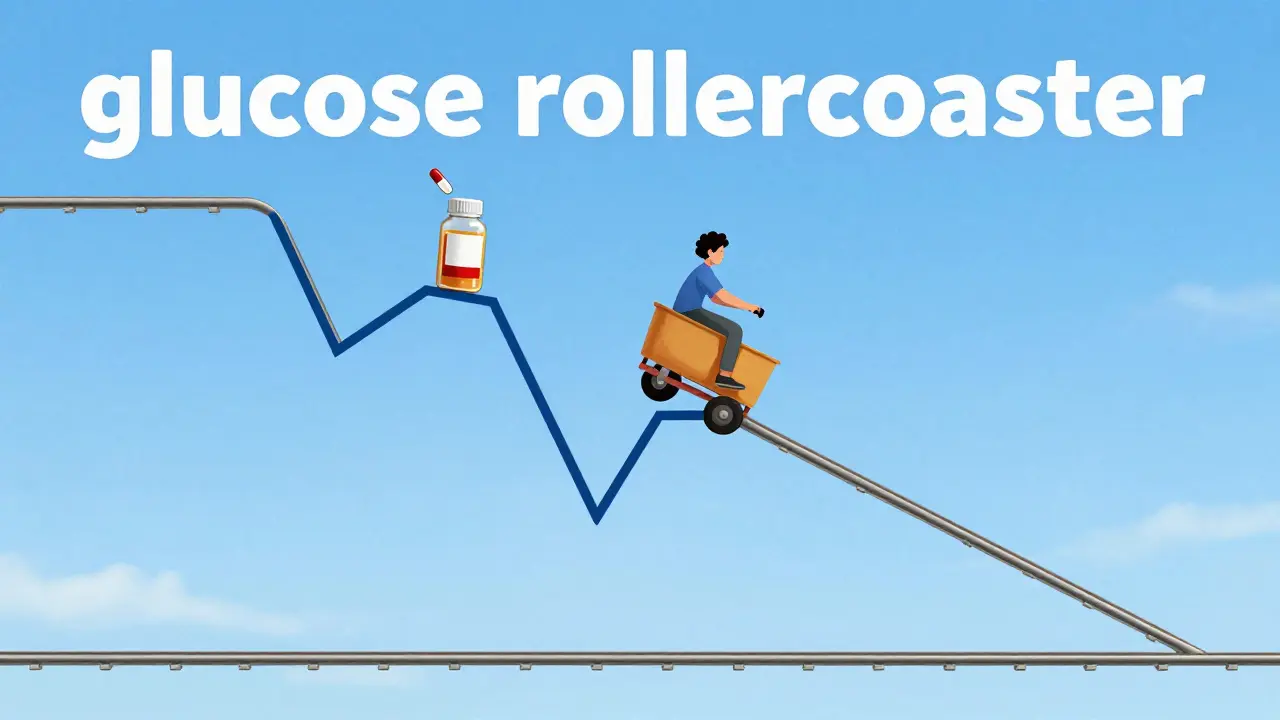
Not all steroids act the same. Some stay in your system for a day, others for three. To keep your glucose stable, your insulin's duration needs to mirror the steroid's duration. If the timing is off, you'll end up with "rollercoaster" glucose levels-spikes and crashes throughout the day.
| Steroid Entity | Typical Half-Life | Recommended Insulin Match | Dosing Strategy |
|---|---|---|---|
| Prednisone | 18-36 hours | NPH Insulin | Morning dose to match peak effect |
| Dexamethasone | 36-72 hours | Long-acting analogues (Glargine/Detemir) | Consistent basal coverage for prolonged effect |
For those using insulin pumps, the approach is slightly different. Research shows that temporary basal rate increases of 25% to 50% are often necessary during the peak effect of the steroid. However, the key is monitoring; what worked on day three might be too much by day ten as your body adjusts.
Step-by-Step Medication Adjustments
If you're starting a steroid regimen, don't wait for your sugars to hit the ceiling before acting. Use these evidence-based titration strategies:
- Baseline Assessment: Check your fasting glucose. If it's consistently above 11.1 mmol/L (200 mg/dL) for two or three days, it's time to increase your basal insulin.
- Initial Insulin Boost: For those newly requiring insulin due to steroids, a starting dose of 0.1 IU per kilogram of body weight at the time of steroid administration is a common clinical starting point.
- Tuning the Dose: Increase basal insulin by 10-20% if hyperglycemia persists. For people with existing Type 1 diabetes, dose increases of 30-50% are often needed, while Type 2 patients usually see a 20-30% increase.
- Correction Boluses: Use rapid-acting insulin for spikes. A general rule of thumb is 0.04 IU/kg for values between 11.1-16.7 mmol/L and 0.08 IU/kg for values above 16.7 mmol/L.
- Non-Insulin Options: If the hyperglycemia is mild (fasting glucose under 11.1 mmol/L), medications like Metformin or GLP-1 agonists may be used in outpatient settings, though insulin is the gold standard for inpatient care.
The Danger Zone: Steroid Tapering
The most dangerous part of steroid therapy isn't the high sugar-it's the drop. As you taper off steroids, your insulin resistance disappears. If you keep your "steroid-level" insulin doses, you will crash. This is where the most common clinical errors occur, leading to preventable hypoglycemia in nearly 40% of cases.
The goal here is "glucovigilance." Your medications must be reduced in tandem with your steroid dose. For example, if you're cutting your prednisone dose by half, you likely need to scale back your additional insulin shortly after. Note that the hyperglycemic effect usually vanishes 3 to 4 days after the steroid is completely stopped or significantly reduced.
Be especially cautious if you are using Sulfonylureas. These drugs can cause delayed hypoglycemia during the tapering phase. Data suggests that patients on sulfonylureas are significantly more likely to end up in the emergency department for low blood sugar compared to those on insulin-only regimens.
Monitoring and Practical Tips
You cannot manage this condition with once-a-day finger pricks. To stay safe, you need a high-frequency monitoring plan. Capillary blood glucose (CBG) should be checked at least four times daily: before each meal and at bedtime.
If possible, use Continuous Glucose Monitoring (CGM). Aim for a "time in range" (TIR) between 3.9 and 10.0 mmol/L (70-180 mg/dL). A CGM is particularly valuable during the tapering phase, as it can catch a plummeting glucose level before you feel the symptoms of a "hypo."
One pro tip for patients: keep a log of exactly how many extra units of insulin you needed for a previous course of the same steroid. If you needed 20 extra units last time, don't jump straight back to 20. Start with about half-maybe 10 units-and titrate up slowly. Your body's reaction can change from one course to the next.
When does the blood sugar spike actually start?
The rise in blood glucose typically begins 4 to 8 hours after you take your steroid dose, reaches its peak at around 24 hours, and usually subsides within 3 to 4 days after you stop the medication.
Can I use Metformin instead of insulin for steroid spikes?
For mild hyperglycemia where fasting glucose remains under 11.1 mmol/L, non-insulin agents like Metformin, DPP-4 inhibitors, or GLP-1 agonists can be effective for outpatient management. However, for moderate to severe spikes or hospital stays, insulin is the preferred treatment.
Why is tapering off steroids so dangerous for diabetics?
Steroids cause insulin resistance. When you lower the steroid dose, your body suddenly becomes more sensitive to insulin again. If you don't reduce your diabetes medication at the same rate, you can experience severe hypoglycemia.
How often should I check my glucose while on steroids?
You should check your glucose at least four times a day (before meals and at bedtime). If you are changing your doses or experiencing high levels, you may need to check every 2 to 4 hours.
Is the insulin dose increase the same for Type 1 and Type 2 diabetes?
No. Typically, people with Type 1 diabetes require a larger increase in insulin-often 30-50%-whereas those with Type 2 diabetes generally need an increase of 20-30% to maintain stable levels during steroid therapy.
Next Steps for Your Care Plan
If you are about to start steroids, schedule a "medication review" with your endocrinologist specifically for the tapering phase. Don't just assume the dose you used while on the steroid will be the dose you need as you come off them. If you're using an insulin pump, set a temporary basal rate and check your CGM every few hours during the first 48 hours of therapy. If you notice a sudden drop in sugar during your taper, contact your care team immediately to adjust your dosages downward.