
Laser Treatment: What It Is, How It Works, and What It’s Used For
When you hear laser treatment, a medical procedure that uses concentrated beams of light to target specific tissues in the body. Also known as laser therapy, it’s not just for cosmetic fixes—it’s a precise tool used in eye care, dermatology, pain management, and even surgery. Unlike surgery that cuts, lasers work by heating, vaporizing, or stimulating tissue without touching it. That’s why it’s used for everything from removing tattoos to correcting vision.
Laser eye surgery, like LASIK or PRK, reshapes the cornea to fix nearsightedness, farsightedness, or astigmatism. Millions get it every year because it reduces or eliminates the need for glasses. Then there’s laser skin procedures, used to treat acne scars, wrinkles, sun damage, and unwanted hair. These aren’t all the same—some lasers target pigment, others heat collagen to tighten skin, and some blast away layers of damaged skin entirely. The right one depends on your skin type, concern, and recovery time you can handle.
It’s not just about looks. Medical lasers, including those used in cancer treatment and nerve pain relief. are helping patients with chronic conditions. For example, low-level laser therapy is used for arthritis and tendonitis to reduce inflammation without drugs. In dermatology, lasers treat vascular lesions like spider veins and port-wine stains. Even in dentistry, they’re replacing drills for some cavity prep work.
But not all lasers are created equal. A pulsed dye laser won’t fix your glaucoma. A CO2 laser won’t remove your freckles safely if you have dark skin. The device, wavelength, pulse duration, and operator skill all matter. That’s why some treatments are done in a doctor’s office, others in a hospital, and why some require multiple sessions while others work in minutes.
What you won’t find in ads is how often laser treatment fails—or causes side effects like scarring, pigment changes, or even burns if done wrong. That’s why knowing your provider’s experience matters more than the brand name on the machine. It’s not magic. It’s science with real risks and real rewards.
Below, you’ll find real-world breakdowns of how lasers are used in medicine—from the most common procedures to the ones doctors wish more patients knew about. No fluff. Just what works, what doesn’t, and what you should ask before saying yes.
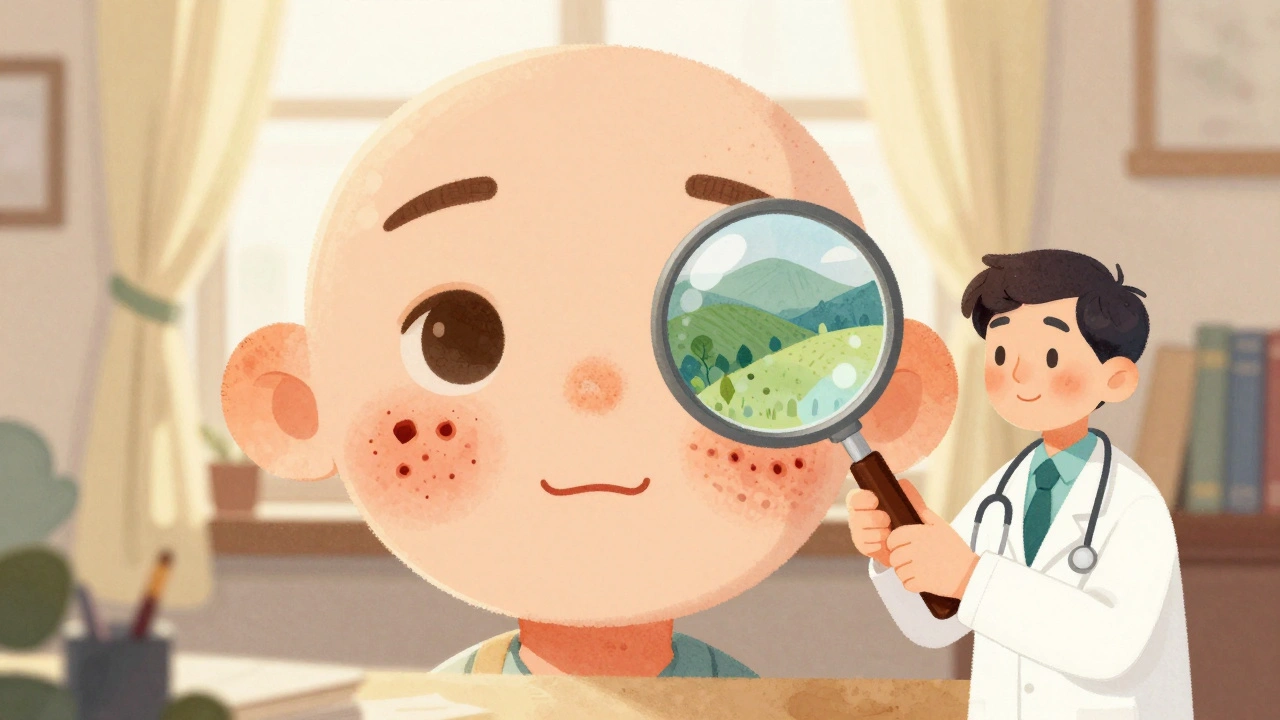
Acne Scars: Microneedling, Lasers, and Topical Strategies That Actually Work
- Beata Staszkow
- |
- |
- 14
Learn how microneedling, lasers, and topical treatments actually work for acne scars. Discover which method suits your scar type, skin tone, and lifestyle-with real data and expert insights.
View more