
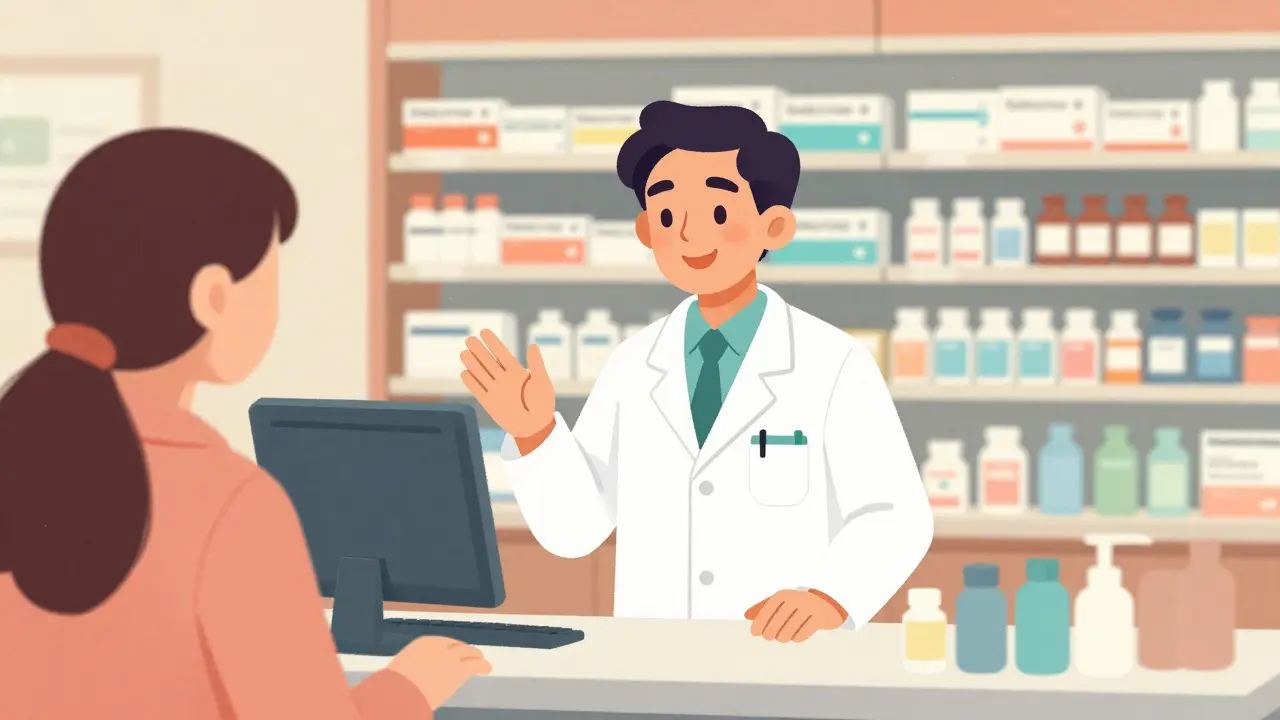
You might think that as long as a doctor prescribed a pill, it's safe to take. But here is a scary reality: in the US alone, about 1.3 million emergency department visits every year are caused by adverse drug events. Many of these happen because two different substances-be it a prescription drug, a herbal tea, or even a piece of cheese-clashed inside the body. Whether you're taking two medications or twelve, the risk is real. The good news is that your pharmacist is the most accessible expert you have to prevent these crashes before they happen.
The Three Types of Interactions You Need to Know
Before you walk up to the pharmacy counter, it helps to understand that interactions aren't just about two pills fighting. Experts generally group them into three categories so you know exactly what to disclose.
- Drug-Drug Interactions: This is the most common. It's when one medication changes the effect of another. For example, some blood pressure meds can interfere with how other drugs are cleared by your kidneys.
- Drug-Food/Beverage Interactions: What you eat and drink matters. A classic example is grapefruit juice, which can block enzymes in the liver, causing some medications to build up to dangerous levels in your blood.
- Drug-Condition Interactions: This happens when a drug is risky because of a health problem you already have. For instance, someone with hypertension should be very careful with over-the-counter decongestants, as they can send blood pressure spiking higher.
Essential Questions for Your Pharmacist
When you're standing at the counter, it's easy to forget the details. Instead of a vague check, use these specific questions to get the answers that actually matter for your safety.
The "Compatibility" Questions
Start with the basics. You want to know if the new addition to your routine plays well with the old ones. Ask: "Can I take this with my current medications?" and "Will this medication interfere with my existing medical conditions?"
Don't just mention prescriptions. If you take a daily multivitamin or a sleep aid from the supermarket, tell them. Many people forget that St. John's wort, a popular herbal supplement for mood, can drastically reduce the effectiveness of other medications by inducing enzymes in the liver that break drugs down too quickly.
The "Lifestyle" Questions
Your diet can be a trigger for a medical emergency. Ask: "Should I avoid certain foods, beverages, or other products while taking this?"
This isn't just about avoiding alcohol. If you are taking certain antidepressants like MAO inhibitors (such as phenelzine), eating aged cheeses or high-tyramine foods can cause a dangerous spike in blood pressure. Similarly, if you're on a blood thinner like warfarin, you'll need to ask how to manage foods rich in Vitamin K, like spinach or kale, because they can counteract the drug's effects.
The "Warning Signs" Questions
Knowing that an interaction is possible is one thing; knowing how it feels is another. Ask: "What are the possible drug interaction signs I should look out for?"
Some interactions happen silently, while others cause immediate symptoms like dizziness, rash, or extreme drowsiness. Knowing these red flags allows you to call the pharmacy or your doctor immediately rather than waiting for your next appointment.
How to Prepare Your "Medication Map"
Your pharmacist is only as good as the information you give them. If you forget to mention a supplement you bought online, they can't warn you about it. To get the most out of your consultation, create a comprehensive list. This is especially critical for those experiencing polypharmacy-the practice of taking five or more medications daily-which is increasingly common for adults over 65.
| Category | Specifics to List | Why it Matters |
|---|---|---|
| Prescriptions | Name, Dose, Frequency | Prevents major drug-drug clashes |
| OTC Meds | Painkillers, Decongestants, Allergy meds | Commonly overlooked but high-risk |
| Supplements | Vitamins, Herbals, Botanicals, Minerals | Can block absorption or cause bleeding |
| Dietary Habits | Grapefruit juice, Alcohol, Aged cheeses | Directly impacts how drugs are metabolized |
The Timing Trick: When and How to Take Your Meds
It's not just about what you take, but when you take it. Some drugs need an empty stomach to be absorbed, while others need fat to work. If you take a drug that blocks absorption and another that requires it, taking them at the same time can render one useless.
Ask your pharmacist: "Should I take these at different times of the day?" or "Does the order of these medications matter?" A simple two-hour gap between two different pills can sometimes be the difference between a successful treatment and a failed one.
When Should You Have a Full Review?
A quick question at the counter is great, but a full medication therapy management review is better. You shouldn't wait until you feel sick to check for interactions. A good rule of thumb is to do a deep-dive review with your pharmacist at least every quarter.
More importantly, do it every single time a new drug is added to your regimen. Often, the "newest" drug is the one that triggers an interaction with something you've been taking safely for years. Don't assume that because your old meds were fine, they'll stay fine when a new chemical enters the mix.
The Role of Modern Technology in Safety
Many pharmacies now use electronic health records that flag potential interactions in real-time. While these tools are helpful, they aren't perfect. Research shows that these automated systems can still miss nearly 20% of clinically significant interactions because they only know what is in your digital file-not what you're taking from a health food store or a different clinic.
This is why your voice is the most important safety tool in the building. No software can replace a patient who says, "I also take a daily dose of St. John's wort," or "I drink two glasses of grapefruit juice every morning." You are the final layer of protection in your own healthcare.
Are all drug interactions dangerous?
Not necessarily. Some interactions are mild and just slightly reduce how well a drug works. However, others can be life-threatening, such as those causing severe bleeding or sudden spikes in blood pressure. Because you can't always tell the difference, any potential interaction should be discussed with a professional.
Can vitamins and minerals cause interactions?
Yes. For example, calcium or iron supplements can bind to certain antibiotics in the stomach, preventing the medication from being absorbed into your bloodstream. This effectively makes the antibiotic useless against your infection.
Why does grapefruit juice cause so many problems?
Grapefruit juice inhibits a specific enzyme (CYP3A4) in your intestines and liver that is responsible for breaking down many medications. When this enzyme is blocked, the drug stays in your system longer and reaches higher concentrations, which can lead to an overdose even if you took the correct dose.
What should I do if I suspect a drug interaction is happening right now?
If you experience sudden, unexpected side effects-like extreme dizziness, swelling, or difficulty breathing-contact your pharmacist or doctor immediately. Do not stop taking a prescribed medication without professional guidance, as some drugs cause dangerous withdrawal symptoms if stopped abruptly.
Do over-the-counter (OTC) drugs count as interactions?
Absolutely. Many people assume OTC drugs are safe because they don't need a prescription. However, a simple decongestant can interact with blood pressure meds, and common painkillers like ibuprofen can interact with blood thinners to increase bleeding risks.
Next Steps for Your Safety
If you're currently taking multiple medications, your next step is simple: print out or write down every single thing you ingest-including that "natural" supplement from the health store. Schedule a 15-minute sit-down with your pharmacist for a full medication review. If you are starting a new drug today, don't leave the pharmacy until you've asked about the food and supplement restrictions specifically. Your health depends on the details.