
Allergen Avoidance: How to Reduce Exposure and Manage Reactions
When you have allergies, your body reacts to harmless substances like pollen, dust, or peanuts as if they’re threats. This reaction—called an allergen, a substance that triggers an immune response in sensitive individuals. Also known as allergy trigger, it can cause everything from a runny nose to life-threatening swelling. The best way to stop these reactions isn’t always medication—it’s allergen avoidance, the practice of reducing or eliminating contact with substances that cause allergic responses. It’s not about curing allergies. It’s about taking back control so you don’t have to live in fear of your own environment.
Common environmental allergens, substances in the air or surroundings that trigger allergic reactions. include dust mites, mold, pet dander, and pollen. But allergens aren’t just outside. They’re in your laundry detergent, your pillow, your kitchen counter. People with food allergies deal with peanuts, shellfish, or dairy hiding in sauces, snacks, and even cosmetics. Avoiding them means reading labels, cleaning differently, and sometimes saying no to social events. It’s not always easy, but it’s effective. Studies show that reducing dust mite exposure can cut asthma attacks by up to 40% in kids. For someone with severe nut allergies, avoidance isn’t a preference—it’s survival.
There’s a difference between avoiding allergens and just hoping they go away. You can’t always control pollen in the air, but you can close windows during high-count days. You can’t remove pet dander from a friend’s house, but you can take an antihistamine before visiting. The key is knowing your triggers and building habits around them. Some people use HEPA filters. Others wash bedding weekly in hot water. Some even switch to fragrance-free products because scents can worsen reactions. These aren’t extreme measures—they’re practical steps backed by real results.
What you’ll find below are real stories and clear guides on how people handle allergens in daily life. From managing pet allergies in multi-pet homes to avoiding hidden allergens in medications and supplements, these posts give you the tools—not just the theory. You’ll learn how to spot sneaky triggers, protect your family, and reduce reliance on meds by changing your environment. This isn’t about perfection. It’s about progress. One less sneeze. One fewer emergency. One more day where you feel like yourself.
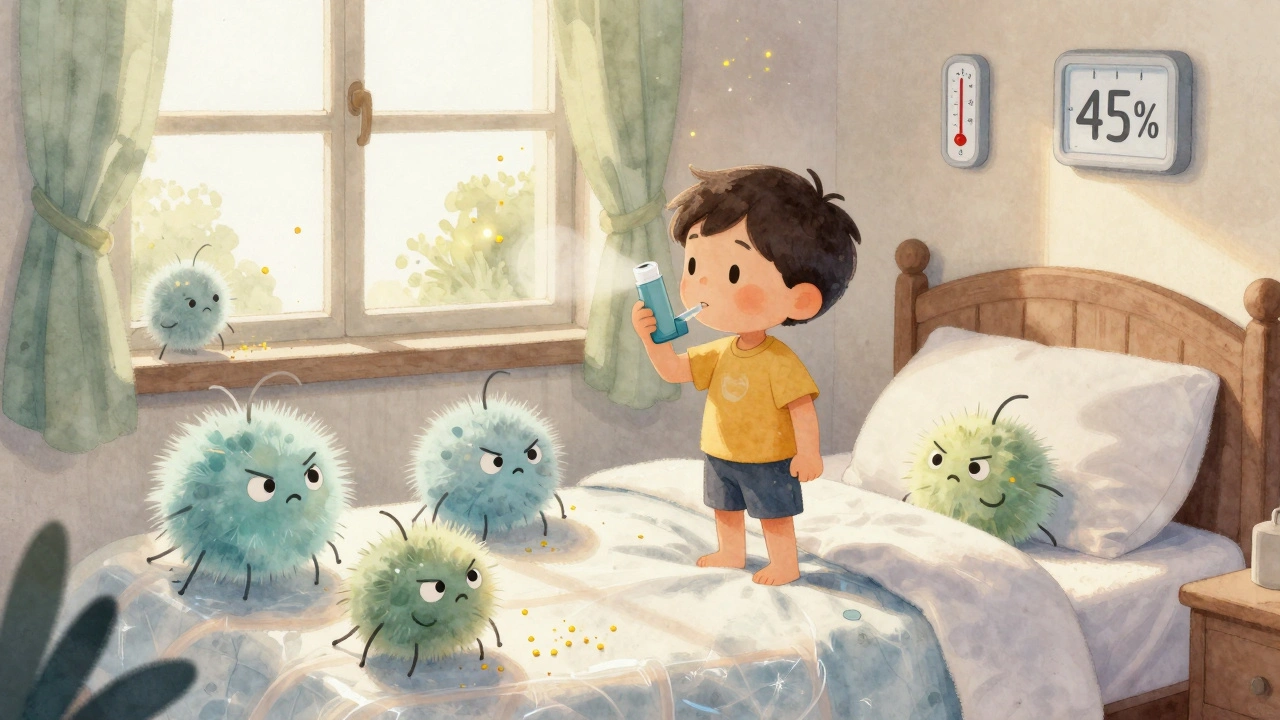
Allergic Asthma: Triggers, Allergen Avoidance, and Immunotherapy
- Beata Staszkow
- |
- |
- 10
Allergic asthma affects millions and is triggered by allergens like pollen, dust mites, and pet dander. Learn how to identify triggers, avoid them effectively, and consider immunotherapy for long-term relief.
View more