
Allergic Asthma Triggers: What Sets Off Symptoms and How to Avoid Them
When you have allergic asthma, a type of asthma triggered by allergens that cause airway inflammation and breathing difficulties. Also known as atopic asthma, it’s not just about feeling wheezy—it’s your immune system overreacting to things most people ignore. Unlike non-allergic asthma, which can be sparked by cold air or stress, allergic asthma flares when your body mistakes harmless stuff like pollen or dust mites for invaders. That’s when your airways swell, tighten, and produce extra mucus—making it hard to breathe.
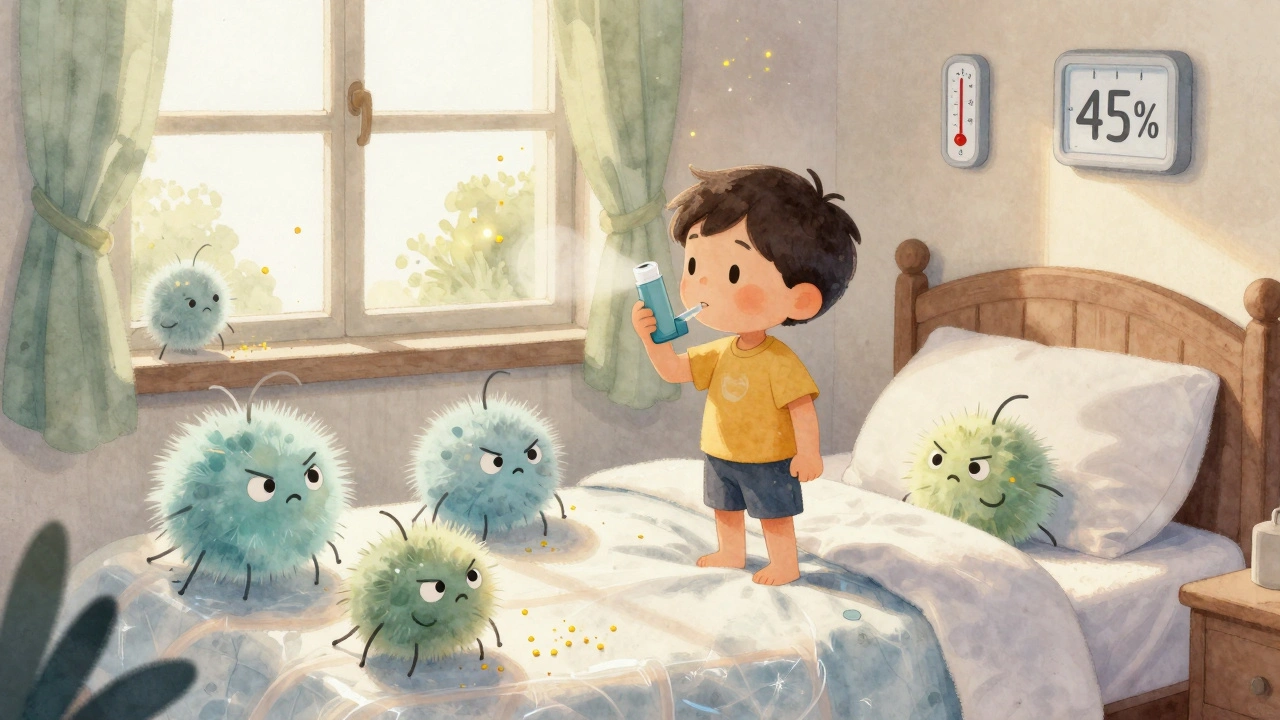
Common allergens, substances that trigger immune responses in sensitive people include pollen from trees, grasses, and weeds; dust mites living in bedding and carpets; mold spores in damp areas; pet dander from cats and dogs; and cockroach waste. These aren’t just outdoor problems. Many people don’t realize their bedroom is a hotspot—dust mites thrive in pillows, mattresses, and stuffed animals. Even cleaning products, perfumes, or cigarette smoke can act as irritants that worsen symptoms, even if they’re not true allergens.
What makes allergic asthma tricky is that triggers aren’t always obvious. One person reacts to ragweed; another gets wheezy after using a new laundry detergent. Weather changes, humidity, and even strong odors can tip the scale. And if you’re also dealing with other conditions like eczema or hay fever, your risk goes up. The good news? You don’t need to live in a bubble. Simple steps like using HEPA filters, washing bedding weekly in hot water, keeping pets out of the bedroom, and sealing cracks to block pollen can make a real difference. Tracking your symptoms with a journal helps spot patterns—like whether your breathing gets worse every Saturday after mowing the lawn.
Many people think asthma is just about inhalers, but avoiding triggers is just as important as taking medication. It’s not about being perfect—it’s about reducing exposure enough to stay in control. If you’ve ever woken up gasping after a night of sneezing, or had to cut a walk short because your chest tightened, you know how disruptive this can be. The good news is, understanding your personal triggers gives you power. You can plan ahead, adjust your environment, and talk to your doctor about testing to confirm what’s really setting you off.
Below, you’ll find real-world guides on how medications, environmental factors, and daily habits connect to asthma control. From how certain drugs interact with allergy meds to how indoor air quality affects flare-ups, these posts give you the practical info you need—not theory, not fluff. No one tells you how to live with this unless you dig deep. Here, you’ll find what actually works.
Allergic Asthma: Triggers, Allergen Avoidance, and Immunotherapy
- Beata Staszkow
- |
- |
- 10
Allergic asthma affects millions and is triggered by allergens like pollen, dust mites, and pet dander. Learn how to identify triggers, avoid them effectively, and consider immunotherapy for long-term relief.
View more