
Allergic Reaction: Triggers, Treatments, and What You Need to Know
When your body overreacts to something harmless—like pollen, peanuts, or pet dander—you’re experiencing an allergic reaction, an immune system response to a substance it wrongly sees as dangerous. Also known as hypersensitivity reaction, it’s not just a sneeze or a rash. It’s your body sounding an alarm, sometimes with life-threatening force. This isn’t rare. Millions deal with it daily, and the triggers are everywhere: dust mites in your bed, mold in the bathroom, insect stings, even some medications.
The most common signs are itchy skin, hives, runny nose, and watery eyes. But when the reaction goes deeper, it becomes anaphylaxis, a sudden, severe allergic response that can shut down breathing and blood pressure. That’s when you need an EpiPen, fast. Less obvious but just as real are reactions tied to food or drugs that build up over time—like swelling after taking a new antibiotic, or worsening asthma from exposure to mold. These aren’t just inconveniences. They’re signals your immune system is stuck in overdrive.
Managing this isn’t just about avoiding the trigger. It’s about understanding how your body responds. allergen avoidance, the practice of identifying and eliminating exposure to substances that cause reactions is step one. That means reading labels, cleaning your home, or switching to fragrance-free products. But for some, avoidance isn’t enough. That’s where immunotherapy, a long-term treatment that trains your immune system to tolerate allergens comes in. Allergy shots or under-the-tongue tablets can reduce or even eliminate reactions over time. It’s not magic—it’s science, and it works for many.
What you’ll find below are real, practical guides on how allergic reactions show up in different situations. From how pollen triggers asthma to why certain drugs cause rashes, these posts cut through the noise. You’ll learn how to spot early warning signs, what treatments are backed by evidence, and how to protect yourself or someone you care about. No guesswork. No hype. Just what you need to stay safe and in control.
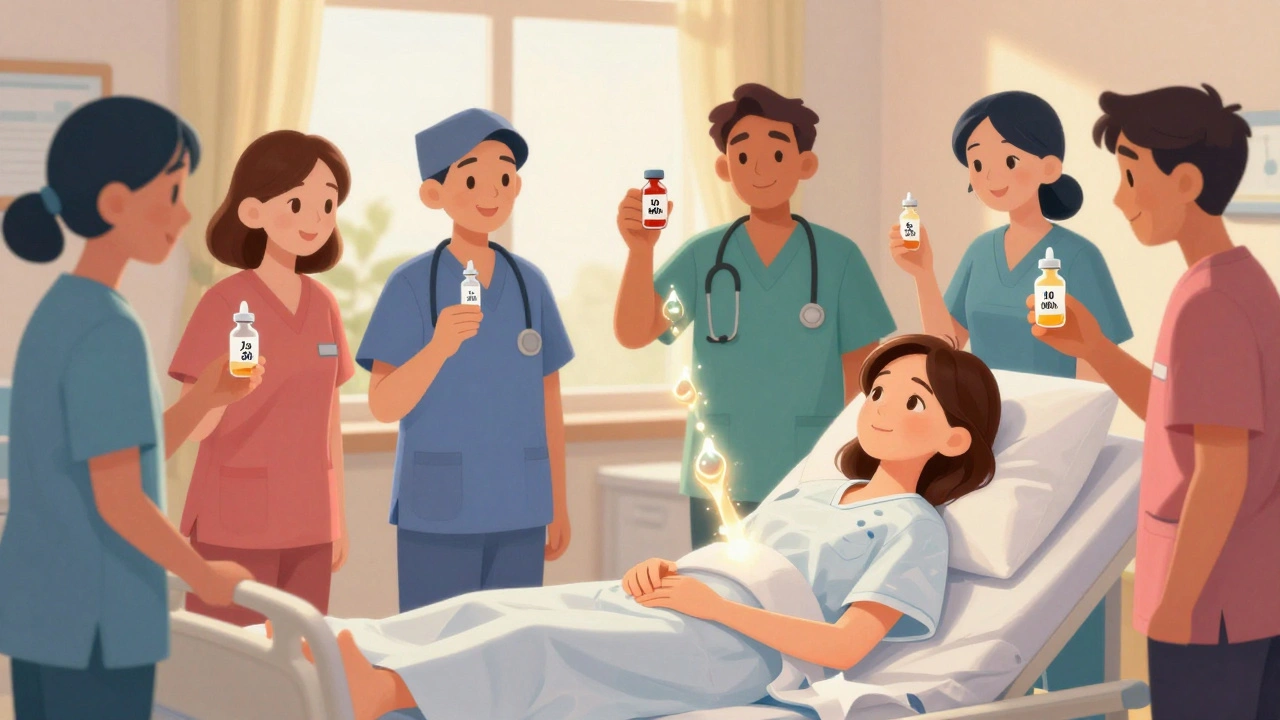
How to Re-Challenge or Desensitize After a Drug Allergy Under Supervision
- Beata Staszkow
- |
- |
- 11
Drug desensitization allows people with serious drug allergies to safely receive essential medications under medical supervision. Learn how it works, who qualifies, and why it’s a life-saving option when no alternatives exist.
View more