
Bone Disease: Causes, Treatments, and Medications That Affect Your Skeleton
When we talk about bone disease, a group of conditions that weaken or damage the skeletal system, often leading to fractures, pain, or deformity. Also known as skeletal disorder, it includes everything from osteoporosis to Paget’s disease—and it’s not just something that happens to older people. Many cases are silent until a bone breaks, but the roots often go back to what you’re taking, what you’re not eating, or another health condition you didn’t realize was connected.
Osteoporosis, a type of bone disease where bones become porous and fragile. Also known as brittle bone disease, it’s the most common form and affects over 10 million Americans. It’s not just about calcium. Long-term use of certain medications like corticosteroids, proton pump inhibitors, and even some antidepressants can speed up bone loss. And here’s the catch: calcium deficiency, a major contributor to poor bone density. Also known as hypocalcemia, it often goes unnoticed until a fracture happens. You can take calcium pills every day, but if your body can’t absorb it—because of low vitamin D, kidney issues, or gut problems—it won’t help.
Some bone pain, a symptom of underlying bone disease, not a diagnosis itself. Also known as skeletal pain, it can come from cancer spreading to bone, infections, or even long-term use of drugs like Avandia, which studies show increases fracture risk in women. That’s why you’ll find posts here on how diabetes meds like rosiglitazone impact bone health, or how diuretics can drain minerals your bones need. Even drugs meant to help—like certain anti-nausea meds—can interfere with bone metabolism by messing with vitamin D or hormone balance.
What you’ll find in these posts isn’t theory—it’s real-world connections. Someone with Parkinson’s might be taking metoclopramide, which has nothing to do with bones… until you learn it can lower estrogen and worsen bone loss. Or someone on long-term steroids for asthma might not know their spine is slowly crumbling. These aren’t random articles—they’re pieces of a puzzle you didn’t know you were missing.
Whether you’re managing a diagnosis, worried about side effects from your meds, or just trying to understand why your bones hurt, this collection gives you the straight facts—no fluff, no hype. You’ll learn what actually works, what to avoid, and how to talk to your doctor about protecting your skeleton—not just treating symptoms.
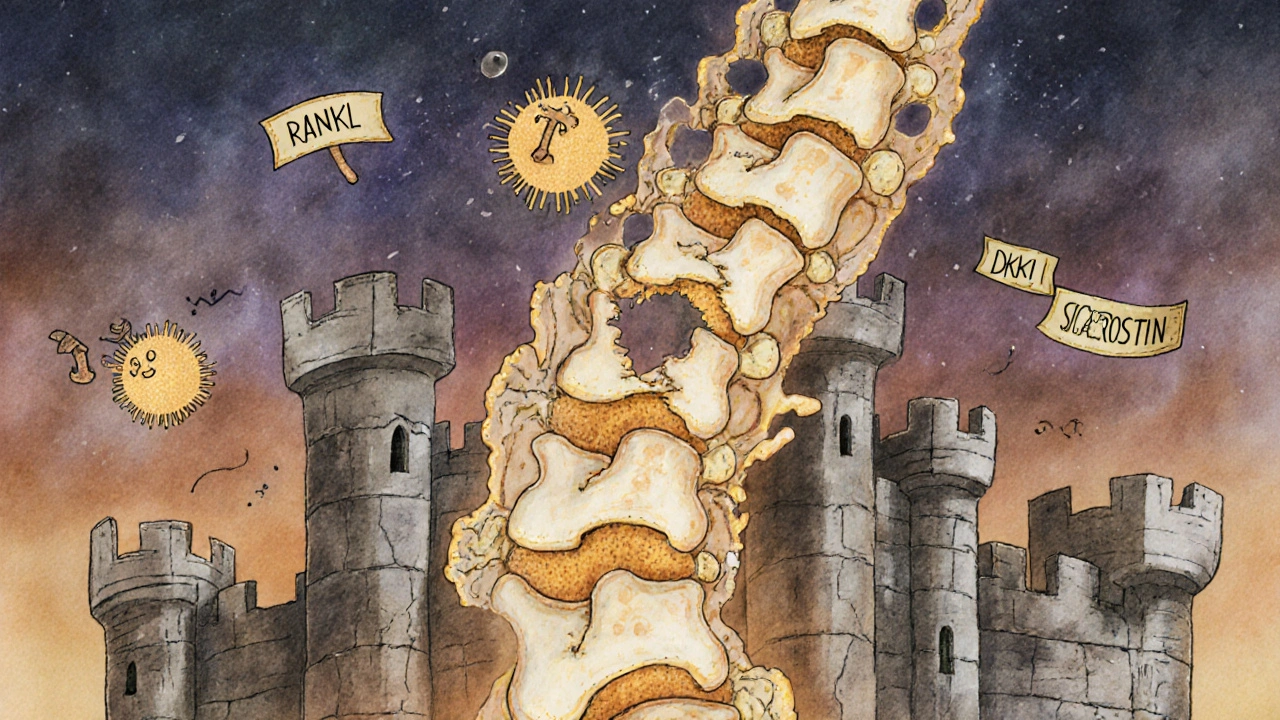
Multiple Myeloma: Understanding Bone Disease and the New Treatments Changing Outcomes
- Beata Staszkow
- |
- |
- 8
Multiple myeloma causes severe bone damage in over 80% of patients. Learn how new drugs are moving beyond slowing bone loss to actually healing lesions, reducing fractures, and improving quality of life.
View more