
Diabetes Medication: What Works, What to Avoid, and What You Need to Know
When you’re managing diabetes medication, drugs used to control blood sugar in people with type 1 or type 2 diabetes. Also known as antihyperglycemic agents, these medications don’t cure diabetes—but they can keep you out of the hospital and feeling like yourself. The landscape has changed a lot in the last decade. Back in the 2000s, if you had type 2 diabetes, your doctor likely started you on Avandia or maybe metformin. Today? Avandia is rarely used because of heart and bone risks. Metformin is still the first choice for most—but it’s no longer the only one.
Today’s best options aren’t just about lowering blood sugar. They’re designed to protect your heart, help you lose weight, and even reduce kidney damage. That’s why doctors now turn to SGLT2 inhibitors, a class of drugs that make your kidneys flush out extra sugar through urine and GLP-1 agonists, injections that slow digestion, reduce appetite, and boost insulin when needed. These aren’t just alternatives—they’re upgrades. One study showed people on GLP-1 agonists had 20% fewer heart attacks and strokes compared to older drugs. And unlike insulin, they rarely cause dangerous low blood sugar.
But not all diabetes meds are created equal. Some, like sulfonylureas, push your pancreas to make more insulin—but they can lead to weight gain and crashes. Others, like thiazolidinediones, might help with insulin resistance but come with fluid retention and bone fracture risks. That’s why knowing what’s on the table matters. You’re not just picking a pill—you’re choosing a strategy. And if you’re on metformin and still struggling with weight or blood sugar spikes, there’s a good chance a newer option could help without adding side effects.
What you’ll find below are real, practical breakdowns of the most talked-about diabetes treatments—what they do, who they help, and which ones to avoid. You’ll see why Avandia faded out, how SGLT2 inhibitors changed the game, and why GLP-1 agonists are now the talk of every endocrinologist’s office. You’ll also find warnings about drug interactions, cost traps, and the hidden risks of older drugs still hanging around in prescriptions. This isn’t theory. It’s what people are actually using—and what’s working right now in clinics across the country.
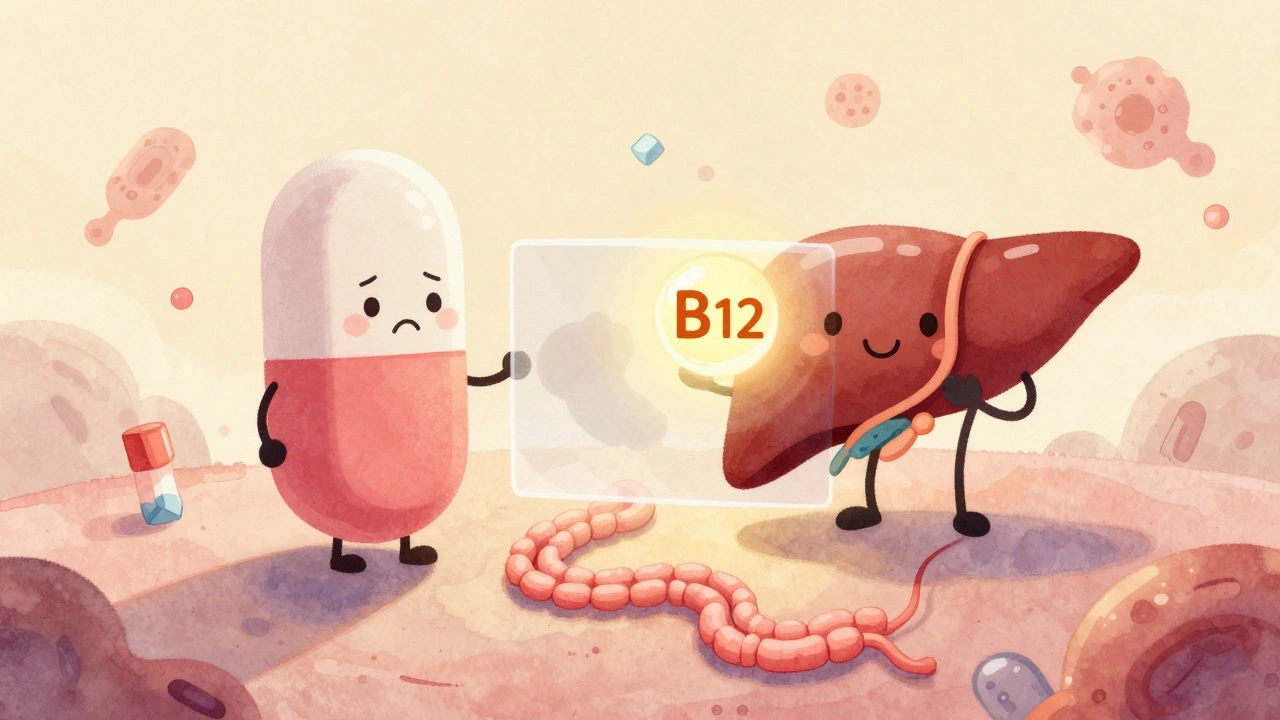
Metformin and Vitamin B12 Deficiency: What You Need to Know About Long-Term Risks
- Keith Ashcroft
- |
- |
- 12
Long-term metformin use can cause vitamin B12 deficiency, leading to nerve damage, fatigue, and confusion. Learn the symptoms, who's at risk, and how to prevent irreversible complications with simple blood tests and supplements.
View more