
Double Check Protocol: Why It Saves Lives in Medication Safety
When it comes to medications, one wrong dose can change everything. That’s why the double check protocol, a standardized process where two trained professionals independently verify a medication before it’s given to a patient. Also known as two-person verification, it’s not just a rule—it’s the last line of defense against deadly errors. This isn’t about bureaucracy. It’s about making sure the right drug, in the right dose, goes to the right person. And it works. A 2022 study in the Journal of Patient Safety found that hospitals using a strict double check protocol cut medication errors by nearly 40%—especially for high-risk drugs like insulin, opioids, and chemotherapy.
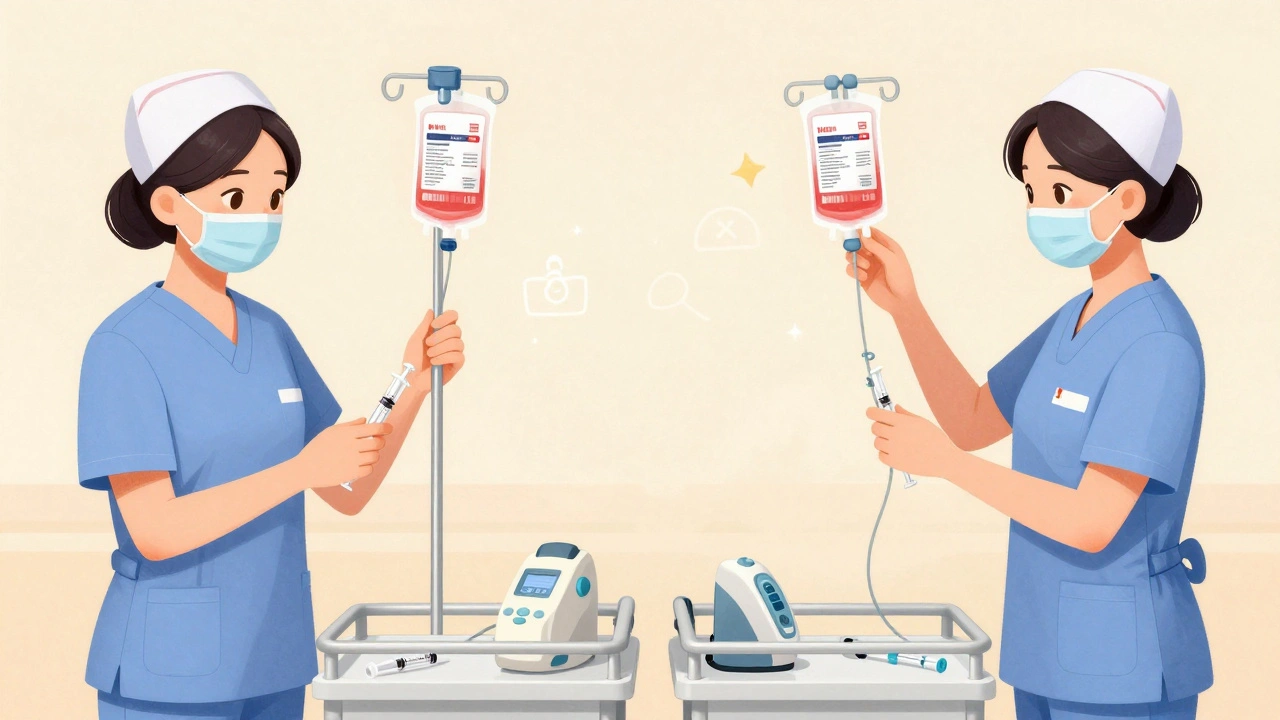
The pharmacy safety, the system of procedures and safeguards designed to prevent medication mistakes in clinical settings relies on this step more than most people realize. Nurses, pharmacists, and even techs in nursing homes use it when preparing high-alert medications. But it’s not just about signing a form. A true double check means two people look at the label, the patient’s name, the dose, the route, and the timing—each one independently. One person reads aloud; the other confirms silently. No shortcuts. No assumptions. This is how you catch a 100mg dose when it should be 10mg, or a drug that clashes with another the patient is already taking.
And it’s not just hospitals. Even in community pharmacies, where pharmacists are rushed and understaffed, the drug verification, the process of confirming medication accuracy before dispensing to a patient is becoming standard for high-risk prescriptions. Think insulin pens, blood thinners, or pediatric doses. The healthcare errors, preventable mistakes in treatment that cause harm to patients that get reported in the news? Most of them happened because someone skipped the double check—or assumed someone else did it.
What you’ll find in the posts below isn’t just theory. These are real stories from the front lines: how a nurse caught a wrong dose before it was given, how a pharmacist spotted a dangerous interaction no one else saw, and why some facilities still don’t enforce this rule—even though it’s been proven to save lives. You’ll also see how state laws, hospital policies, and even pharmacy software are trying to make the double check protocol harder to ignore. This isn’t about blame. It’s about building systems so strong that human error can’t slip through. And if you’re taking meds, caring for someone who is, or work in healthcare—you need to know how this works, and why you should never let it be skipped.
How to Identify High-Alert Medications Requiring Double Checks in Healthcare
- Beata Staszkow
- |
- |
- 9
Learn how to identify high-alert medications that require independent double checks in healthcare settings. Understand which drugs are most dangerous, how to perform a true double check, and why proper implementation saves lives.
View more