
Dust Mite Allergy: Symptoms, Triggers, and How to Fight Back
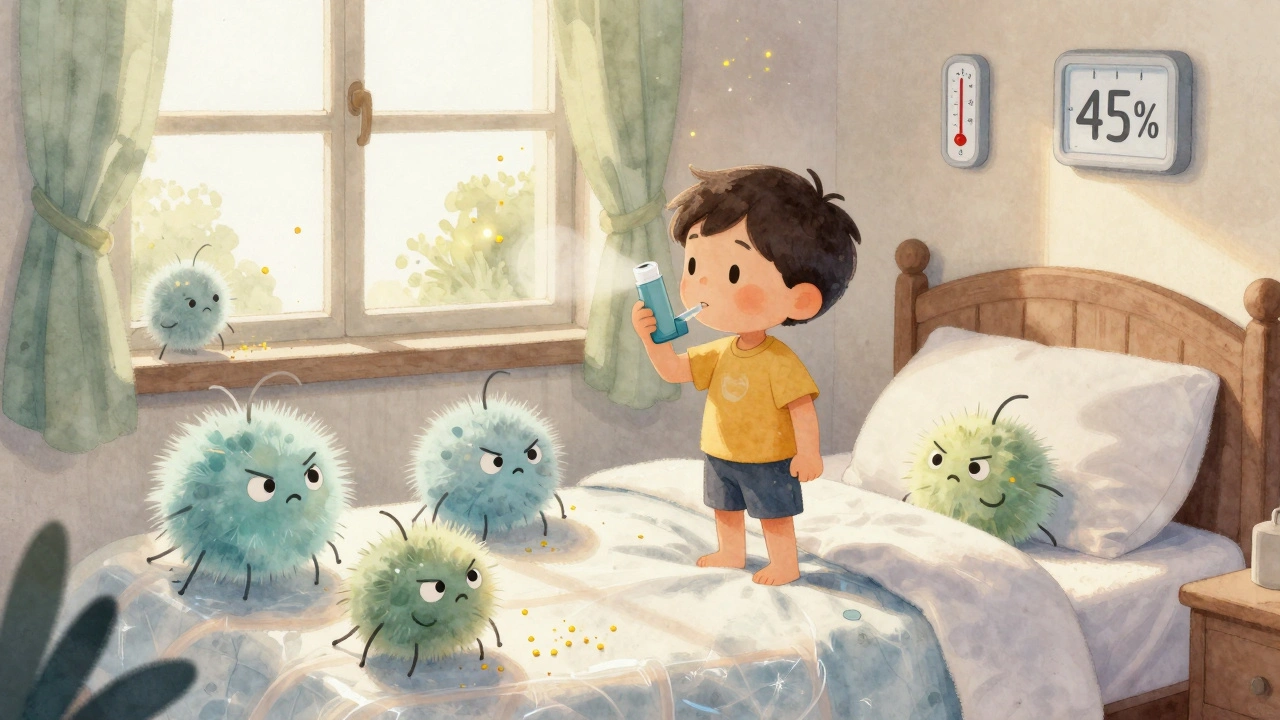
When you’re constantly sneezing, itchy, or struggling to breathe at night, dust mite allergy, an immune reaction to tiny bugs living in your bedding, carpets, and furniture. Also known as household allergy, it’s one of the most common year-round triggers for asthma and allergic rhinitis. Unlike pollen that comes and goes with the seasons, dust mites are always there—hidden in your pillow, couch, and even your stuffed animals. They don’t bite or spread disease, but their waste particles float in the air and set off reactions in sensitive people.
Dust mite allergy isn’t just about sniffles. It can lead to chronic congestion, wheezing, and disrupted sleep—especially if your bedroom isn’t controlled. These mites thrive in warm, humid places above 70% humidity, feeding on dead skin flakes you shed every night. Your mattress? A single one can hold millions. Your carpet? A breeding ground. Even your curtains and upholstered chairs are part of the problem. And because you spend so much time in bed, symptoms often get worse at night or right after you wake up.
People often mistake dust mite allergy for a cold or sinus infection because the symptoms overlap: runny nose, itchy eyes, coughing, and post-nasal drip. But if you’ve had these symptoms for months—not weeks—and they don’t improve with cold medicine, it’s probably not a virus. It’s your home. The good news? You don’t need expensive gadgets or extreme cleaning. Simple, proven steps like washing bedding weekly in hot water, using allergen-proof covers on mattresses and pillows, and keeping indoor humidity below 50% can cut exposure by over 80%. Air purifiers with HEPA filters help too, especially in bedrooms. And if symptoms persist, allergy shots or nasal sprays can retrain your immune system over time.
What you’ll find below isn’t a list of random tips. These articles cover real-world solutions—from how allergens interact with medications like antihistamines, to why some people react more strongly than others, and how hidden triggers in your home might be making things worse. Whether you’re dealing with nighttime wheezing, itchy eyes that won’t quit, or wondering if your air filter is actually doing anything, you’ll find clear, no-fluff answers here.
Allergic Asthma: Triggers, Allergen Avoidance, and Immunotherapy
- Beata Staszkow
- |
- |
- 10
Allergic asthma affects millions and is triggered by allergens like pollen, dust mites, and pet dander. Learn how to identify triggers, avoid them effectively, and consider immunotherapy for long-term relief.
View more