
Generic vs Brand Name Drugs: What You Really Need to Know
When you pick up a prescription, you might see two options: a familiar brand name like Brand Name Drugs, Pharmaceutical products sold under a proprietary name by the original manufacturer or a plain label with the chemical name like Generic Drugs, Medications that contain the same active ingredient as a brand-name drug but are sold after the patent expires. The big question isn’t whether they’re the same—it’s why one costs 80% less and whether you can trust it. The truth? They’re chemically identical. The FDA requires generics to deliver the same effect, in the same amount, as the brand. The difference isn’t in the medicine—it’s in the packaging, the marketing, and who’s paying for it.
So why do some doctors still write brand names? Sometimes it’s habit. Sometimes it’s pressure from reps. But more often, it’s because your insurance Formulary Coverage, A list of drugs approved and preferred by an insurance plan, often organized into tiers based on cost and clinical value pushes you toward the cheaper option. Most insurers put generics in Tier 1—meaning you pay the lowest copay. They don’t do this out of kindness. They do it because it saves billions. And those savings? They help keep premiums lower for everyone. But here’s the catch: not all generics are created equal in how they’re made. The active ingredient? Same. The fillers, dyes, or coating? Sometimes different. That’s why some people notice a change in how a pill feels or how fast it kicks in. It’s rarely a safety issue, but it can be a comfort issue. If your body reacts differently, talk to your pharmacist. They can check if your generic is from a different maker and swap it out.
And what about when your insurance denies coverage? That’s where Generic Substitution, The practice of replacing a brand-name drug with a therapeutically equivalent generic version at the pharmacy level rules come in. Some states let pharmacists swap without asking. Others require the doctor’s okay. If your med gets denied, it’s not because it’s unsafe—it’s because it’s not on the formulary. But you’re not stuck. You can appeal. You can ask for a tier exception. Or you can switch to another generic that’s covered. The system isn’t perfect, but it’s designed to get you the right drug at the right price. You just need to know how to play it.
Below, you’ll find real-world comparisons that cut through the noise. We’ve looked at how insurers pick which generics to cover, how common drugs like Coumadin, Zoloft, and Cialis compare across brands and generics, and what to do when your body doesn’t respond the way you expected. No fluff. No marketing. Just what works, what costs less, and how to make sure you’re not paying more than you have to.
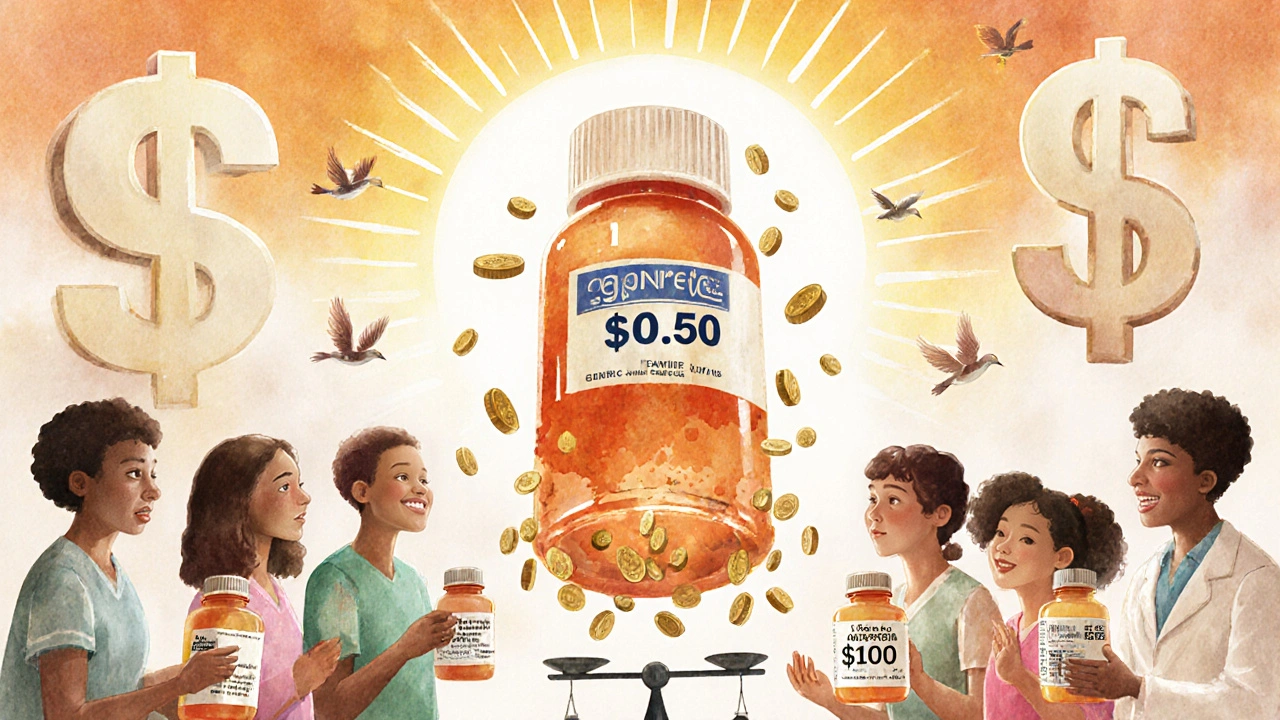
Healthcare System Savings: How Generic Drugs Cut Billions in U.S. Drug Costs
- Keith Ashcroft
- |
- |
- 12
Generic drugs saved the U.S. healthcare system $482 billion in 2024 by making up 90% of prescriptions but only 12% of spending. Biosimilars are the next frontier, with potential to cut $234 billion more - if we act.
View more