
High-Alert Medications: What They Are and Why They Require Extra Care
When you hear high-alert medications, drugs that carry a high risk of causing serious harm if misused. Also known as dangerous drugs, these aren’t just strong—they’re unforgiving when dosed wrong, mixed up, or given to the wrong person. A single mistake with one of these can lead to death, organ failure, or permanent injury. That’s why hospitals, pharmacies, and even home caregivers treat them differently than regular pills or injections.
These drugs aren’t rare. They include insulin, opioids like morphine, blood thinners like heparin, and even common ones like potassium chloride. Each one has its own trap: insulin can crash your blood sugar in minutes, potassium can stop your heart if given too fast, and opioids can slow your breathing to nothing. And it’s not just about the drug itself—it’s about how it’s handled. A misread label, a skipped double-check, or a confusing packaging design can turn a routine dose into a crisis. That’s why medication safety, the system of checks, training, and protocols to prevent drug errors exists. It’s not about being paranoid—it’s about being smart. Pharmacists, nurses, and doctors use special labels, barcodes, and forced pauses before giving these drugs. Even patients need to know the signs of trouble and speak up if something feels off.
These risks don’t just happen in hospitals. At home, older adults on multiple meds, parents giving kids liquid drugs, or people managing chronic pain with opioids are all vulnerable. That’s why medication errors, mistakes in prescribing, dispensing, or taking drugs that lead to harm are one of the leading causes of preventable harm in healthcare. But they’re not inevitable. Simple steps—like keeping a written list of all your meds, using a pill organizer with clear labels, and asking your pharmacist to explain the risks—can cut the danger in half. The posts below dive into real cases where things went wrong, how systems failed, and what actually works to stop it. You’ll find guides on avoiding accidental overdoses, recognizing dangerous interactions, and understanding why some drugs need extra scrutiny. This isn’t theoretical. These are the drugs that keep clinicians up at night. And if you or someone you care for takes any of them, you need to know how to stay safe.
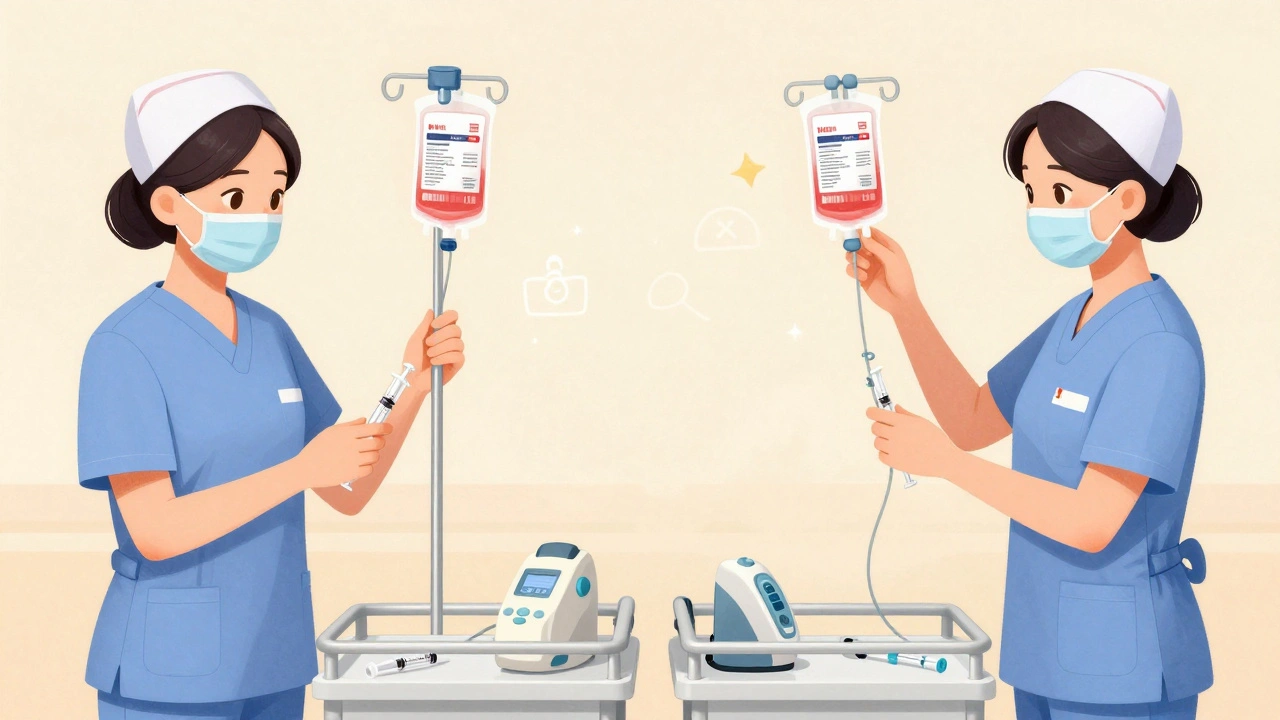
How to Identify High-Alert Medications Requiring Double Checks in Healthcare
- Beata Staszkow
- |
- |
- 9
Learn how to identify high-alert medications that require independent double checks in healthcare settings. Understand which drugs are most dangerous, how to perform a true double check, and why proper implementation saves lives.
View more