
Hypokalemia: Causes, Symptoms, and What You Can Do
When your body doesn’t have enough potassium, a vital mineral that helps nerves and muscles work, keeps your heart beating regularly, and balances fluids. Also known as low potassium, it’s not just a lab number—it’s something that can make you feel drained, shaky, or even heart-raced. Hypokalemia isn’t rare. It shows up in people taking diuretics for high blood pressure, those with chronic diarrhea, or even folks who sweat heavily during workouts and don’t replace what they lose. It’s often overlooked because symptoms creep in slowly—fatigue, muscle cramps, constipation—and get blamed on stress or aging.
What makes hypokalemia tricky is that it rarely happens alone. It’s tied to other conditions like electrolyte imbalance, when sodium, magnesium, or calcium levels also shift, messing up how your cells function. For example, if you’re on a diuretic like hydrochlorothiazide, you might lose potassium and magnesium at the same time. Or if you have uncontrolled diabetes, your body flushes out potassium through urine. Even vomiting or laxative overuse can trigger it. And here’s the thing: low potassium doesn’t just make you feel bad—it can raise your risk of dangerous heart rhythms, especially if you’re on heart meds like digoxin.
Fixing hypokalemia isn’t about popping a potassium pill and calling it a day. It’s about finding the root cause. If it’s from a medication, your doctor might switch you. If it’s from diet, adding bananas, spinach, sweet potatoes, or beans can help. But if you have kidney issues or take certain blood pressure drugs, you can’t just load up on supplements—too much potassium is just as risky as too little. That’s why blood tests matter. A simple blood draw can tell you if your potassium is below 3.5 mEq/L, the normal lower limit. And if you’ve had a recent bout of illness, diarrhea, or started a new pill, that’s your clue to get checked.
The posts below dive into how common drugs, lifestyle habits, and health conditions connect to low potassium. You’ll find real comparisons between treatments, what actually works to restore balance, and which supplements or meds might be making things worse. Whether you’re managing high blood pressure, dealing with gut issues, or just wondering why you’re always tired, these guides cut through the noise and show you what to do next.
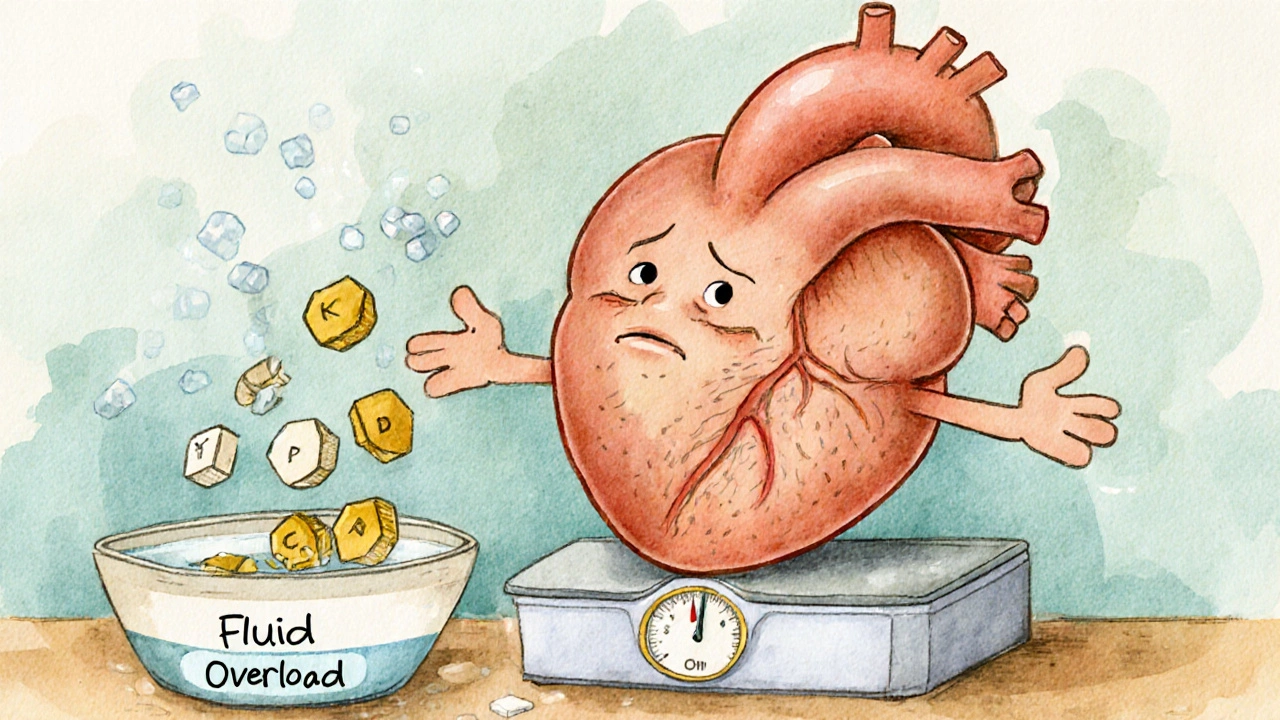
Managing Diuretics and Hypokalemia in Heart Failure Patients: Practical Tips
- Beata Staszkow
- |
- |
- 9
Learn how to safely manage diuretics in heart failure patients while preventing dangerous drops in potassium. Practical tips on medications, monitoring, and diet to reduce hypokalemia risk and improve outcomes.
View more