
Independent Double Check: Why It Matters in Medication Safety
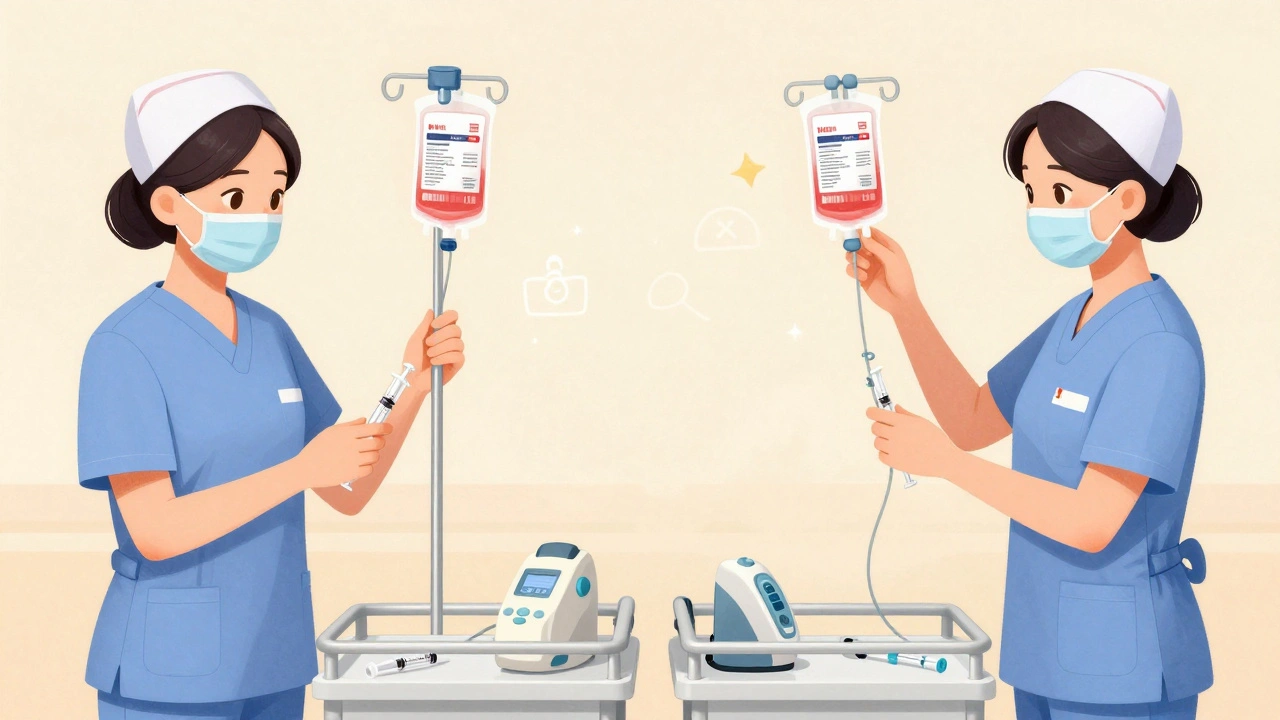
When a pharmacist hands you a prescription, they’re not just counting pills—they’re running a final safety net. This final step is called an independent double check, a mandatory verification process where two trained professionals independently review a prescription before dispensing. Also known as dual verification, it’s not just a formality—it’s the last line of defense against deadly errors like wrong dosages, drug interactions, or mislabeled medications. In hospitals and high-risk settings, this isn’t optional. It’s required by law in many states and by accreditation bodies like The Joint Commission.
The pharmacy verification, the systematic process of confirming a prescription’s accuracy across dosage, patient, and drug happens in two stages: first, the pharmacist or technician prepares the medication; then, a second person—someone who didn’t touch the original task—rechecks every detail. This isn’t about trusting one person more than another. It’s about how the human brain works. We miss things we’ve already seen. A second set of eyes catches what the first missed: a decimal point error in a dose, a look-alike drug like hydralazine and hydroxyzine, or a patient allergic to sulfa who got a sulfonamide antibiotic. The drug errors, preventable mistakes in prescribing, dispensing, or administering medication that slip through without this check are a leading cause of preventable hospital harm. A 2023 study in the Journal of Patient Safety found that over 40% of high-risk medication errors in community pharmacies were caught only because of an independent double check.
This process isn’t just for complex drugs. Even something as simple as amoxicillin can be misread if the handwriting is unclear or the label is faded. It’s why the prescription verification, the formal confirmation that a drug, dose, and patient match the prescriber’s intent step is built into every major pharmacy workflow—from nursing homes to retail chains. The independent double check doesn’t slow things down; it prevents costly, life-threatening delays later. When a child gets the wrong liquid antibiotic dose, or an elderly patient receives two blood thinners that shouldn’t be mixed, it’s often because this step was skipped, rushed, or assumed. The posts below show how this rule plays out in real life: from state laws forcing pharmacists to verify generic substitutions, to how long-acting injectables demand extra scrutiny because side effects can linger for weeks. You’ll see how pediatric overdose prevention relies on double-checking liquid doses, how insulin and anticoagulant errors are nearly always preventable with a second review, and why even the most experienced pharmacists still need this safety net. These aren’t hypotheticals. They’re real cases. And the fix is simple: never trust just one person with a life-or-death decision.
How to Identify High-Alert Medications Requiring Double Checks in Healthcare
- Beata Staszkow
- |
- |
- 9
Learn how to identify high-alert medications that require independent double checks in healthcare settings. Understand which drugs are most dangerous, how to perform a true double check, and why proper implementation saves lives.
View more