
IV Insulin Safety: What You Need to Know About Risks and Best Practices
When IV insulin, a fast-acting form of insulin delivered directly into the bloodstream through an intravenous line. Also known as intravenous insulin, it is used in hospitals to quickly bring high blood sugar under control in emergencies like diabetic ketoacidosis or during surgery. Unlike regular insulin shots, IV insulin works in minutes—not hours—which makes it powerful but also dangerous if not managed carefully. One wrong dose, one missed check, and a patient’s blood sugar can crash dangerously low. That’s why IV insulin safety isn’t just a guideline—it’s a lifesaving protocol.
It’s not just about the insulin itself. The real risks come from how it’s given. Hypoglycemia risk, a sudden, severe drop in blood sugar that can lead to seizures, coma, or death is the biggest threat. Studies show that nearly 1 in 5 patients on IV insulin in intensive care units experience at least one episode of low blood sugar. And it’s not just the dose—timing matters too. Nurses must check blood sugar every 30 to 60 minutes, adjust the drip rate precisely, and document every change. Even small delays can turn a controlled treatment into a crisis. Hospital insulin protocols, standardized systems that dictate how IV insulin is started, monitored, and stopped exist for a reason: they cut errors. But they only work if everyone follows them. That means doctors, nurses, and pharmacists all need to be on the same page.
It’s not just about the ICU either. IV insulin is also used in cardiac units, post-op recovery, and even for patients on steroids or receiving total parenteral nutrition. Each situation changes the rules. A patient with kidney failure? Their insulin clears slower. A patient on a ventilator? Their stress levels fluctuate unpredictably. That’s why one-size-fits-all dosing fails. The best outcomes come from personalized, dynamic dosing based on real-time data—not guesswork. And it’s not just about the numbers. Communication matters. If the nurse who checks the glucose isn’t talking to the pharmacist who prepared the bag, mistakes happen. If the chart doesn’t show the last adjustment, the next shift walks into danger.
What you’ll find in the posts below isn’t a textbook. It’s real-world insight from people who’ve seen what happens when insulin is given right—and when it isn’t. You’ll see how dosing errors are prevented, how monitoring tools have evolved, and why some hospitals still struggle despite having the best guidelines. There’s no fluff here. Just what works, what doesn’t, and what you need to know to stay safe—whether you’re a patient, a caregiver, or a healthcare worker.
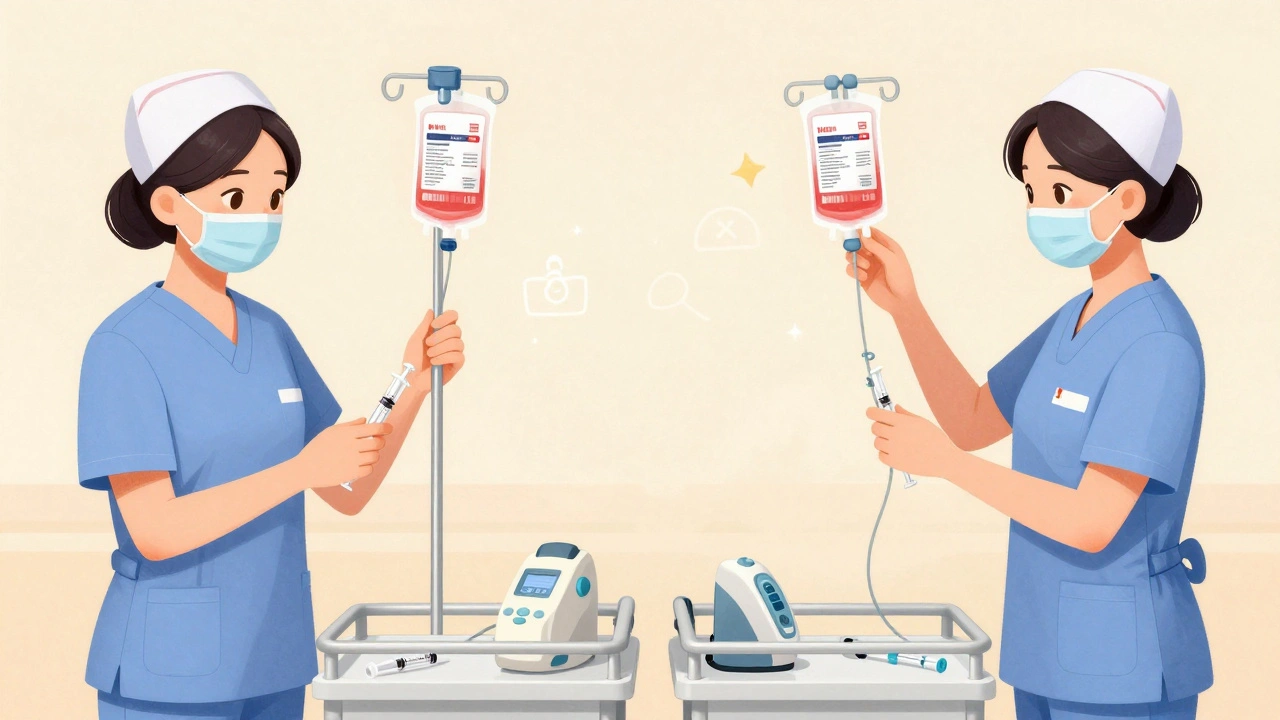
How to Identify High-Alert Medications Requiring Double Checks in Healthcare
- Beata Staszkow
- |
- |
- 9
Learn how to identify high-alert medications that require independent double checks in healthcare settings. Understand which drugs are most dangerous, how to perform a true double check, and why proper implementation saves lives.
View more