
Long-Term Side Effects: What You Need to Know Before Taking Medications for Months or Years
When you start a new medication, you’re usually focused on whether it works—not what might happen six months or two years later. But long-term side effects, harmful reactions that develop after extended use of a drug are real, often silent, and rarely discussed upfront. Many people assume if they feel fine after a few weeks, the drug is safe. That’s not always true. Some side effects build slowly: muscle damage from statins, bone loss from steroids, nerve changes from antidepressants, or organ stress from chronic diuretic use. These aren’t rare outliers—they show up in real patients, often after years of use.
Long-acting injectables, antipsychotic medications given as monthly or quarterly shots improve adherence but demand ongoing monitoring for metabolic issues, movement disorders, and heart rhythm changes. Diuretics, water pills used for high blood pressure and heart failure can drain your potassium over time, leading to dangerous heart rhythms if not tracked. Even something as common as statins, cholesterol-lowering drugs can cause lasting muscle damage in some people, especially if they’re lipophilic and cross into muscle tissue easily. And it’s not just prescription drugs—long-term use of over-the-counter painkillers like NSAIDs can silently damage your kidneys or stomach lining. The risk isn’t about being scared of medication. It’s about being informed. You need to know what to watch for, when to ask for a check-up, and how to spot early signs before things get serious.
What you’ll find below isn’t a list of scary stories. It’s a practical guide to understanding which medications carry hidden risks over time, how to recognize the warning signs, and what steps you can take to protect yourself. From how long-term side effects show up in Parkinson’s patients taking certain anti-nausea drugs, to why nursing home residents on generic meds face coverage gaps that impact their health, these posts cut through the noise. You’ll learn what really happens when you take a drug for years—not just what the brochure says. This isn’t about avoiding treatment. It’s about taking control of your health, one informed decision at a time.
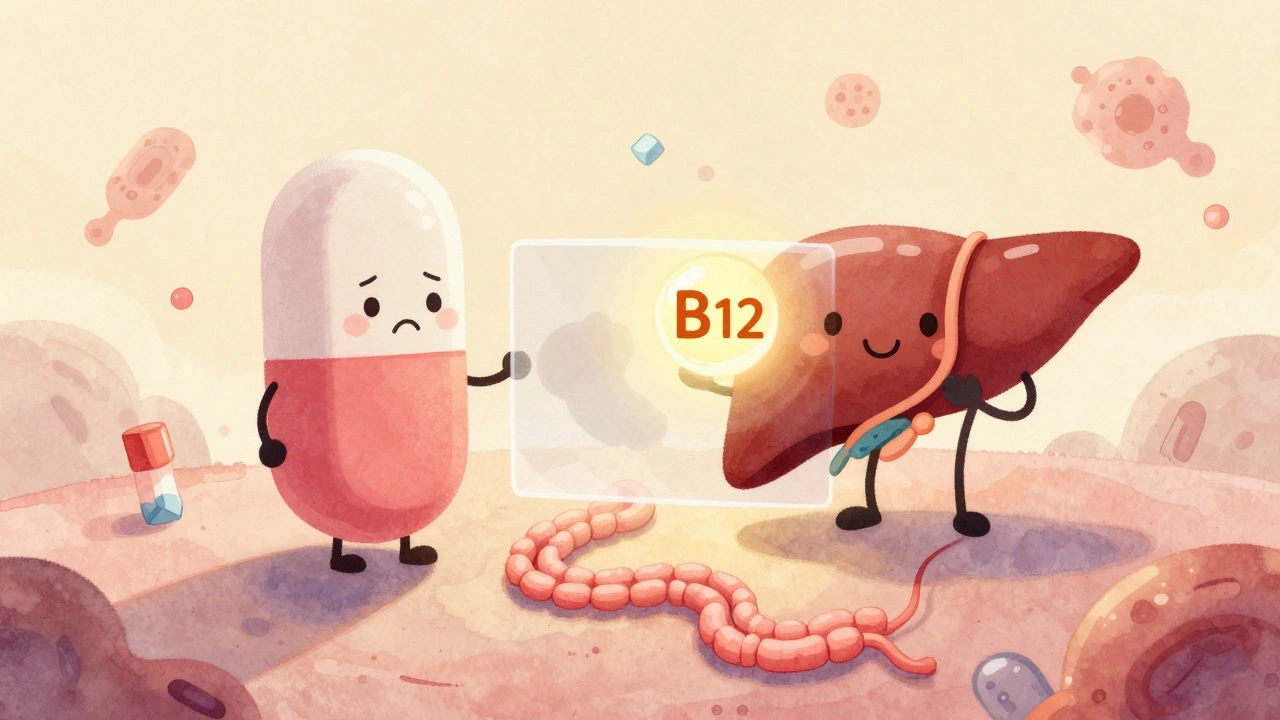
Metformin and Vitamin B12 Deficiency: What You Need to Know About Long-Term Risks
- Keith Ashcroft
- |
- |
- 12
Long-term metformin use can cause vitamin B12 deficiency, leading to nerve damage, fatigue, and confusion. Learn the symptoms, who's at risk, and how to prevent irreversible complications with simple blood tests and supplements.
View more