
Loop Diuretics: How They Work, Who Uses Them, and What Alternatives Exist
When your body holds onto too much fluid—because of heart failure, kidney problems, or high blood pressure—loop diuretics, a class of medications that act on the kidneys to remove excess salt and water. Also known as high-ceiling diuretics, they’re among the most powerful tools doctors have to reduce swelling and ease breathing. Unlike gentle diuretics that slowly nudge out water, loop diuretics hit hard and fast. They work right in the thick of the kidney’s filtering system, the loop of Henle, blocking salt reabsorption so your body flushes out more fluid. That’s why they’re often the first choice when someone is struggling with severe edema or fluid overload.
Three main drugs make up this group: furosemide, the most commonly prescribed loop diuretic, often sold as Lasix, bumetanide, a stronger option used when furosemide isn’t enough, and torsemide, a longer-lasting alternative with fewer daily doses. Each has subtle differences in how long they last, how strong they are, and how they affect potassium levels. But they all share the same risk: pulling out too much potassium, sodium, and magnesium. That’s why doctors often pair them with potassium supplements or combine them with other meds like spironolactone to balance things out.
People on loop diuretics aren’t just managing symptoms—they’re often preventing hospital visits. A patient with worsening heart failure might start on furosemide and feel better within hours. But these drugs aren’t magic. They don’t fix the root cause, just the fluid backup. That’s why they’re often part of a bigger plan: diet changes, blood pressure control, and sometimes other heart meds. And while they’re great for acute situations, long-term use needs careful monitoring. Too much can lead to dizziness, cramps, or even kidney stress. That’s why alternatives like thiazide diuretics or SGLT2 inhibitors are being explored more often, especially for patients with diabetes or chronic kidney disease.
What you’ll find in the posts below is a real-world look at how these drugs fit into everyday care. From how insurers decide which ones to cover, to how they compare with other treatments for conditions like gout, COPD, and hypertension, these articles cut through the noise. You’ll see how patients and doctors weigh the pros and cons—not just of loop diuretics themselves, but of the whole system around them: cost, side effects, alternatives, and real-life outcomes. No theory. No fluff. Just what matters when you’re trying to feel better.
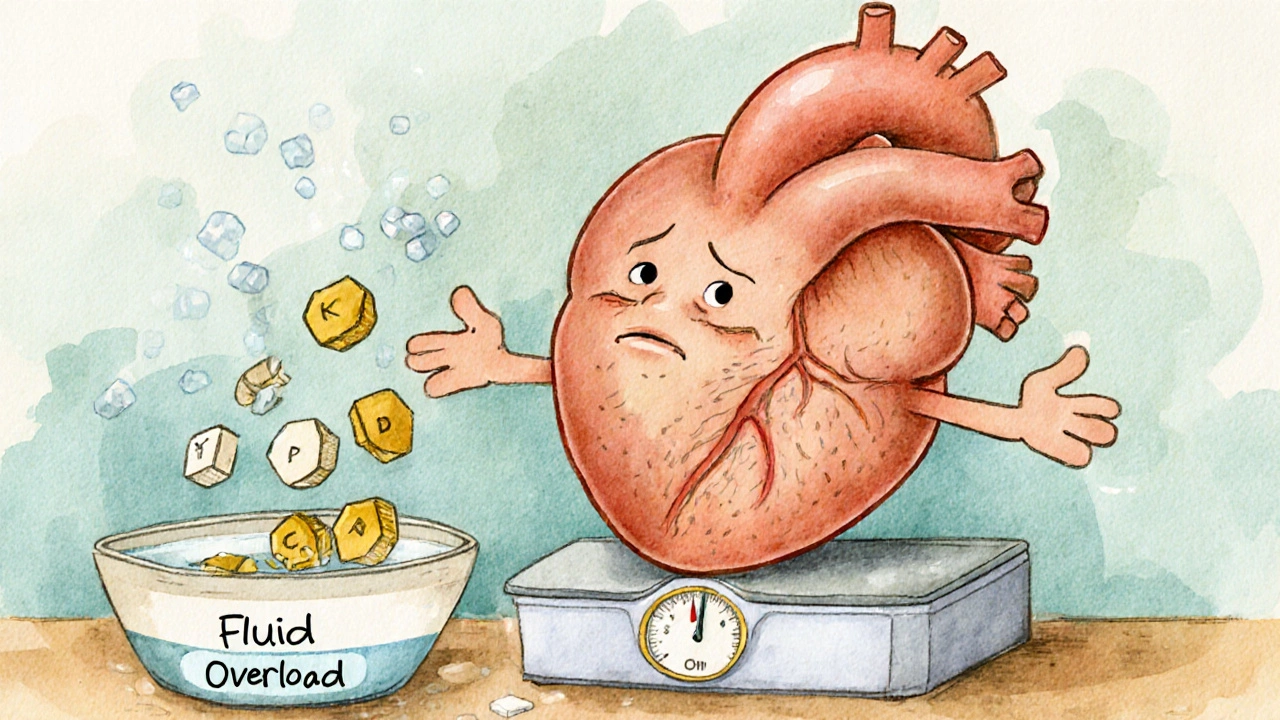
Managing Diuretics and Hypokalemia in Heart Failure Patients: Practical Tips
- Beata Staszkow
- |
- |
- 9
Learn how to safely manage diuretics in heart failure patients while preventing dangerous drops in potassium. Practical tips on medications, monitoring, and diet to reduce hypokalemia risk and improve outcomes.
View more