
Migraine Headache Management: Effective Strategies and What Actually Works
When you have a migraine headache management, the systematic approach to reducing the frequency, severity, and impact of migraine episodes. Also known as migraine control, it’s not just about popping a pill when the pain hits—it’s about understanding what sets it off, how to stop it early, and how to keep it from coming back. Migraines aren’t just bad headaches. They’re neurological events that can leave you blind, nauseous, and trapped in a dark room for hours. And if you’ve tried the usual suspects—tylenol, caffeine, lying down—you know they often don’t cut it.
Successful migraine triggers, specific factors that initiate or worsen migraine attacks vary wildly. For some, it’s red wine or strong cheese. For others, it’s sleep loss, bright lights, or even weather changes. Tracking these isn’t optional—it’s the first step. Apps, journals, or even just notes on your phone help spot patterns. You can’t avoid what you don’t know. And once you know your triggers, you can start making small, smart changes: better sleep hygiene, consistent meals, cutting out artificial sweeteners, or even managing stress with breathing exercises instead of scrolling.
Then there’s migraine treatment, the range of acute and preventive options used to reduce migraine symptoms and frequency. Acute treatments like triptans (sumatriptan, rizatriptan) work fast—if taken early. But they’re not for everyone. If you have heart issues, high blood pressure, or take antidepressants, some of these can be risky. Newer options like gepants (ubrogepant, rimegepant) and ditans (lasmiditan) offer alternatives with fewer side effects. And for those who get migraines more than four days a month, preventive medications, daily drugs taken to reduce how often migraines occur become necessary. Options include beta-blockers, anti-seizure drugs like topiramate, or even Botox injections. Even CGRP monoclonal antibodies, given as monthly shots, are changing lives. But none of these work overnight. You need patience and consistency.
What’s often missing from the conversation is migraine lifestyle changes, non-pharmaceutical habits that reduce migraine burden over time. Exercise isn’t just for fitness—it’s a proven migraine reducer. Regular aerobic activity lowers stress hormones and improves blood flow. Hydration matters more than you think. Dehydration is a top trigger. And magnesium? Many people with migraines are low in it. A simple 400 mg supplement daily can cut attack frequency. Caffeine? It’s a double-edged sword—helps some, triggers others. Keep it consistent. Skip it on weekends? That’s a recipe for rebound headaches.
There’s no magic cure. But there’s a clear path: know your triggers, treat early, use prevention when needed, and build habits that support your nervous system. The goal isn’t to live pain-free forever—it’s to get back control. To stop letting migraines dictate your schedule, your mood, your life. The posts below break down real strategies, medications, and daily practices that people actually use. No theory. No fluff. Just what works.
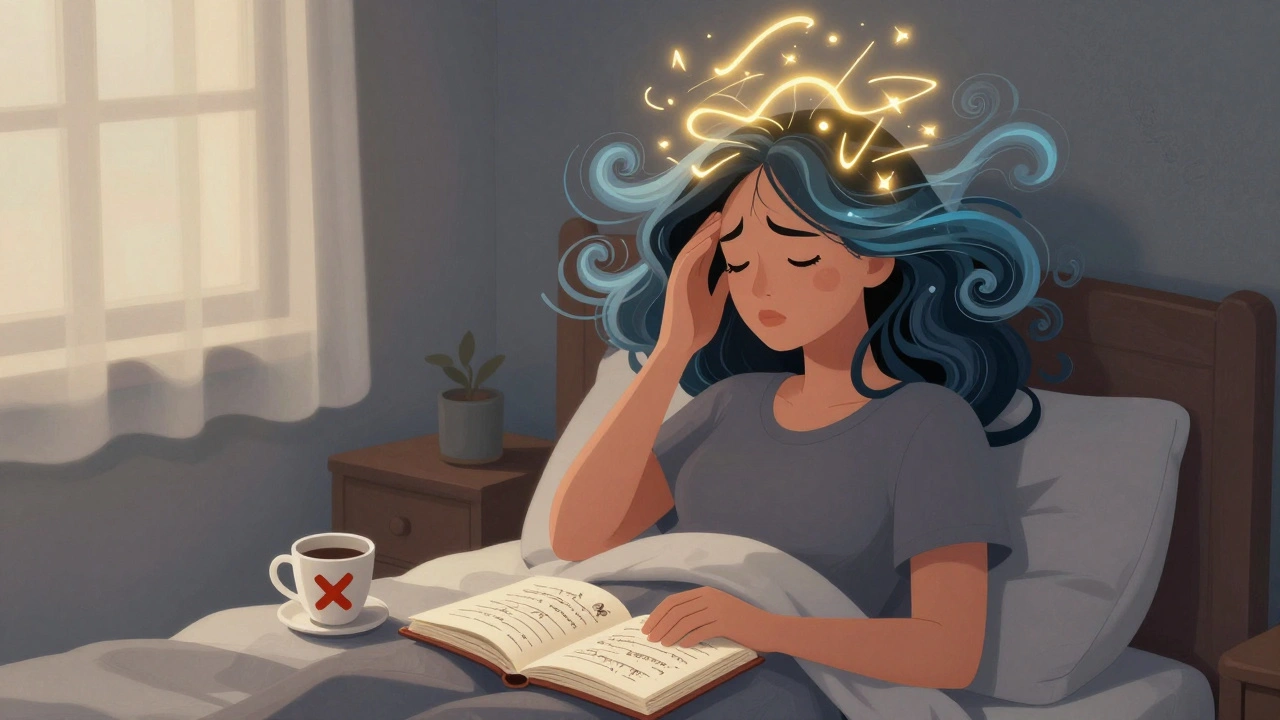
Vestibular Migraine: How to Manage Dizziness and Headaches Effectively
- Keith Ashcroft
- |
- |
- 15
Vestibular migraine causes dizziness, vertigo, and headaches without always including pain. Learn how to diagnose it, avoid common misdiagnoses, and use proven treatments like propranolol, vestibular rehab, and supplements to manage symptoms effectively.
View more