
Myeloma Bone Lesions: What They Are, How They Damage Bones, and What Treatments Help
When multiple myeloma, a cancer of plasma cells in the bone marrow spreads, it doesn’t just crowd out healthy blood cells—it starts eating away at your bones. These areas of destruction are called myeloma bone lesions, localized areas of bone breakdown caused by cancer cells disrupting normal bone repair. Unlike other cancers that spread to bones and form hard masses, myeloma creates holes—soft, weak spots that look like Swiss cheese on an X-ray. These are known as osteolytic lesions, bone defects caused by overactive bone-resorbing cells triggered by myeloma. They don’t heal on their own. Left untreated, they lead to fractures, severe pain, and even spinal cord compression.
What makes these lesions so dangerous isn’t just the physical damage. Myeloma cells release signals that turn off bone-building cells (osteoblasts) and crank up bone-eating cells (osteoclasts). This imbalance means your bones can’t repair themselves. Even small movements—like bending over or coughing—can cause a broken spine or rib. And because these lesions don’t show up until they’re quite large, many patients only realize they have them after a fracture. Blood tests for calcium levels, bone scans, MRIs, and PET scans help catch them early. Treatments now go beyond just killing cancer cells. Drugs like bisphosphonates and denosumab block the bone-eating process. Radiation can shrink painful lesions. Newer therapies, including monoclonal antibodies and CAR-T cells, target the cancer at its source. And for some, stem cell transplants offer a chance at long-term control. The goal isn’t just survival—it’s keeping your bones strong enough to live without pain or fear of breaking.
What you’ll find below are real, practical guides on how myeloma and its bone complications are managed—from drug interactions to pain control, from monitoring side effects to understanding what treatments actually work. No fluff. Just what you need to know to protect your bones and make smarter choices with your care team.
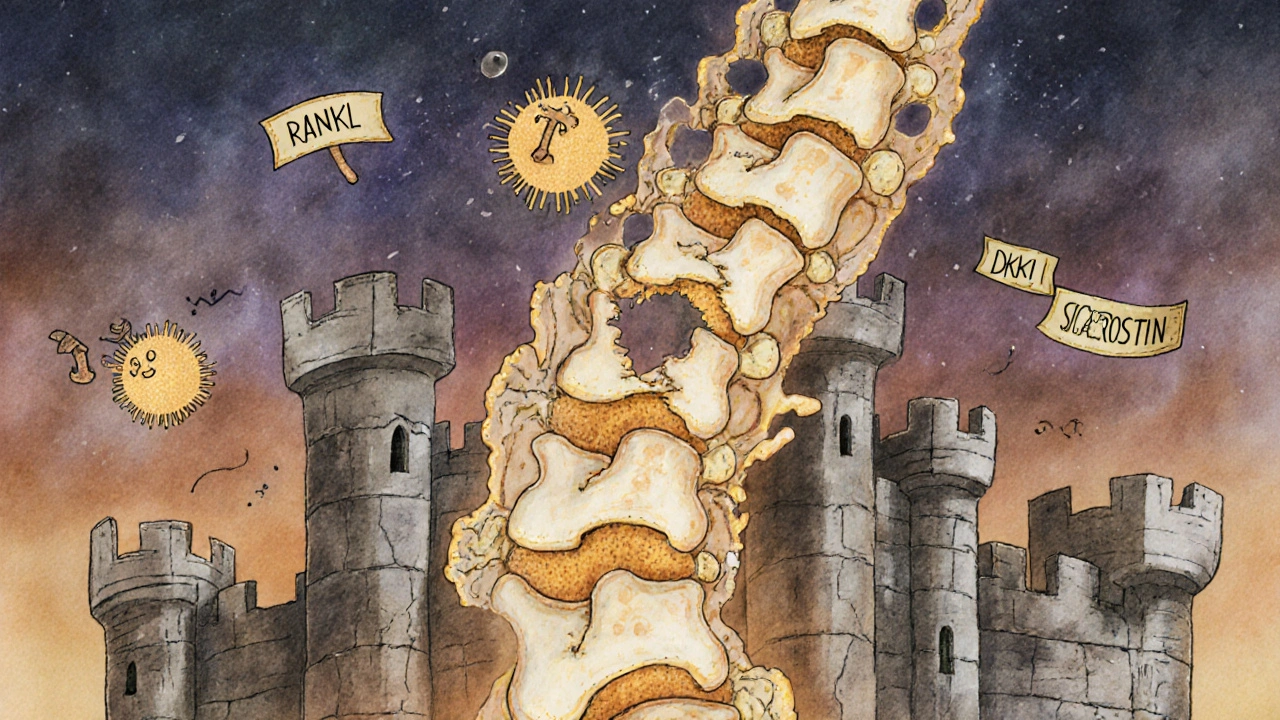
Multiple Myeloma: Understanding Bone Disease and the New Treatments Changing Outcomes
- Beata Staszkow
- |
- |
- 8
Multiple myeloma causes severe bone damage in over 80% of patients. Learn how new drugs are moving beyond slowing bone loss to actually healing lesions, reducing fractures, and improving quality of life.
View more