
Poison Prevention: How to Keep Your Home Safe from Toxic Substances
When we talk about poison prevention, the practice of reducing exposure to harmful substances in everyday environments. Also known as toxic exposure control, it’s not just about keeping kids away from cleaning bottles—it’s about understanding how medicines, chemicals, and even natural toxins can turn dangerous in seconds. Every year, over 2 million poison exposures are reported in the U.S. alone, and most happen right inside the home. You don’t need a lab coat to stop them—you just need to know where the risks hide.
Household chemicals, common products like bleach, antifreeze, and drain cleaners are behind nearly half of all non-medication poisonings. They’re often left in plain sight, under sinks or in garages, and kids or confused seniors can mistake them for drinks or food. Even medication safety, the careful storage and use of prescription and over-the-counter drugs is a major part of poison prevention. A single extra pill of painkiller or sleeping aid can be deadly, especially for children or elderly people on multiple drugs. That’s why locked cabinets, original packaging, and clear labels aren’t just good habits—they’re life-saving rules.
It’s not just about what’s in your home—it’s about how you use it. Did you know that mixing bleach and ammonia creates a deadly gas? Or that some herbal supplements can interact dangerously with heart meds? Childproofing, the process of making a home safer for young children by removing or securing hazards isn’t just about outlet covers and cabinet locks. It’s about knowing that liquid laundry pods look like candy, that mothballs are toxic if chewed, and that even some houseplants can cause vomiting or breathing trouble. Pets aren’t safe either—many human medications are deadly to dogs and cats, even in tiny doses.
The good news? Most poisonings are preventable. You don’t need to throw out your cleaning supplies. You just need to store them out of reach, keep them in their original containers, and never transfer them to food or drink bottles. Keep the poison control number (1-800-222-1222 in the U.S.) saved in your phone—don’t wait until an emergency to find it. If someone swallows, inhales, or gets something toxic on their skin, don’t wait for symptoms. Call immediately. Time matters more than you think.
Below, you’ll find real-world guides on how to handle dangerous medications, avoid accidental overdoses, and protect vulnerable people in your home. From how to safely store pills to understanding which household items are silent threats, these posts give you the tools to act—before it’s too late.
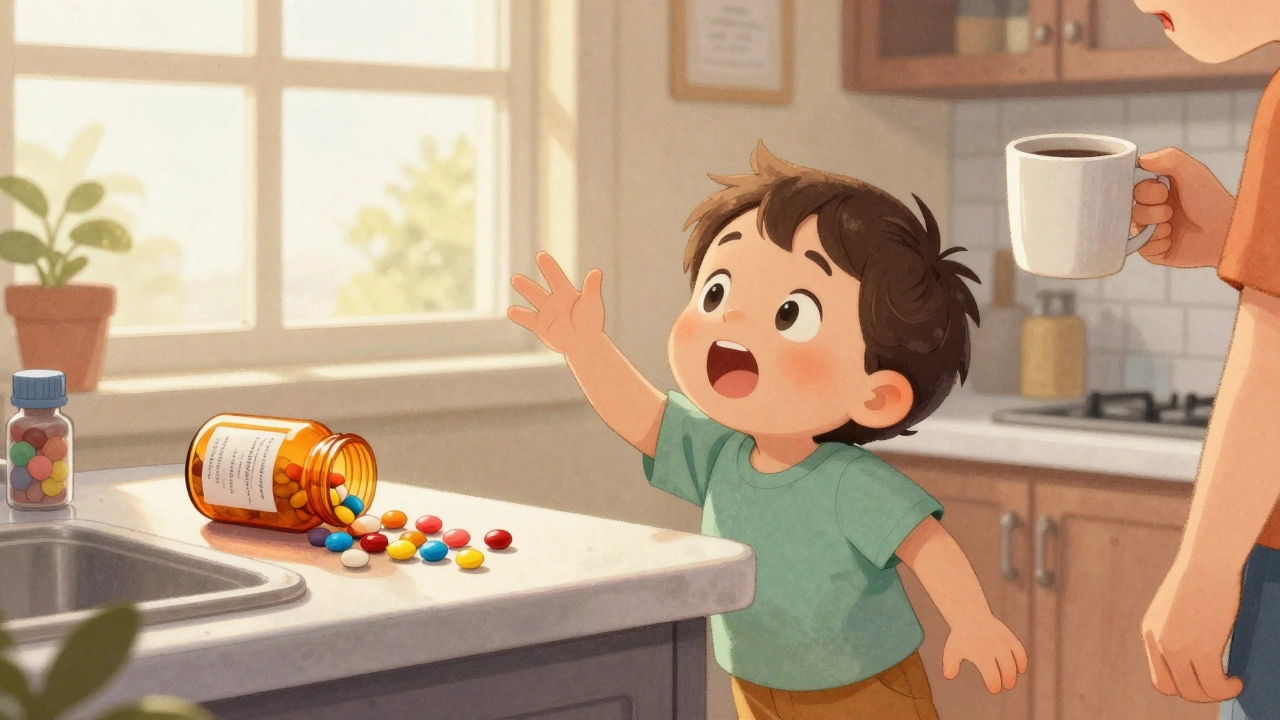
Accidental Pediatric Medication Overdose: How to Prevent It and What to Do If It Happens
- Keith Ashcroft
- |
- |
- 12
Accidental pediatric medication overdoses are preventable. Learn how child-resistant packaging, proper dosing, and locked storage can protect young children-and what to do if a child swallows medicine by mistake.
View more