
Pollen Asthma: Triggers, Management, and What Works
When pollen asthma, a type of allergic asthma triggered by airborne plant pollen. Also known as seasonal allergic asthma, it affects millions during spring and fall when trees, grasses, and weeds release tiny particles into the air. It’s not just sneezing or a runny nose—this is when your airways tighten, making it hard to breathe, especially outdoors. You might notice coughing, wheezing, or chest tightness right after mowing the lawn, walking through a park, or opening a window on a windy day.
Pollen asthma is closely tied to allergic asthma, a subtype where immune overreaction to allergens causes bronchial inflammation. Unlike non-allergic asthma, which can be triggered by cold air or stress, pollen asthma follows a clear seasonal pattern. It often starts in childhood but can show up at any age. People with seasonal allergies, commonly called hay fever are especially at risk—up to 80% of those with hay fever also have asthma symptoms when pollen counts spike. The link is real: same immune system, same overreaction, just different symptoms.
Managing it isn’t about avoiding the outdoors forever. It’s about knowing when pollen is high (check local forecasts), using air filters at home, showering after being outside, and keeping rescue inhalers handy. Some people benefit from daily antihistamines or nasal steroids during peak season. Others need long-term control meds like inhaled corticosteroids. What works varies by person, and what works one year might need adjusting the next. There’s no one-size-fits-all fix, but the right plan cuts down flare-ups and keeps you moving.
Below, you’ll find clear, practical advice from real cases—how to spot early warning signs, what medications actually help without side effects, and how to avoid common mistakes that make symptoms worse. No fluff. Just what works.
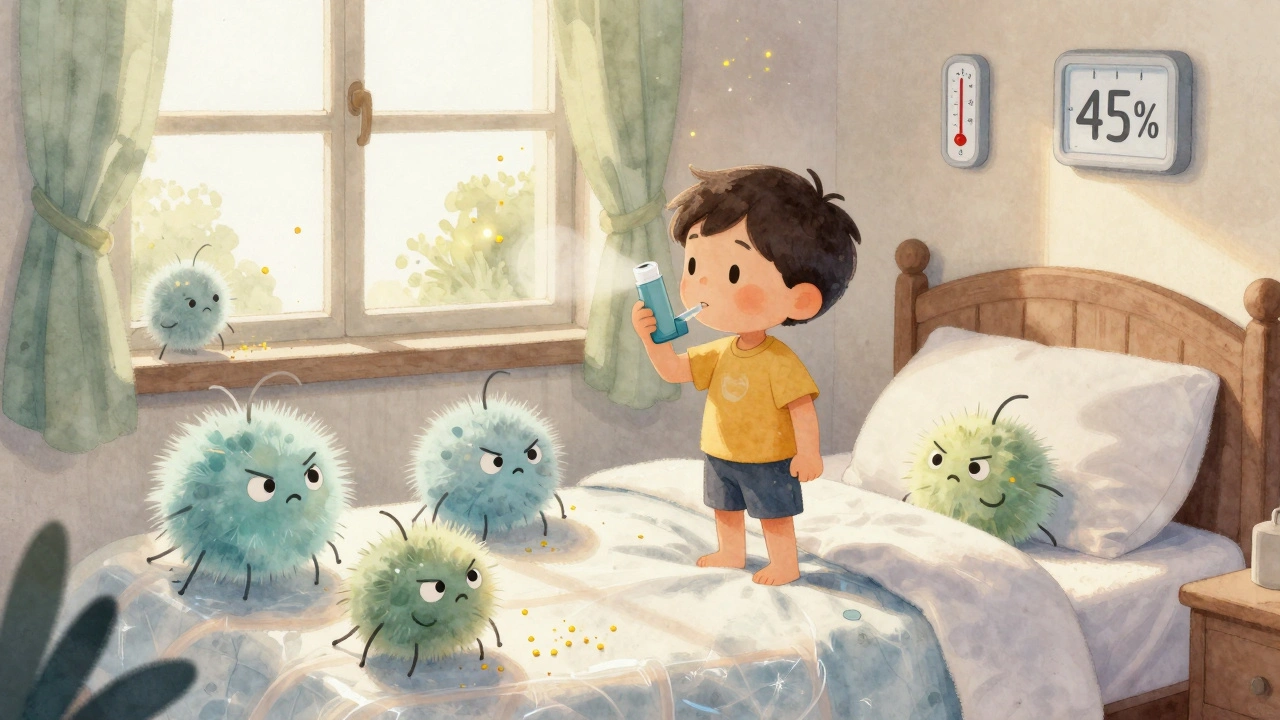
Allergic Asthma: Triggers, Allergen Avoidance, and Immunotherapy
- Beata Staszkow
- |
- |
- 10
Allergic asthma affects millions and is triggered by allergens like pollen, dust mites, and pet dander. Learn how to identify triggers, avoid them effectively, and consider immunotherapy for long-term relief.
View more