
Potassium Levels: What You Need to Know About High and Low Potassium
When your body’s potassium levels, a vital mineral that helps nerves and muscles work, regulates heart rhythm, and balances fluids. Also known as serum potassium, it’s one of the most important electrolytes in your blood. Too much or too little can throw off your whole system. Most people don’t think about potassium until they feel weak, get muscle cramps, or have an irregular heartbeat. But your kidneys are constantly working to keep it just right—and when they can’t, problems start.
Low potassium, also called hypokalemia often shows up after heavy sweating, vomiting, or taking diuretics. You might feel tired, notice your heart skipping beats, or get sudden muscle weakness. On the flip side, high potassium, or hyperkalemia, is more dangerous and often linked to kidney disease, certain blood pressure meds, or too many potassium supplements. It doesn’t always cause obvious symptoms, but when it does, it can lead to life-threatening heart rhythm changes.
What you eat matters. Bananas, potatoes, spinach, and beans are full of potassium—but so are salt substitutes and some sports drinks. If you’re on blood pressure meds like ACE inhibitors or have kidney issues, even small dietary changes can push your levels out of range. Doctors often check potassium during routine blood tests because it’s a quick way to spot hidden problems with your heart, kidneys, or meds.
You don’t need to chase potassium supplements unless your doctor says so. Most people get enough from food. But if you’re on diuretics, have digestive issues, or are active in hot weather, your needs might shift. The key is balance—not more, not less. Too many people pop potassium pills thinking they’re harmless, but that’s how dangerous spikes happen.
The posts below cover real cases and practical advice: how medications like diuretics or ACE inhibitors affect potassium, why kidney disease changes your needs, what foods to eat or avoid, and how to recognize the quiet signs of imbalance before it turns serious. You’ll find comparisons of supplements, warnings about over-the-counter products, and insights from people managing these levels daily. No fluff. Just what works.
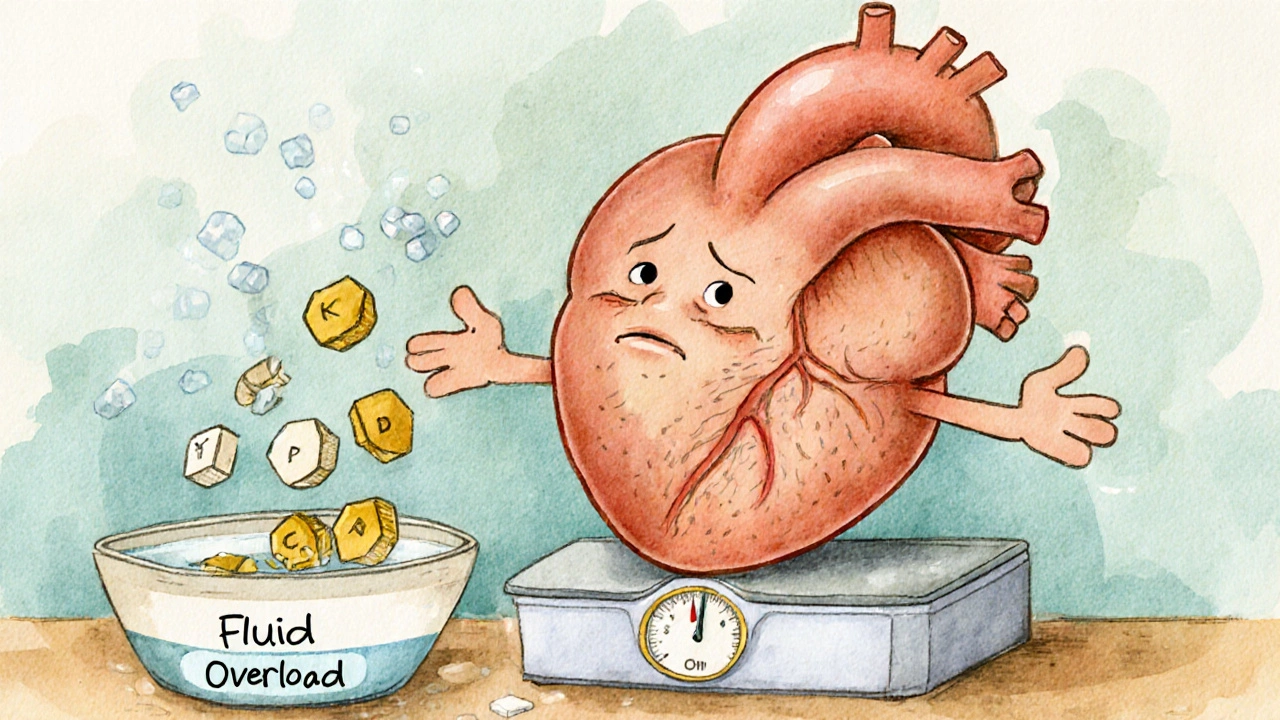
Managing Diuretics and Hypokalemia in Heart Failure Patients: Practical Tips
- Beata Staszkow
- |
- |
- 9
Learn how to safely manage diuretics in heart failure patients while preventing dangerous drops in potassium. Practical tips on medications, monitoring, and diet to reduce hypokalemia risk and improve outcomes.
View more