
Psoriatic Arthritis: Treatments, Medications, and What Actually Works
When psoriatic arthritis, a type of inflammatory arthritis that affects people with psoriasis, causing joint pain, swelling, and stiffness. Also known as PsA, it doesn’t just hurt joints—it can wear down cartilage, damage tendons, and make everyday movements like gripping a coffee cup or walking up stairs feel impossible. About 30% of people with psoriasis develop it, often years after the skin symptoms appear. But it’s not just a skin-and-joint issue—it’s an immune system gone rogue, attacking healthy tissue like it’s a threat.
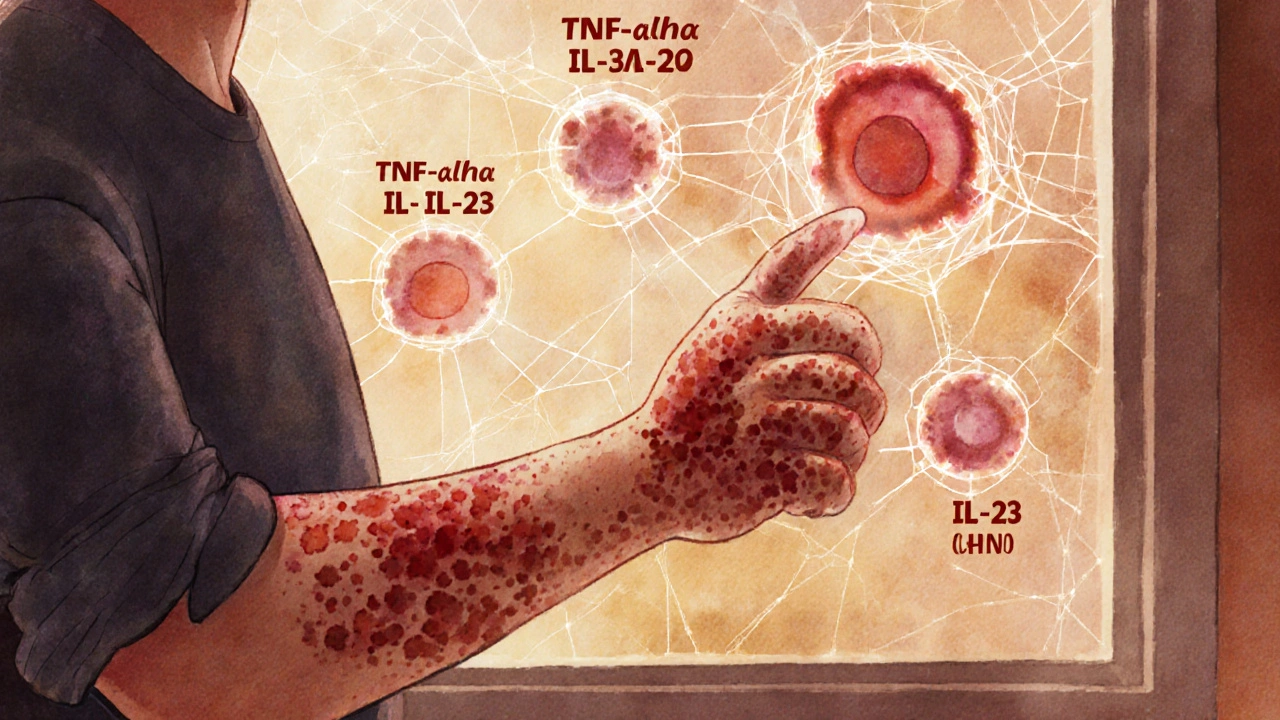
That’s why treatments focus on calming the immune response, not just masking pain. NSAIDs, nonsteroidal anti-inflammatory drugs like ibuprofen or naproxen, help reduce swelling and pain temporarily—but they don’t stop the damage. For real control, doctors turn to biologic drugs, targeted therapies that block specific immune signals driving inflammation, like TNF-alpha or IL-17. These aren’t pills you pick up over the counter—they’re injections or infusions, often used when other treatments fail. And while they’re powerful, they require monitoring for infections and other side effects.
Psoriatic arthritis doesn’t follow the same rules as regular osteoarthritis. It can affect fingers and toes in a way that makes them swell like sausages—dactylitis. It can stick to the spine, causing back pain that feels like sciatica. And it often shows up with nail changes: pitting, thickening, or separation from the nail bed. That’s why diagnosis isn’t just about blood tests or X-rays—it’s about connecting the dots between skin, joints, and nails.
What you won’t find in most guides is how much lifestyle matters. Weight loss cuts inflammation. Moving regularly—even gentle yoga or swimming—keeps joints flexible. And stress? It’s a known trigger. Managing it isn’t optional. You can take the best drug in the world, but if you’re sleeping poorly and eating processed foods, you’re fighting with one hand tied behind your back.
Below, you’ll find real, no-fluff breakdowns of what works and what doesn’t. From how fixed-dose combinations simplify treatment plans, to why some arthritis gels work better than others, to how insurance decides which drugs get covered—this collection cuts through the noise. You’ll see comparisons between common treatments, tips on managing side effects from long-term meds, and even how to talk to your pharmacist about switching generics without losing control of your symptoms. No theory. No fluff. Just what you need to take charge of psoriatic arthritis without feeling lost in a sea of medical jargon.
Psoriatic Arthritis Skin-Joint Link: Signs and Treatments
- Beata Staszkow
- |
- |
- 17
Psoriatic arthritis links skin and joint inflammation through the same immune response. Learn the key signs - dactylitis, enthesitis, nail changes - and how modern treatments can stop joint damage before it's too late.
View more