
Supervised Drug Challenge: What It Is and Why It Matters in Safe Medication Use
When a patient has a history of suspected drug reactions but needs the medication anyway, a supervised drug challenge, a controlled medical procedure to safely test if a patient can tolerate a specific drug. Also known as drug provocation test, it’s a critical tool in avoiding unnecessary drug avoidance and ensuring patients get the most effective treatment. This isn’t guesswork—it’s a structured, monitored process done under medical supervision, usually in a clinic or hospital setting, where trained staff watch for signs of allergic or adverse reactions in real time.
It’s not just for allergies. A supervised drug challenge, a controlled medical procedure to safely test if a patient can tolerate a specific drug. Also known as drug provocation test, it’s a critical tool in avoiding unnecessary drug avoidance and ensuring patients get the most effective treatment. is also used to confirm or rule out drug tolerance, the body’s reduced response to a medication over time, requiring dose adjustments, especially with antibiotics, painkillers, or psychiatric drugs. For example, someone told they’re allergic to penicillin might have outgrown it—or were misdiagnosed. A supervised challenge can clear them to use a safer, cheaper, more effective antibiotic. Similarly, patients on long-term medications like statins or anticonvulsants may need to test if side effects like muscle pain or dizziness are truly drug-related or caused by something else.
These tests are never done lightly. They follow strict protocols: starting with a tiny dose, waiting, then gradually increasing while monitoring vital signs, skin reactions, breathing, and other symptoms. The whole process can take hours. But it’s far safer than avoiding a needed drug forever—or accidentally giving it to someone who truly can’t tolerate it. Hospitals use this method to cut down on adverse drug reactions, harmful and unintended effects of medications that lead to hospital visits or worse, which are among the top causes of preventable harm in healthcare.
What you’ll find in the posts below are real-world examples of how medication safety works in practice—from how pharmacists double-check high-alert drugs to how insurers decide which generics to cover. You’ll see how dosing errors in kids, drug interactions in Parkinson’s patients, and even environmental impacts of antibiotics all tie back to one thing: getting the right drug, to the right person, safely. Whether you’re a patient, caregiver, or healthcare worker, understanding supervised drug challenges helps you ask better questions, avoid unnecessary restrictions, and make smarter choices about your treatment.
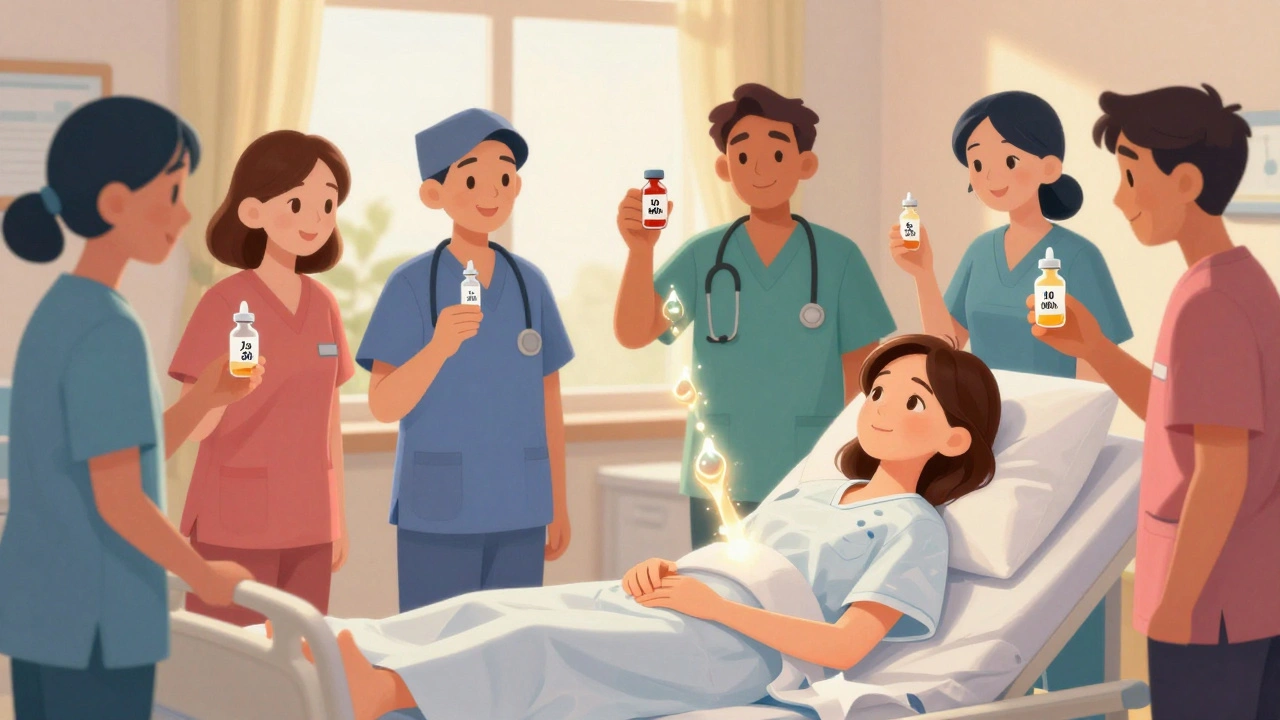
How to Re-Challenge or Desensitize After a Drug Allergy Under Supervision
- Beata Staszkow
- |
- |
- 11
Drug desensitization allows people with serious drug allergies to safely receive essential medications under medical supervision. Learn how it works, who qualifies, and why it’s a life-saving option when no alternatives exist.
View more