
Vestibular Migraine: Symptoms, Triggers, and What Actually Helps
When you feel like the room is spinning, you’re nauseous, and your balance is off—but no headache follows—it might not be an ear infection or inner ear issue. It could be vestibular migraine, a neurological condition where migraine triggers affect the inner ear and balance system. Also known as migraine with vertigo, this form of migraine doesn’t always hurt, but it can leave you disabled for hours or even days.
Vestibular migraine is one of the most common causes of recurrent vertigo in adults, yet it’s often misdiagnosed as benign paroxysmal positional vertigo (BPPV) or Meniere’s disease. The key difference? With vestibular migraine, symptoms come and go in waves, often tied to stress, sleep loss, bright lights, or certain foods like aged cheese, caffeine, or MSG. Unlike BPPV, which lasts seconds and is triggered by head movement, vestibular migraine episodes can last minutes to days, and you might feel foggy, sensitive to sound, or see flashing lights afterward.
What’s tricky is that not everyone with vestibular migraine has a history of classic headaches. Some people only ever experience dizziness. That’s why doctors miss it. But if you’ve had three or more episodes of spinning, unsteadiness, or motion sensitivity—especially if you’ve had migraines before, or have family members with them—it’s worth asking about vestibular migraine. Treatment isn’t just about pills. It’s about patterns: tracking triggers, managing sleep, avoiding overstimulation, and sometimes using migraine preventatives like beta-blockers or topiramate. Even simple changes—like reducing screen time or cutting out alcohol—can cut episodes in half.
And it’s not just about the dizziness. Vestibular migraine affects how your brain processes motion and space. That’s why some people feel off-balance walking through grocery stores, or get dizzy riding in cars. It’s not anxiety—it’s your brain misreading signals from your inner ear. The good news? Research shows that with the right approach, most people see big improvements. Lifestyle tweaks, targeted meds, and vestibular rehab exercises can make a real difference.
Below, you’ll find real-world guides on how to spot the early signs, what medications actually help (and which ones to avoid), how to track your triggers without obsessing, and what to do when dizziness strikes in public. You’ll also see how vestibular migraine connects to other neurological conditions, why some migraine treatments fail here, and how diet, sleep, and stress interact to make symptoms worse—or better.
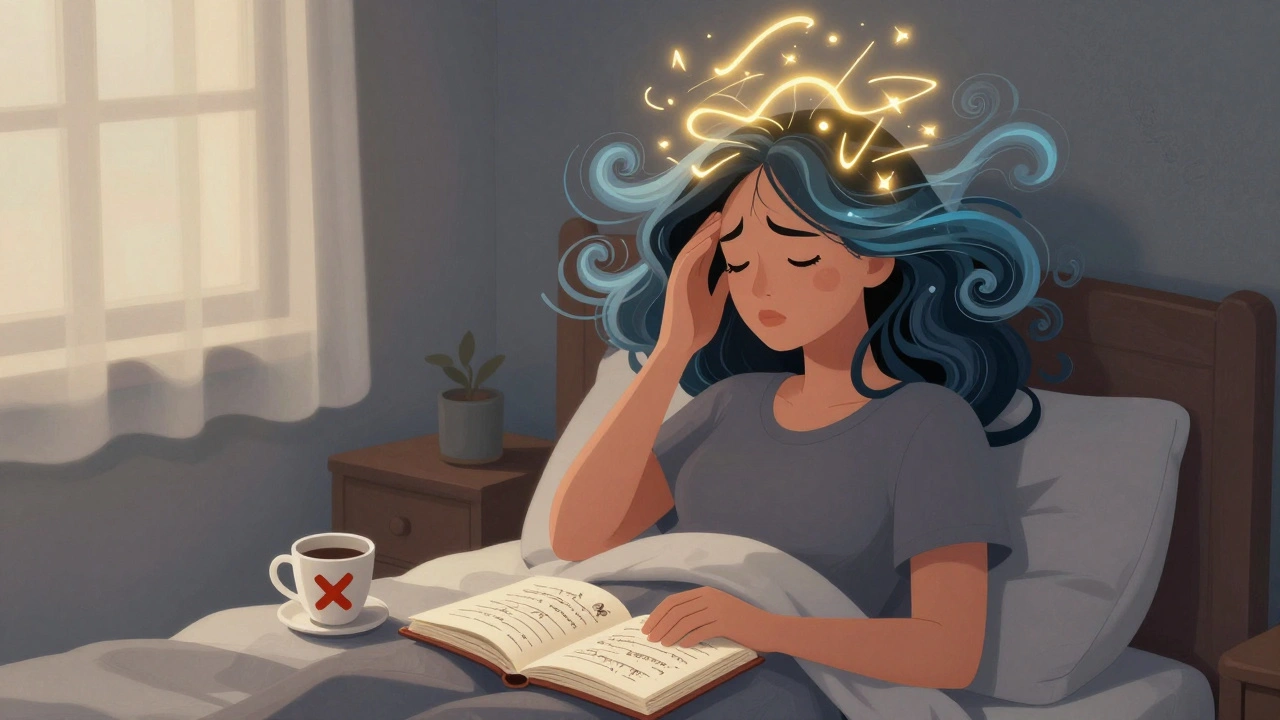
Vestibular Migraine: How to Manage Dizziness and Headaches Effectively
- Keith Ashcroft
- |
- |
- 15
Vestibular migraine causes dizziness, vertigo, and headaches without always including pain. Learn how to diagnose it, avoid common misdiagnoses, and use proven treatments like propranolol, vestibular rehab, and supplements to manage symptoms effectively.
View more