
Vitamin B12 Deficiency: Symptoms, Causes, and What Really Works
When your body doesn’t get enough vitamin B12, a crucial nutrient for nerve function and red blood cell production. Also known as cobalamin, it’s not something your body makes—you have to get it from food or supplements. Without enough, you might feel tired, numb, or off-balance, even if you’re sleeping well and eating ‘healthy’.
Many people assume B12 deficiency only affects vegans, but that’s not true. It’s often about absorption, how well your body pulls B12 from food into your bloodstream, not intake. As you age, stomach acid drops, making it harder to break down B12 from meat or dairy. Autoimmune conditions like pernicious anemia, a condition where the body attacks cells needed to absorb B12 can block absorption entirely. Even long-term use of acid-reducing drugs like proton pump inhibitors can silently drain your B12 levels over years.
Common signs include tingling in hands and feet, trouble walking, memory lapses, and a swollen, red tongue. Some people mistake these for aging, stress, or depression. But low B12 can cause nerve damage that doesn’t fully reverse if ignored too long. Blood tests can catch it early, but many doctors don’t check unless symptoms are severe. The good news? Once diagnosed, treatment is straightforward: injections for severe cases, or high-dose oral supplements for most. Sublingual tablets, fortified foods, and even nasal sprays work for some. The key is fixing the root cause—not just topping off levels.
What you’ll find below are real, practical articles that dig into the details most guides skip. From how B12 interacts with other nutrients to why some people need lifelong shots, these posts cut through the noise. You’ll see what works for people who’ve been misdiagnosed, what supplements actually help, and how to talk to your doctor about testing. No fluff. Just what you need to take back control.
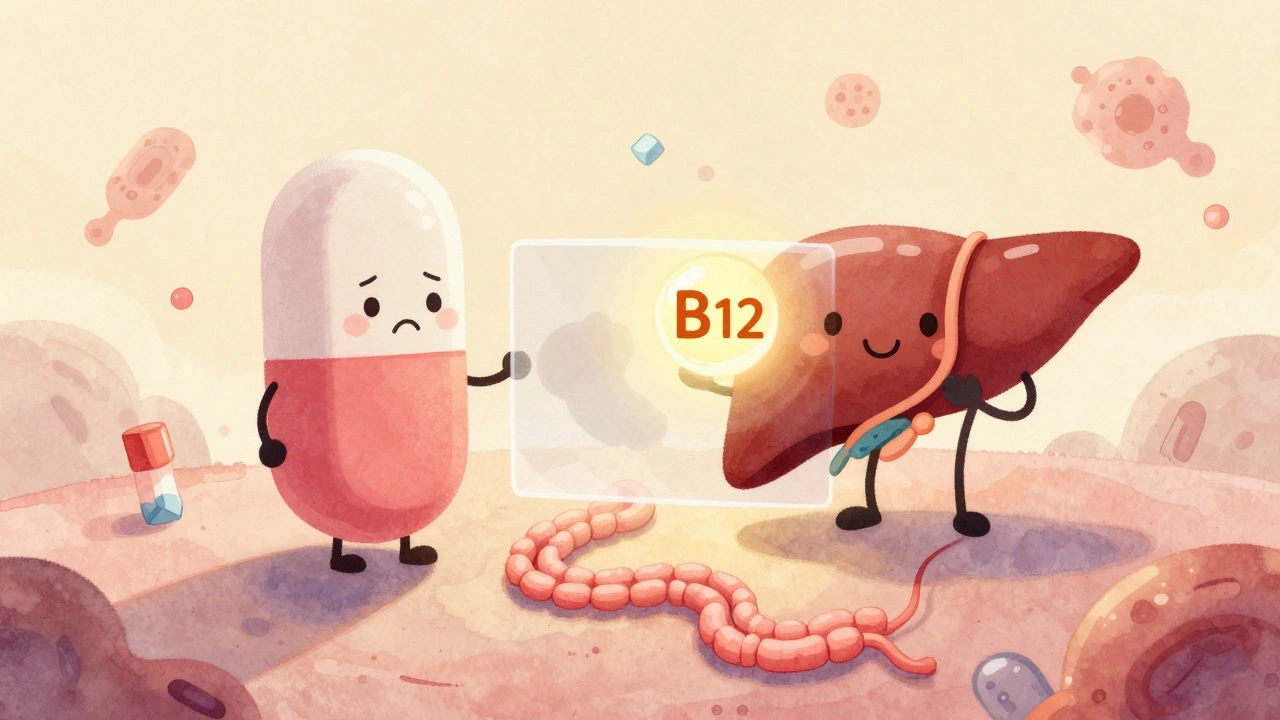
Metformin and Vitamin B12 Deficiency: What You Need to Know About Long-Term Risks
- Keith Ashcroft
- |
- |
- 12
Long-term metformin use can cause vitamin B12 deficiency, leading to nerve damage, fatigue, and confusion. Learn the symptoms, who's at risk, and how to prevent irreversible complications with simple blood tests and supplements.
View more