
Water Pills: What They Are, How They Work, and What You Need to Know
When people talk about water pills, medications that help your body flush out excess fluid through urine. Also known as diuretics, they’re one of the most common treatments for high blood pressure, swelling, and heart failure. But they’re not just simple ‘flush out the water’ drugs. Take the wrong dose, ignore side effects, or use them without monitoring—and they can mess with your electrolytes, especially potassium levels, a critical mineral that keeps your heart and muscles working right. Low potassium, or hypokalemia, a dangerous drop in blood potassium that can cause muscle weakness, irregular heartbeat, and even cardiac arrest. is a real risk with many water pills, especially if you’re also taking them for heart failure, a condition where the heart can’t pump blood effectively, leading to fluid buildup..
Water pills don’t all work the same way. Some, like furosemide, act fast and hard on your kidneys to push out fluid—these are called loop diuretics. Others, like hydrochlorothiazide, work slower but are often used long-term for blood pressure. Then there are potassium-sparing types, like spironolactone, which help you keep your potassium up but can cause other issues if you’re not careful. The choice depends on your condition, your other meds, and how your body responds. That’s why you can’t just pick one off the shelf. Doctors don’t just prescribe them—they monitor you. Blood tests, weight checks, and watching for signs like leg cramps or fatigue aren’t optional. They’re part of the treatment.
People often think water pills are safe because they’re common. But they’re not harmless. If you’re on them for heart failure, you’re probably also on other meds that affect your kidneys or electrolytes. Take too much, skip your follow-ups, or ignore the warning signs—and you could end up in the hospital. Even healthy people who use them for bloating risk imbalances that affect their heart rhythm. And here’s the thing: most people don’t realize that water pills can interact with things like NSAIDs, lithium, or even certain supplements. It’s not just about the pill—it’s about the whole picture.
What you’ll find in the posts below isn’t a list of brand names or dosage charts. It’s real-world insight from people who’ve lived with these meds, and doctors who’ve seen what happens when things go wrong. You’ll read about how to manage potassium while on diuretics, why some patients need constant monitoring, and how switching from one water pill to another can make a huge difference. There’s also coverage on how these drugs affect older adults, how insurance decides what’s covered, and what alternatives exist when side effects become too much. No fluff. No marketing. Just what you need to know to stay safe and informed.
If you’re taking water pills—or thinking about it—this collection gives you the context you won’t get from a pharmacy label. It’s not about quick fixes. It’s about understanding the trade-offs, recognizing the red flags, and knowing what questions to ask your doctor before the next refill.
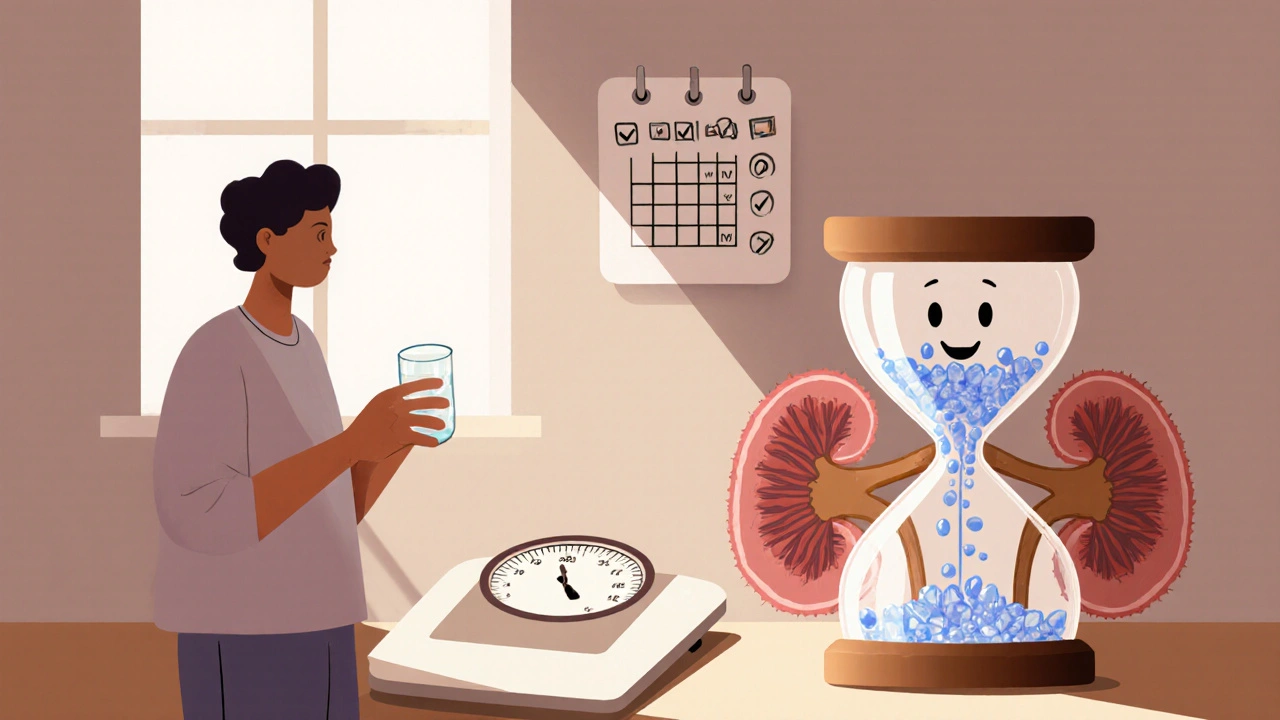
Hydration and Diuretics: How to Balance Fluid Intake to Avoid Side Effects
- Keith Ashcroft
- |
- |
- 12
Learn how to balance fluid intake when taking diuretics to avoid dehydration, electrolyte loss, and dangerous side effects. Practical tips on water, electrolytes, weight tracking, and what to avoid.
View more