
Statin Side Effects: What You Need to Know Before You Take Them
When you take a statin, a class of drugs used to lower LDL cholesterol and reduce heart attack risk. Also known as HMG-CoA reductase inhibitors, these medications are among the most prescribed in the world — but they’re not harmless. Millions rely on them to protect their hearts, yet many stop taking them because of side effects they weren’t warned about. The truth? Most people tolerate statins fine, but for some, the trade-off isn’t worth it.
One of the most common complaints is muscle pain, a dull ache or weakness that can start weeks or months after beginning treatment. It’s not always the statin — other factors like age, activity level, or thyroid issues can mimic it — but if you feel it, don’t ignore it. Your doctor can check your CPK levels to see if muscle damage is happening. Less common but more serious is liver damage, a rare but real risk that shows up as elevated liver enzymes on blood tests. That’s why routine blood work is part of the deal when you’re on a statin. And then there’s the increased diabetes risk, a small but documented rise in blood sugar levels, especially in people already at risk. It’s not a reason to avoid statins if you need them, but it’s a reason to monitor your glucose and stay active.
These aren’t scare tactics — they’re facts. Statins save lives, but they’re not magic pills. The key is knowing what to watch for and when to speak up. You’ll find real stories and clear data below on how people manage muscle pain without quitting, how to tell if your fatigue is from the statin or something else, and what alternatives exist if side effects become too much. Whether you’re just starting out or have been on one for years, this collection gives you the unfiltered details you won’t get from a brochure.
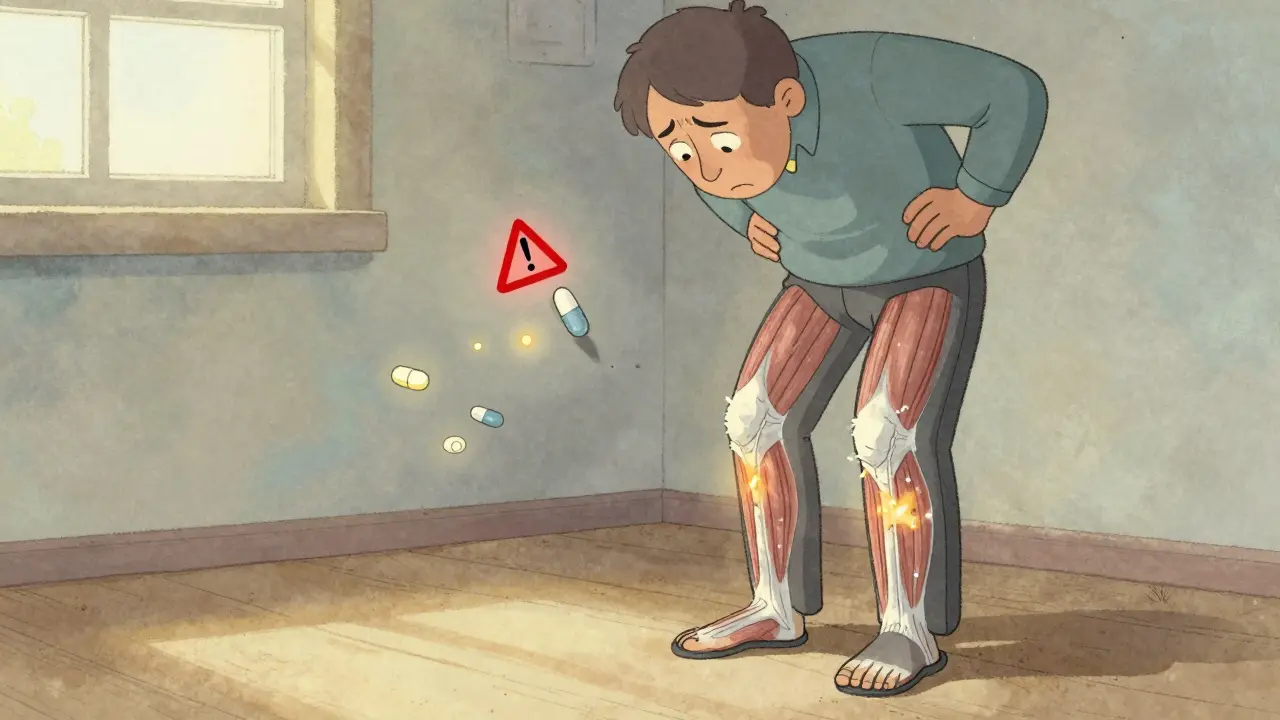
Muscle Cramps on Statins: How to Tell If It's Myopathy or Neuropathy
- Beata Staszkow
- |
- |
- 12
Muscle cramps on statins can signal myopathy or neuropathy-two very different conditions. Learn how to tell them apart, what tests to ask for, and how to protect your heart without harming your muscles or nerves.
View more
Muscle Aches from Statins: What Really Causes It and What to Do
- Keith Ashcroft
- |
- |
- 15
Muscle aches from statins are common but often overestimated. Learn what's really causing the pain, when to worry, and how to stay protected without quitting your heart medication.
View more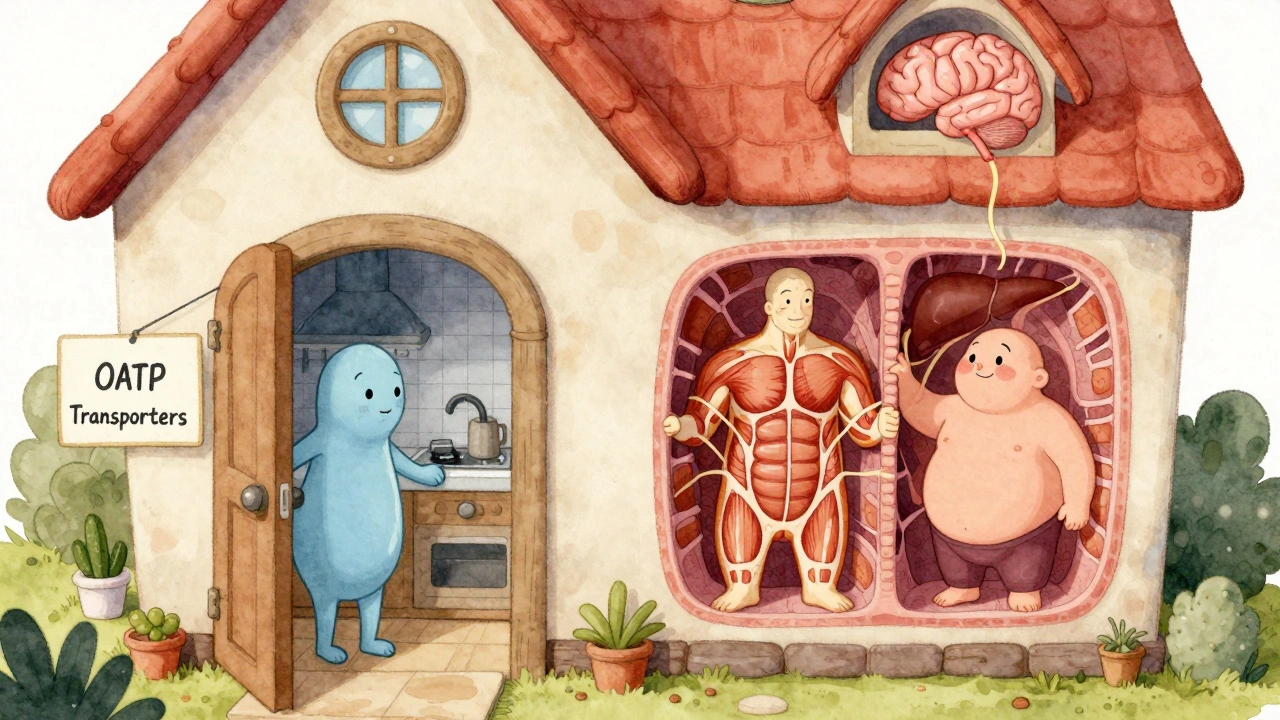
Hydrophilic vs Lipophilic Statins: What You Need to Know About Side Effects
- Keith Ashcroft
- |
- |
- 8
Hydrophilic and lipophilic statins differ in how they move through the body, affecting muscle pain risk and drug interactions. Learn which statins are safer, what really causes side effects, and how to choose the right one for you.
View more