
Generic Drugs and Medication Safety in 2025: What You Need to Know
When it comes to generic drugs, lower-cost versions of brand-name medications that meet the same FDA standards for safety and effectiveness. Also known as brand equivalents, they make up 90% of prescriptions in the U.S. but cost just 12% of what brand-name drugs do—saving the healthcare system over $480 billion in 2024 alone. Yet knowing what’s in your pill bottle isn’t enough. You also need to understand how state laws, insurance rules, and even your own health conditions can block access or cause harm.
Medication safety, the practice of preventing errors and harmful side effects when using drugs. Also known as pharmaceutical safety, it’s not just about taking the right dose—it’s about knowing which drugs clash, how to adjust for travel, and when a "safe" option isn’t safe at all. For example, a common anti-nausea drug can wreck Parkinson’s symptoms. A diuretic can drop your potassium to dangerous levels if you don’t track fluids. And long-acting injectables, while great for adherence, demand ongoing monitoring to avoid hidden physical damage. These aren’t hypothetical risks—they’re real, documented problems that show up in nursing homes, during international trips, and in multi-bird households where stress triggers feather loss.
What ties all these posts together? They’re about control. Control over your body, your budget, and your health outcomes. You can’t trust insurers to always cover the right generic. You can’t assume your pharmacist will switch your brand to a cheaper version—state laws vary wildly. You can’t ignore how time zones mess with your pill schedule. And you can’t treat a topical pain gel like it’s a magic fix when science shows other options work better for your type of arthritis.
What You’ll Find in This Collection
In November 2025, we dug into the gaps between what’s sold and what’s safe. You’ll find clear breakdowns of how insurers pick which generics to cover, why some states force substitutions while others leave it up to the pharmacist, and how to fight back if your medication gets denied. We showed you how to read labels before crossing borders, how to balance water and electrolytes on diuretics, and why long-acting antipsychotics need more than just monthly check-ins. We even looked at how a common antibiotic like tinidazole ends up polluting rivers—and what you can do to help.
This isn’t theory. These are the exact issues people face when they’re juggling heart failure, Parkinson’s, pregnancy nausea, or gout flares. The advice here isn’t generic—it’s specific, tested, and meant to help you make smarter choices before you end up in a hospital or worse, a pharmacy waiting room with no answers.
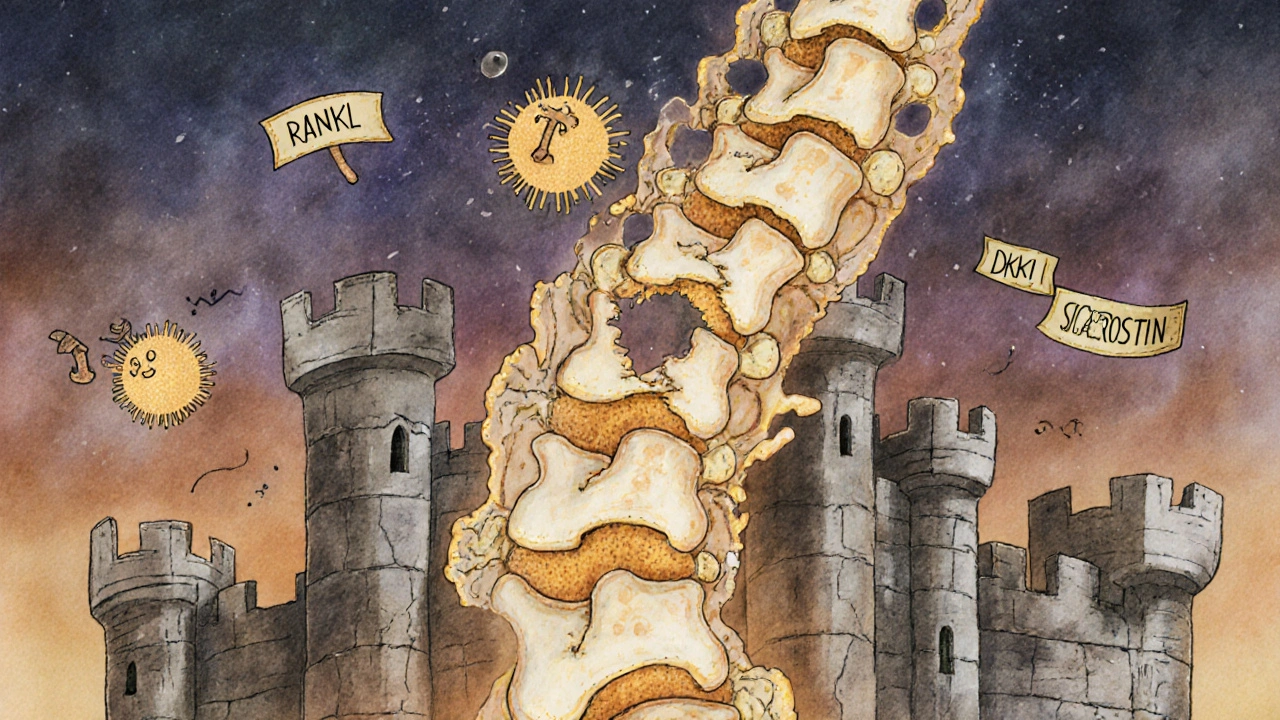
Multiple Myeloma: Understanding Bone Disease and the New Treatments Changing Outcomes
- Beata Staszkow
- |
- |
- 8
Multiple myeloma causes severe bone damage in over 80% of patients. Learn how new drugs are moving beyond slowing bone loss to actually healing lesions, reducing fractures, and improving quality of life.
View more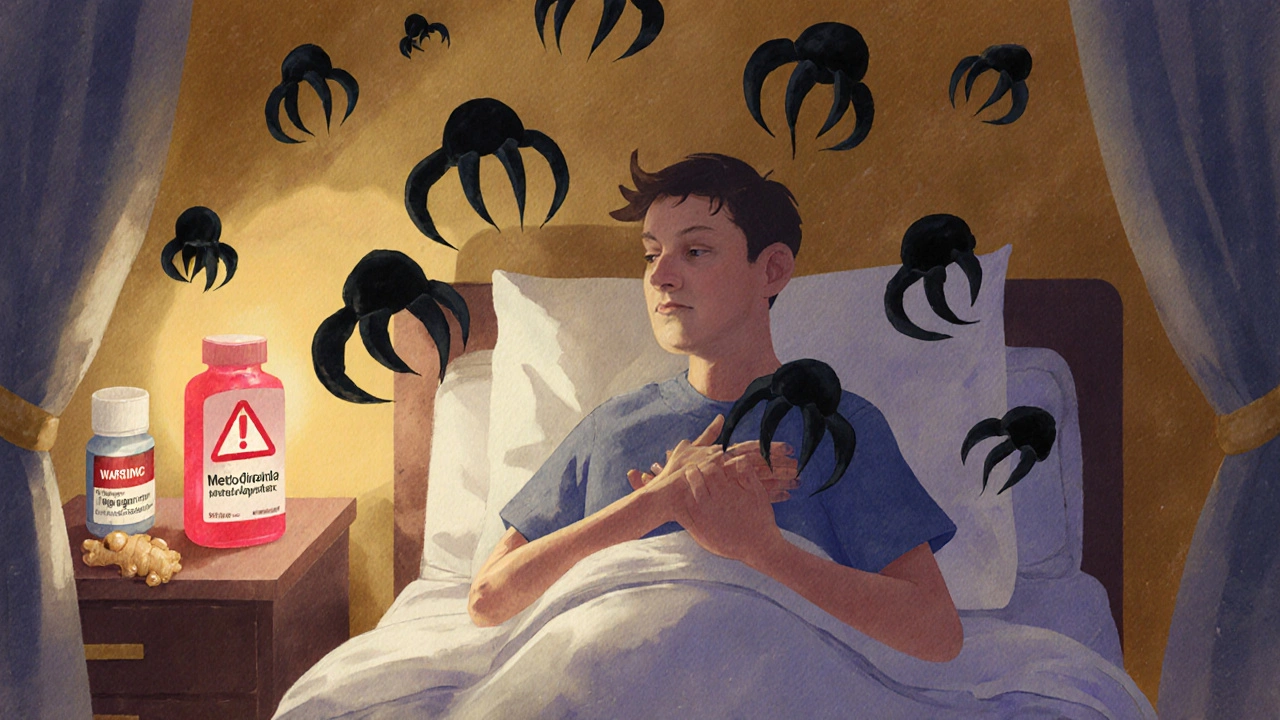
Antiemetics and Parkinson’s Medications: Avoiding Dangerous Dopamine Interactions
- Keith Ashcroft
- |
- |
- 10
Dopamine-blocking antiemetics like metoclopramide can severely worsen Parkinson’s symptoms. Learn which drugs to avoid, safer alternatives like domperidone and cyclizine, and how to protect your movement from dangerous medication interactions.
View more
Fixed-dose combination drugs: what they are and why they exist
- Keith Ashcroft
- |
- |
- 13
Fixed-dose combination drugs combine two or more medications in one pill to improve adherence, reduce pill burden, and enhance treatment effectiveness. Learn how they work, where they're used, and when they make sense.
View more
How to Read Prescription Labels When Traveling or Crossing Time Zones
- Beata Staszkow
- |
- |
- 8
Learn how to read prescription labels when traveling across time zones to avoid missed doses, customs seizures, and health emergencies. Essential tips for safe international travel with medications.
View more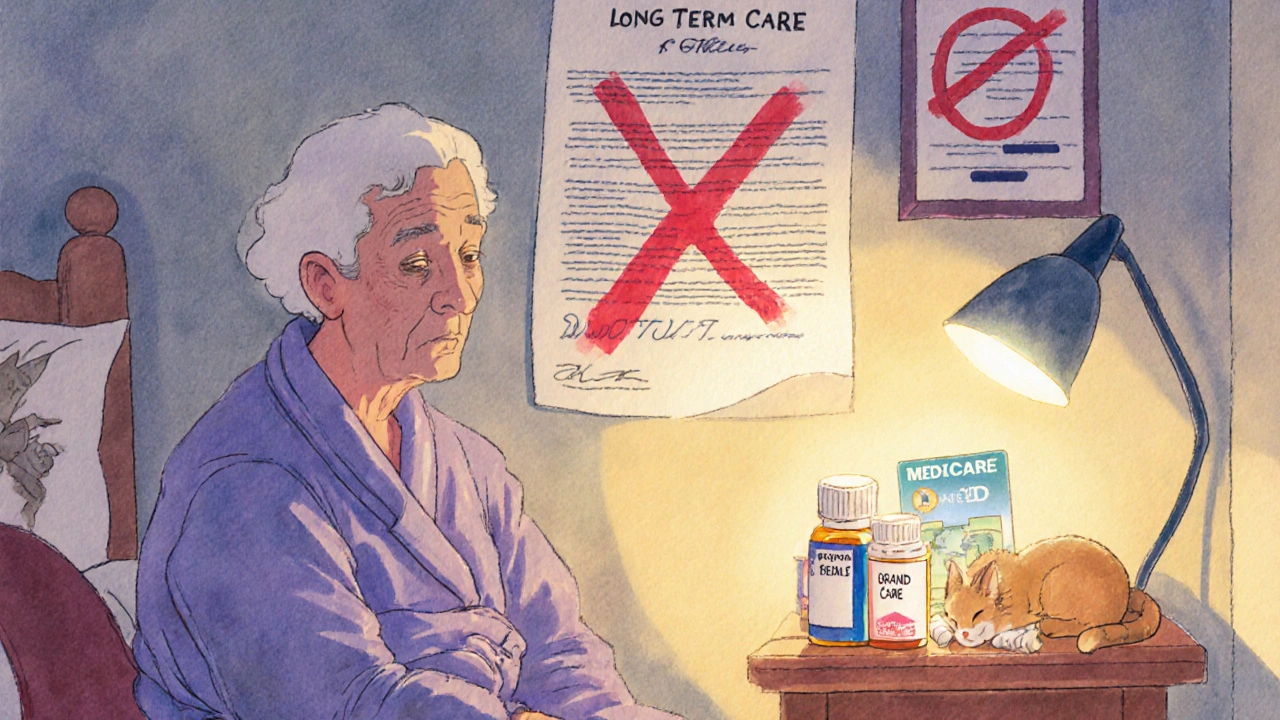
Long-Term Care Insurance and Generic Drug Coverage in Nursing Homes: What You Really Need to Know
- Beata Staszkow
- |
- |
- 9
Long-term care insurance doesn't cover generic drugs in nursing homes. Medicare Part D does - but formularies, delays, and enrollment gaps can block access. Know how it works to avoid costly surprises.
View more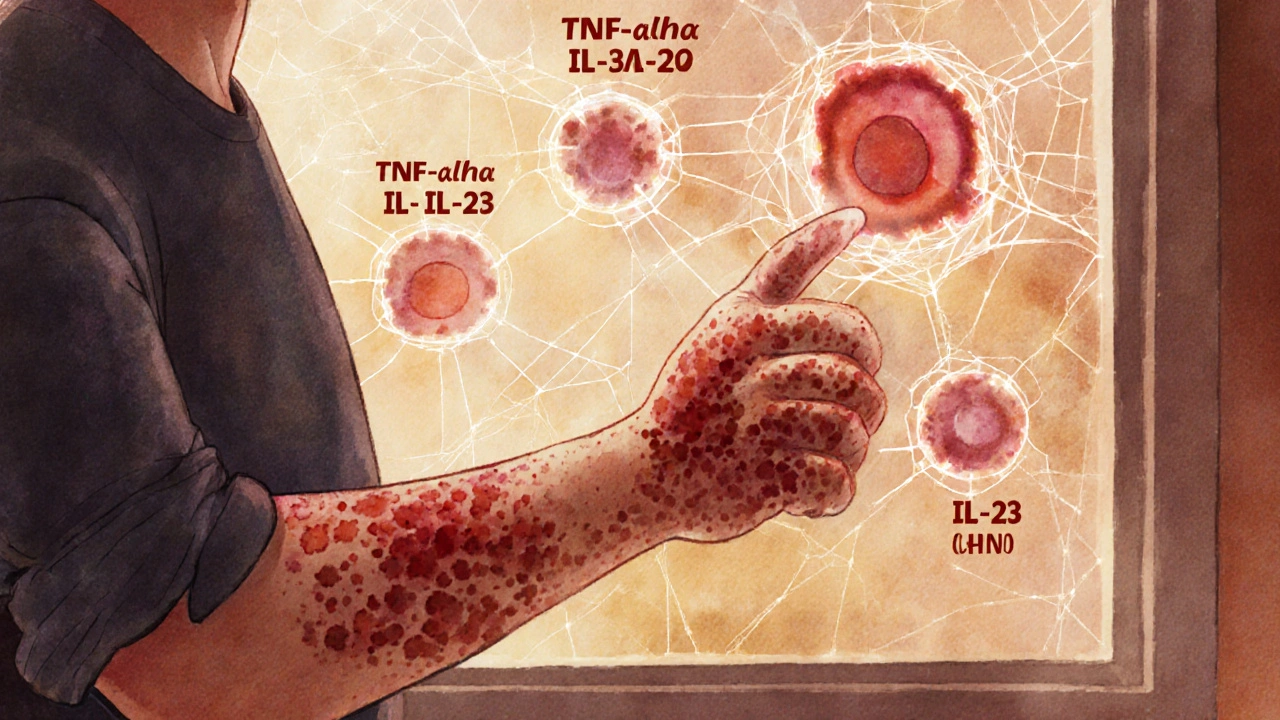
Psoriatic Arthritis Skin-Joint Link: Signs and Treatments
- Beata Staszkow
- |
- |
- 17
Psoriatic arthritis links skin and joint inflammation through the same immune response. Learn the key signs - dactylitis, enthesitis, nail changes - and how modern treatments can stop joint damage before it's too late.
View more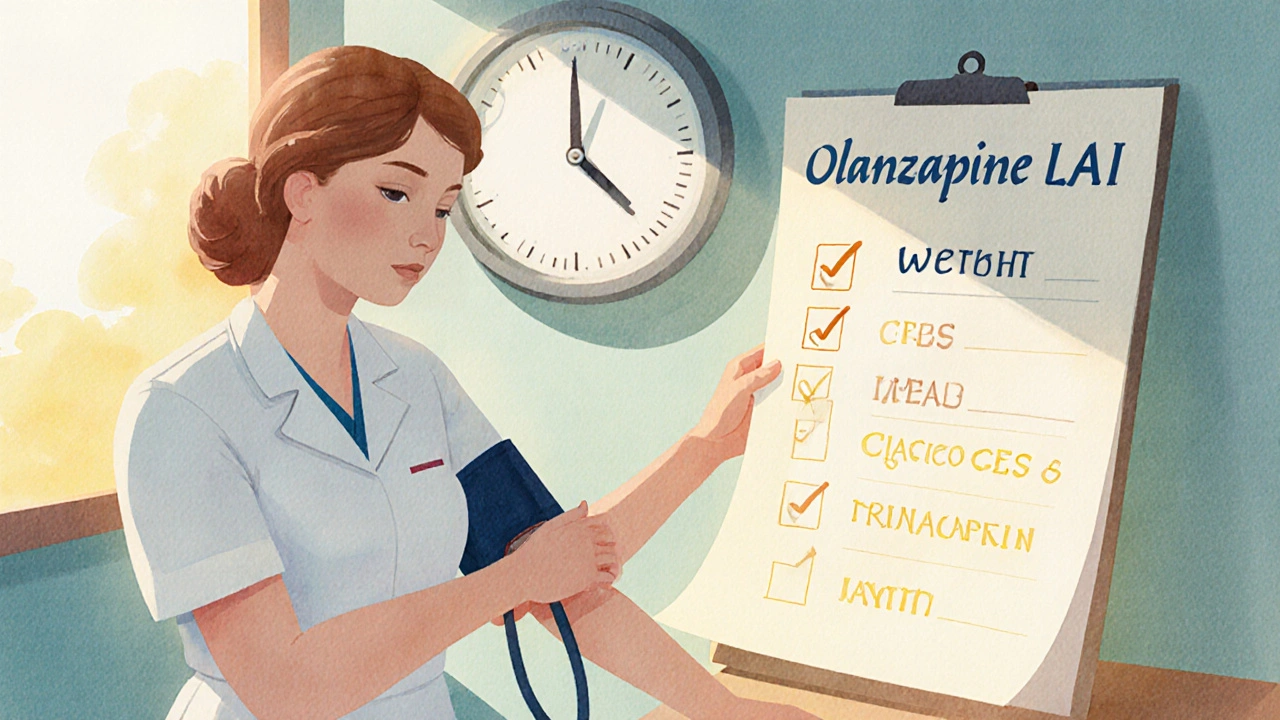
Long-Acting Injectables: Why Extended Side Effect Monitoring Is Non-Negotiable
- Keith Ashcroft
- |
- |
- 14
Long-acting injectable antipsychotics improve adherence but require rigorous, ongoing side effect monitoring to prevent serious physical health complications. Current practices fall dangerously short.
View more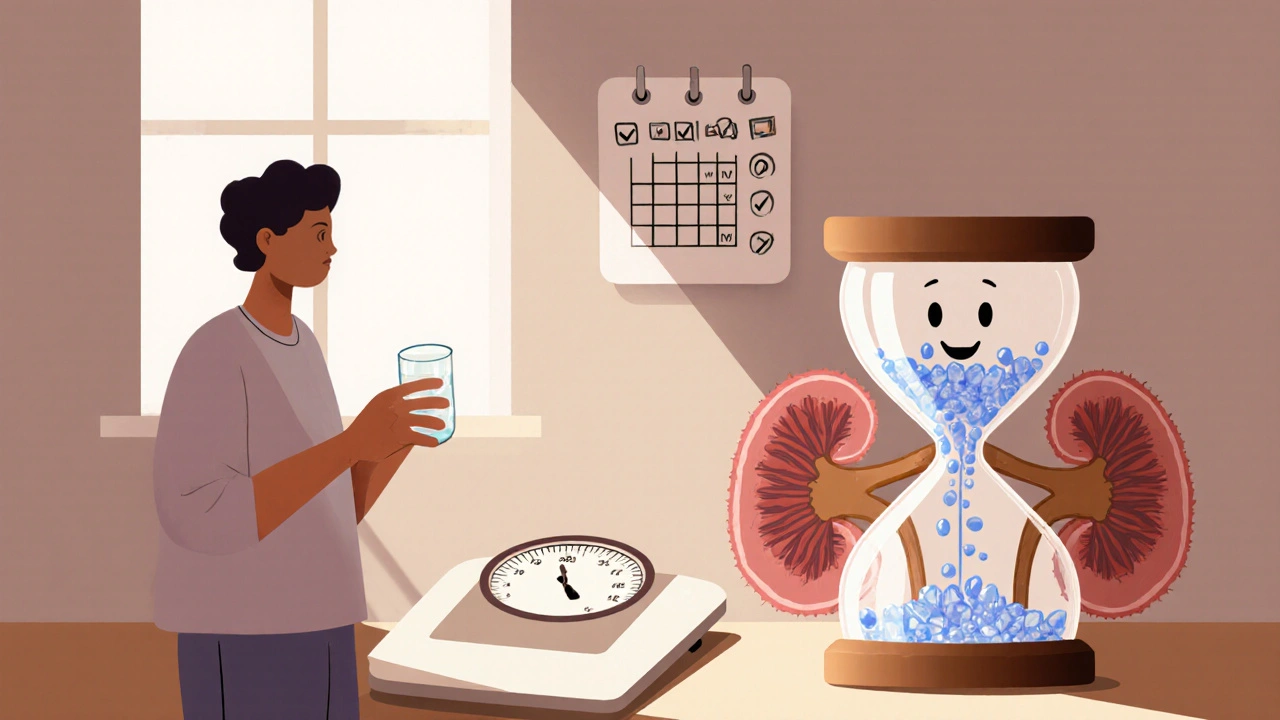
Hydration and Diuretics: How to Balance Fluid Intake to Avoid Side Effects
- Keith Ashcroft
- |
- |
- 12
Learn how to balance fluid intake when taking diuretics to avoid dehydration, electrolyte loss, and dangerous side effects. Practical tips on water, electrolytes, weight tracking, and what to avoid.
View more
The Environmental Impact of Tinidazole: What We Know So Far
- Keith Ashcroft
- |
- |
- 14
Tinidazole, a common antibiotic, is polluting waterways and fueling antibiotic resistance. Learn how it enters the environment, its effects on wildlife, and what you can do to help.
View more
How to Manage Deplumation in a Multi-Bird Household
- Beata Staszkow
- |
- |
- 9
Learn how to stop feather loss in multiple birds living together. Discover the real causes of deplumation-from stress and diet to aggression-and what actually works to restore your birds' feathers and peace.
View more