
Medication Safety: Protect Yourself from Harmful Interactions and Errors
When you take a medication safety, the practices and systems that prevent harm from drugs, including proper dosing, avoiding interactions, and ensuring correct dispensing. Also known as drug safety, it’s not just about following labels—it’s about understanding what your body is really handling. Every year, hundreds of thousands of people end up in emergency rooms because of mistakes that could’ve been avoided: mixing blood thinners with certain painkillers, taking statins that clash with grapefruit, or giving a child the wrong dose of liquid medicine. These aren’t rare accidents. They’re systemic risks hidden in plain sight.
Drug interactions, when two or more medications affect each other’s behavior in the body, often dangerously are one of the biggest threats. For example, taking metoclopramide with Parkinson’s meds can make tremors worse. Or using antiemetics that block dopamine while you’re on antipsychotics—suddenly, your movement slows, your balance goes, and your doctor didn’t warn you. Even something as simple as generic drug substitution, when a pharmacist swaps a brand-name drug for a cheaper generic version can be risky if you’re on an NTI drug—narrow therapeutic index meds where tiny dose changes cause big side effects. State laws vary wildly on whether pharmacists need your consent to make that swap. In some places, they can do it without telling you. In others, they must ask. You need to know which rules apply where.
Then there’s prescription errors, mistakes in writing, filling, or taking a prescription that lead to harm. A misread decimal point on a pediatric dose. A pill bottle labeled in a foreign language while traveling. A long-acting injectable antipsychotic that requires weekly monitoring but gets handed out like a vitamin. These aren’t just clerical slips—they’re life-altering events. And they happen more often than you think, especially in nursing homes, where formulary gaps and insurance delays leave people without their meds for weeks.
Medication safety also means knowing what’s inside your pills. Long-term metformin use can drain your vitamin B12, leading to nerve damage you won’t notice until it’s too late. Statins—some hydrophilic, some lipophilic—carry different risks for muscle pain. And if you’re on diuretics, your fluid balance isn’t just about thirst; it’s about potassium levels, heart rhythm, and avoiding collapse. The same goes for gout meds, anticoagulants for athletes, or even eye drops like FML Forte, where steroid overuse can blind you silently.
What you’ll find here isn’t theory. It’s real-world guidance pulled from posts that dig into the messy, overlooked details: how 180-day exclusivity delays cheaper generics, why child-resistant packaging isn’t enough, how to read labels when crossing time zones, and what to do if your insurer denies coverage. These aren’t generic warnings. They’re actionable checks you can run today—before the next pill goes in your mouth.
New Safety Data Changing Medication Guidelines: Latest Updates in 2026
- Beata Staszkow
- |
- |
- 13
New safety data in 2025 forced major updates to medication guidelines worldwide. From hazardous drug lists to CMS performance metrics, here's what changed and how it affects patients and providers.
View more
How to Prevent Pediatric Dispensing Errors with Weight-Based Checks
- Beata Staszkow
- |
- |
- 9
Pediatric medication errors often stem from weight calculation mistakes. Learn how weight-based verification at every step-prescribing, dispensing, and administering-can prevent life-threatening dosing errors in children.
View more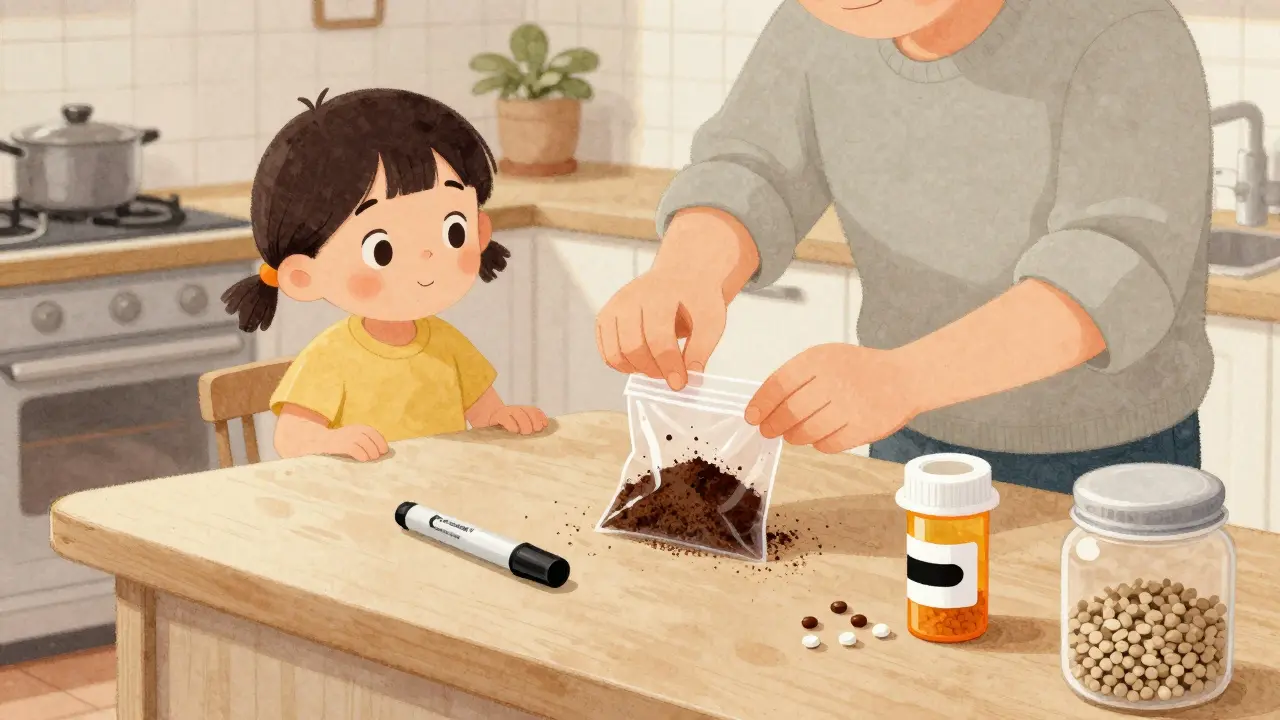
How to Safely Dispose of Medications in Household Trash: Step-by-Step Guide
- Keith Ashcroft
- |
- |
- 8
Learn how to safely dispose of expired or unused medications in household trash using FDA-approved steps. Prevent misuse, protect kids and pets, and reduce environmental harm with this simple guide.
View more
How to Use Pharmacy Apps to Track Potential Drug Interactions
- Keith Ashcroft
- |
- |
- 12
Learn how to use pharmacy apps to spot dangerous drug interactions before they happen. Discover the best apps for patients and pros, how they work, and how to avoid costly mistakes with prescriptions, supplements, and OTC meds.
View more
Questions to Ask Your Pharmacist About Prescription Medications
- Beata Staszkow
- |
- |
- 9
Learn the essential questions to ask your pharmacist about prescription medications to avoid errors, manage side effects, save money, and stay safe. Get practical advice backed by research and real-world examples.
View more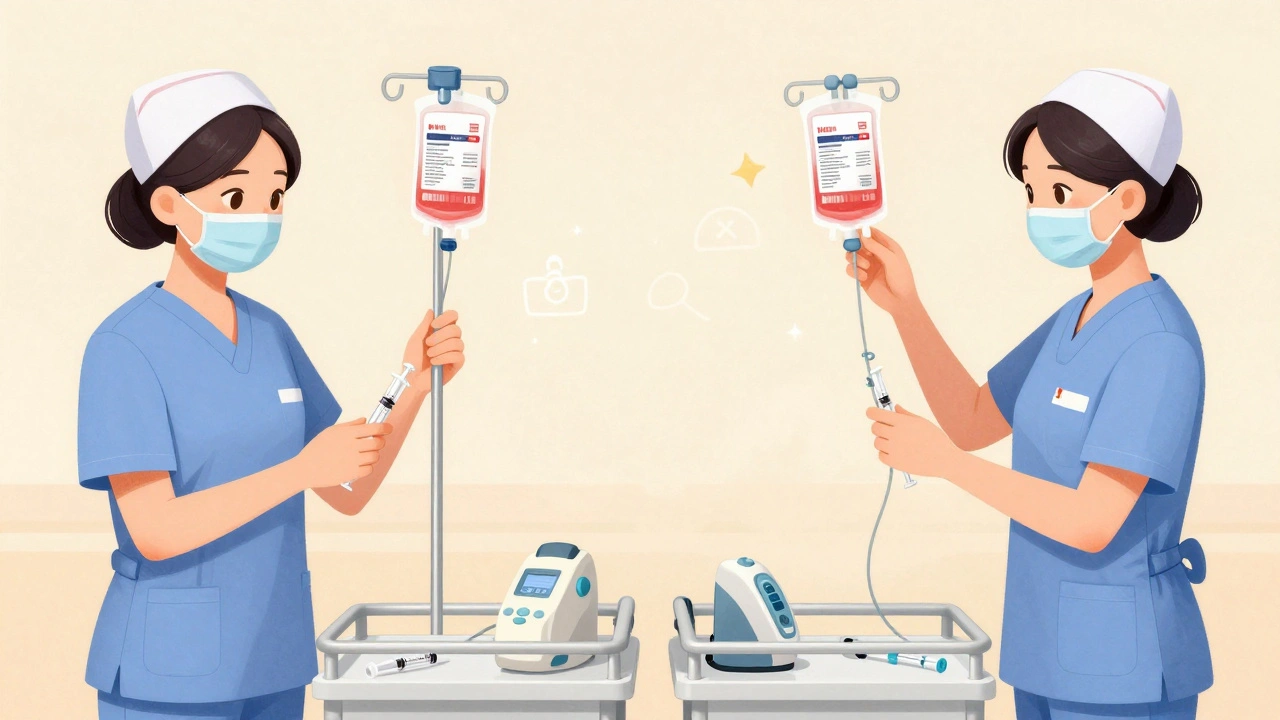
How to Identify High-Alert Medications Requiring Double Checks in Healthcare
- Beata Staszkow
- |
- |
- 9
Learn how to identify high-alert medications that require independent double checks in healthcare settings. Understand which drugs are most dangerous, how to perform a true double check, and why proper implementation saves lives.
View more