
Category: Medications - Page 5

State Laws on Generic Drug Substitution: What Pharmacists and Patients Need to Know
- Keith Ashcroft
- |
- |
- 10
State laws on generic drug substitution vary widely across the U.S., affecting how pharmacists swap brand-name drugs for generics. Learn how consent rules, NTI drug restrictions, and biosimilar policies differ by state-and what patients and pharmacists need to know.
View more
180-Day Exclusivity in Generic Drug Market Entry: How Patent Law Controls Access
- Keith Ashcroft
- |
- |
- 11
The 180-day exclusivity rule under the Hatch-Waxman Act gives the first generic drug maker to challenge a patent a temporary monopoly - but it often delays competition and keeps prices high. Here’s how it works, why it’s controversial, and what’s being done to fix it.
View more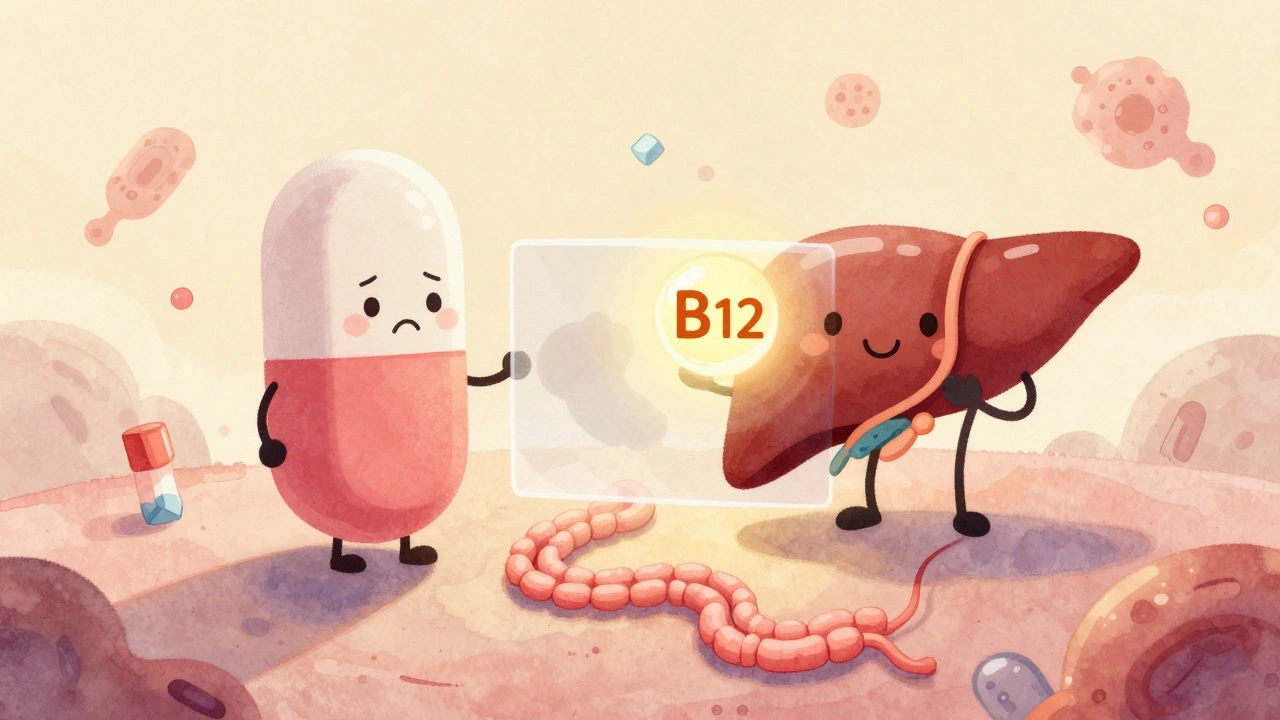
Metformin and Vitamin B12 Deficiency: What You Need to Know About Long-Term Risks
- Keith Ashcroft
- |
- |
- 12
Long-term metformin use can cause vitamin B12 deficiency, leading to nerve damage, fatigue, and confusion. Learn the symptoms, who's at risk, and how to prevent irreversible complications with simple blood tests and supplements.
View more
Antiemetics and Parkinson’s Medications: Avoiding Dangerous Dopamine Interactions
- Keith Ashcroft
- |
- |
- 10
Dopamine-blocking antiemetics like metoclopramide can severely worsen Parkinson’s symptoms. Learn which drugs to avoid, safer alternatives like domperidone and cyclizine, and how to protect your movement from dangerous medication interactions.
View more
Fixed-dose combination drugs: what they are and why they exist
- Keith Ashcroft
- |
- |
- 13
Fixed-dose combination drugs combine two or more medications in one pill to improve adherence, reduce pill burden, and enhance treatment effectiveness. Learn how they work, where they're used, and when they make sense.
View more
How to Read Prescription Labels When Traveling or Crossing Time Zones
- Beata Staszkow
- |
- |
- 8
Learn how to read prescription labels when traveling across time zones to avoid missed doses, customs seizures, and health emergencies. Essential tips for safe international travel with medications.
View more
Long-Term Care Insurance and Generic Drug Coverage in Nursing Homes: What You Really Need to Know
- Beata Staszkow
- |
- |
- 9
Long-term care insurance doesn't cover generic drugs in nursing homes. Medicare Part D does - but formularies, delays, and enrollment gaps can block access. Know how it works to avoid costly surprises.
View more
Long-Acting Injectables: Why Extended Side Effect Monitoring Is Non-Negotiable
- Keith Ashcroft
- |
- |
- 14
Long-acting injectable antipsychotics improve adherence but require rigorous, ongoing side effect monitoring to prevent serious physical health complications. Current practices fall dangerously short.
View more
Hydration and Diuretics: How to Balance Fluid Intake to Avoid Side Effects
- Keith Ashcroft
- |
- |
- 12
Learn how to balance fluid intake when taking diuretics to avoid dehydration, electrolyte loss, and dangerous side effects. Practical tips on water, electrolytes, weight tracking, and what to avoid.
View more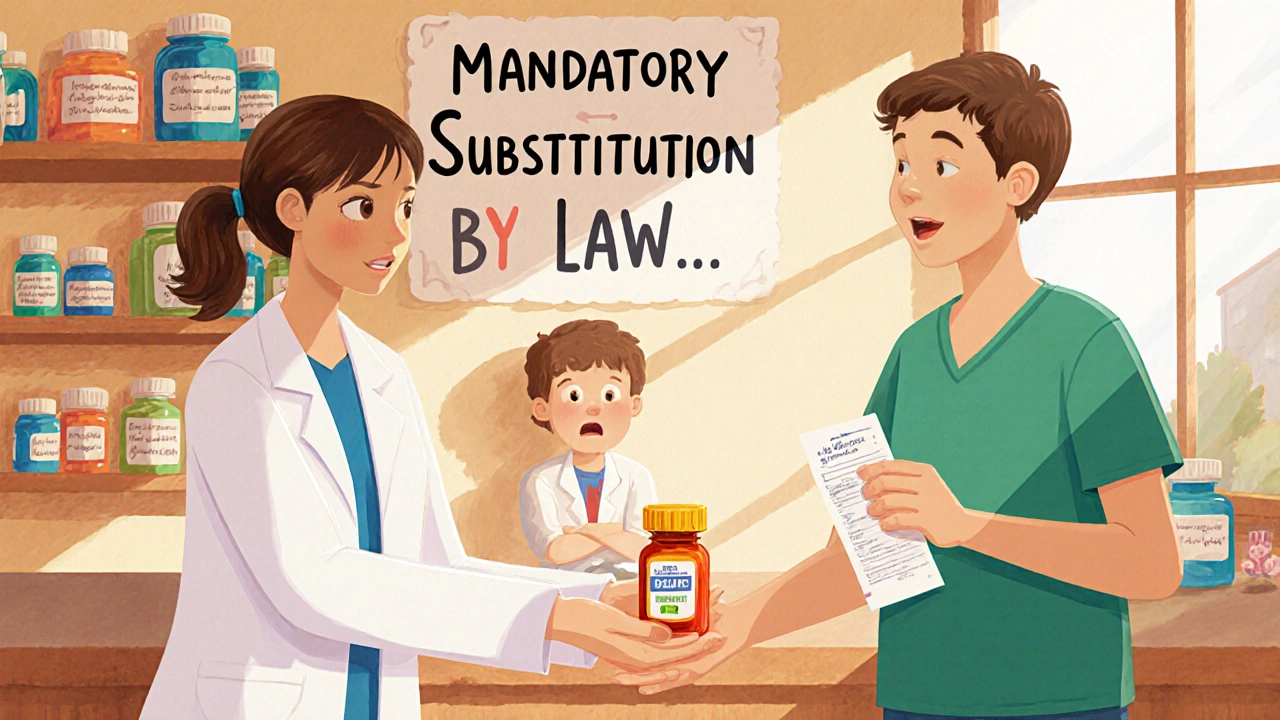
Mandatory vs Permissive Substitution: How State Laws Shape Generic Drug Access
- Beata Staszkow
- |
- |
- 12
Mandatory and permissive substitution laws determine whether pharmacists must or can switch brand-name drugs to generics. These state-level rules impact drug costs, adherence, and patient safety - with big differences across the U.S.
View more