
Medications: Your Quick and Clear Guide
Medications can be confusing, but knowing how they work and your options can make managing your health easier. Whether you’re trying to understand a prescribed drug, looking for alternatives, or figuring out how to buy medicine safely, you’re in the right spot.
Take Arimidex for example. It’s used in hormone-driven breast cancer, and understanding its effects and side effects helps patients feel more in control. Or consider Strattera, a non-stimulant ADHD medication that works differently from other treatments. Our easy, visual explanations can help both adults and parents grasp how it affects the brain.
Smart Options and Safe Buying
Thinking about buying meds online? It’s key to find trusted sources to avoid scams. For instance, if you need Tenormin, knowing where to shop safely and get a fair price saves headaches and keeps your heart health on track.
Plus, sometimes you need alternatives. Maybe Neurontin isn’t the only answer for nerve pain – Lamotrigine could be an option. Or when dealing with ailments from asthma to acne or hair loss, lots of FDA-approved generics and alternative treatments are out there in 2025. Exploring these options can save money and sometimes offer fewer side effects.
Finding the Right Fit for You
Every medication has pros and cons. Like treatments for erectile dysfunction, where options range from Cialis to lifestyle tweaks and hormone therapy. Or antibiotics where Vibramycin alternatives might be necessary due to allergies.
Knowing these details helps you have better conversations with your doctor and make choices that fit your lifestyle and health goals. So whether it’s pain relief with Meloxicam alternatives or nausea medications beyond Motilium, getting the right info upfront makes a big difference.
So, if you want clear, practical answers about medications—from how they work to safe buying tips and smart alternatives—this guide keeps it simple and real. You don’t have to get lost in medical jargon to feel confident about your health choices.
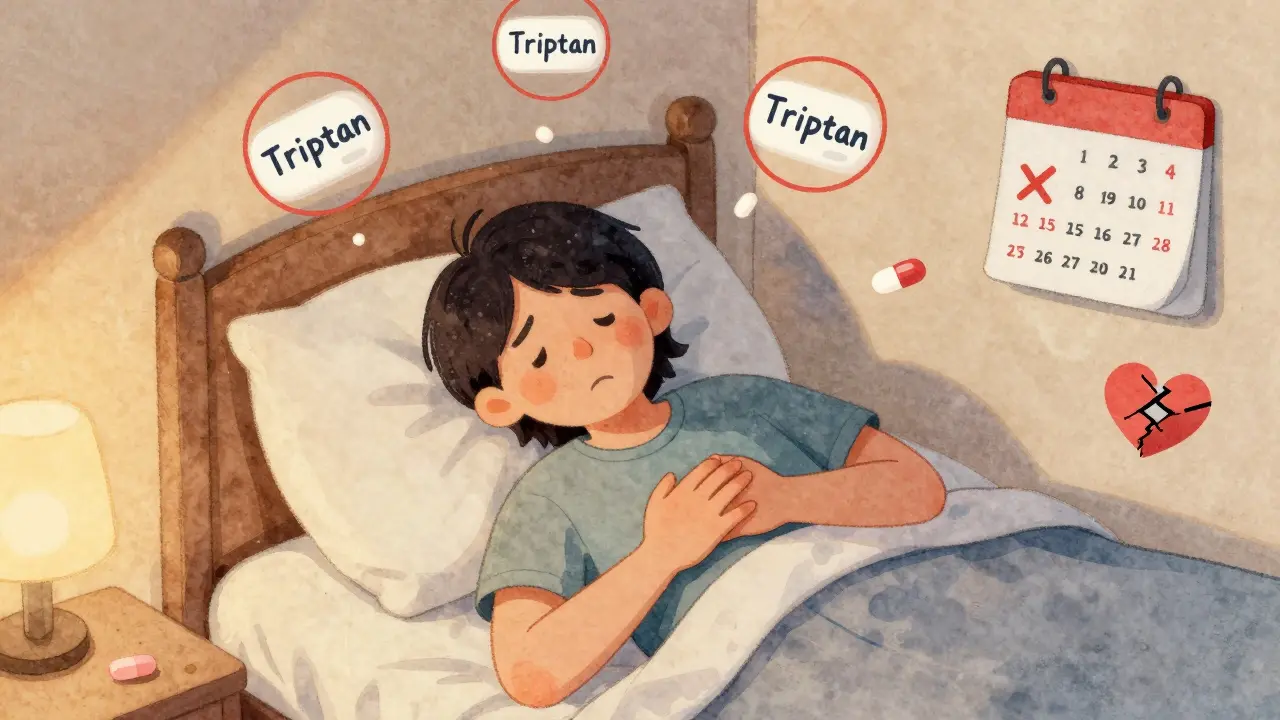
Migraine Medications: Triptans, Gepants, and Ditans Safety Compared
- Keith Ashcroft
- |
- |
- 15
Triptans, gepants, and ditans treat migraines differently-and their safety profiles vary greatly. Learn which is safest for your heart, lifestyle, and daily responsibilities.
View more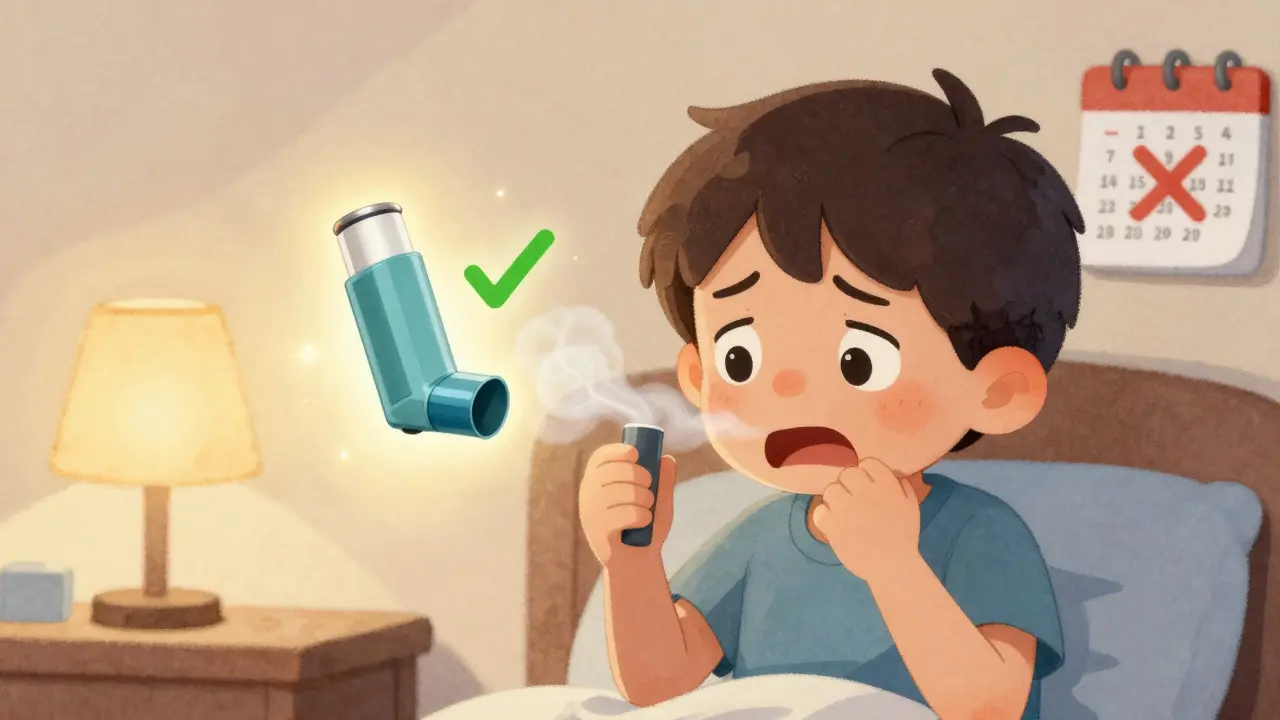
How to Safely Manage Expired Inhalers, Eye Drops, and Topical Medications
- Keith Ashcroft
- |
- |
- 10
Expired inhalers, eye drops, and topical medications lose potency and can become unsafe. Learn how to safely dispose of them and why using them past expiration can be dangerous - especially during emergencies.
View more
IVIVC and Waivers: How In Vitro Methods Are Replacing In Vivo Testing in Bioequivalence
- Keith Ashcroft
- |
- |
- 10
IVIVC uses lab-based dissolution testing to predict how a drug behaves in the body, allowing regulators to waive costly human bioequivalence trials. Learn how it works, where it succeeds, and why it’s reshaping generic drug approval.
View more
Medications for Alcohol Use Disorder and the Hidden Risk of Relapse
- Beata Staszkow
- |
- |
- 11
Medications for alcohol use disorder can reduce relapse risk, but they're only effective when matched to the right person and combined with support. Learn how naltrexone, acamprosate, and gabapentin work-and why so many still fall back into drinking.
View more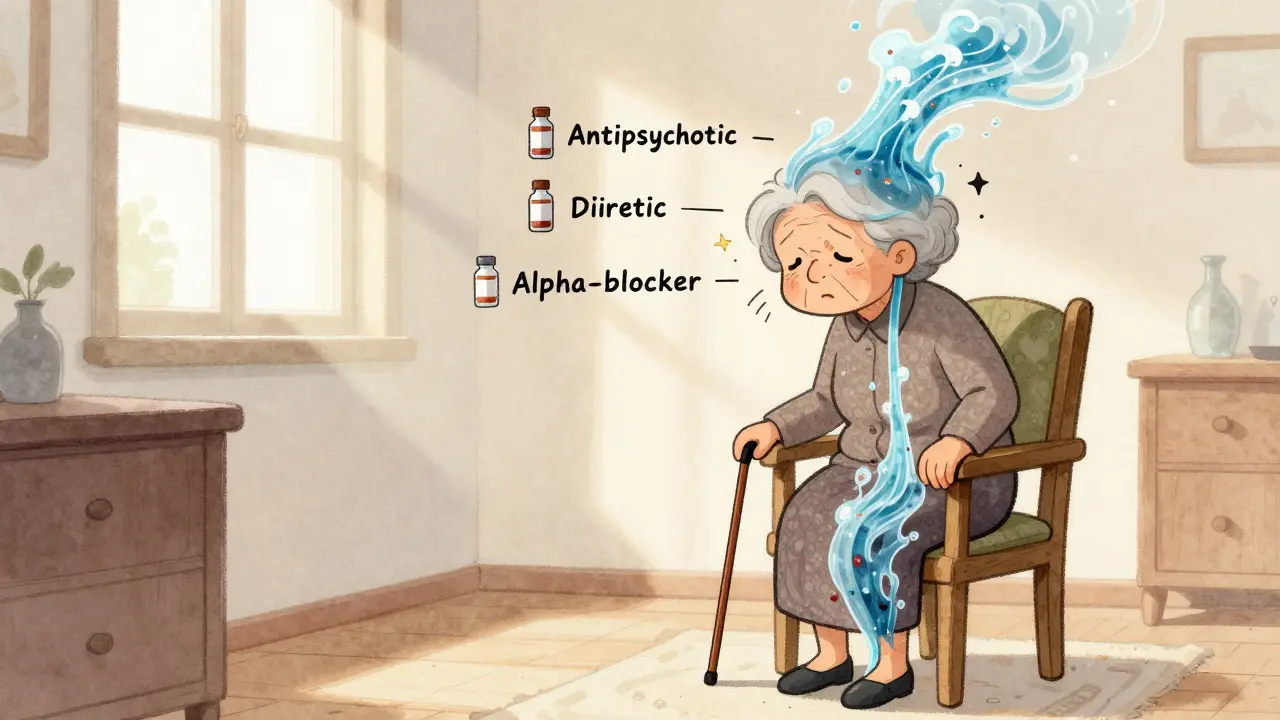
Orthostatic Hypotension from Medications: Why You Feel Dizzy When You Stand Up
- Beata Staszkow
- |
- |
- 16
Dizziness when standing up? It might be your medication. Orthostatic hypotension from drugs is common, dangerous, and often preventable. Learn which meds cause it, how to spot it, and how to fix it.
View more
Alcohol and Sleep Medications: Why Even One Drink Can Be Deadly
- Beata Staszkow
- |
- |
- 11
Mixing alcohol with sleep medications like Ambien or Unisom can cause fatal respiratory depression, memory loss, and dangerous sleep behaviors. Even one drink can be deadly. Here’s what you need to know.
View more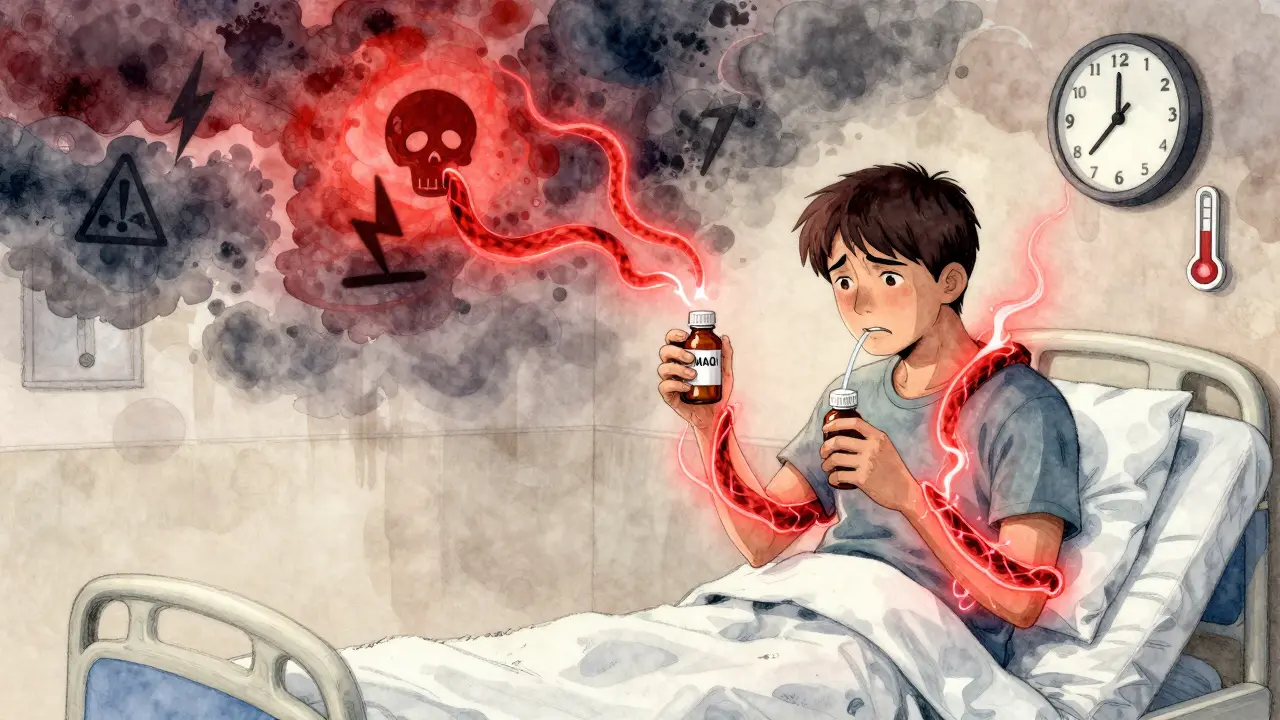
Opioids with MAOIs: Dangerous Interactions and How to Avoid Them
- Beata Staszkow
- |
- |
- 15
Combining opioids with MAOIs can trigger life-threatening serotonin syndrome. Learn which opioids are dangerous, why the interaction happens, and how to avoid fatal mistakes with safe alternatives and strict washout periods.
View more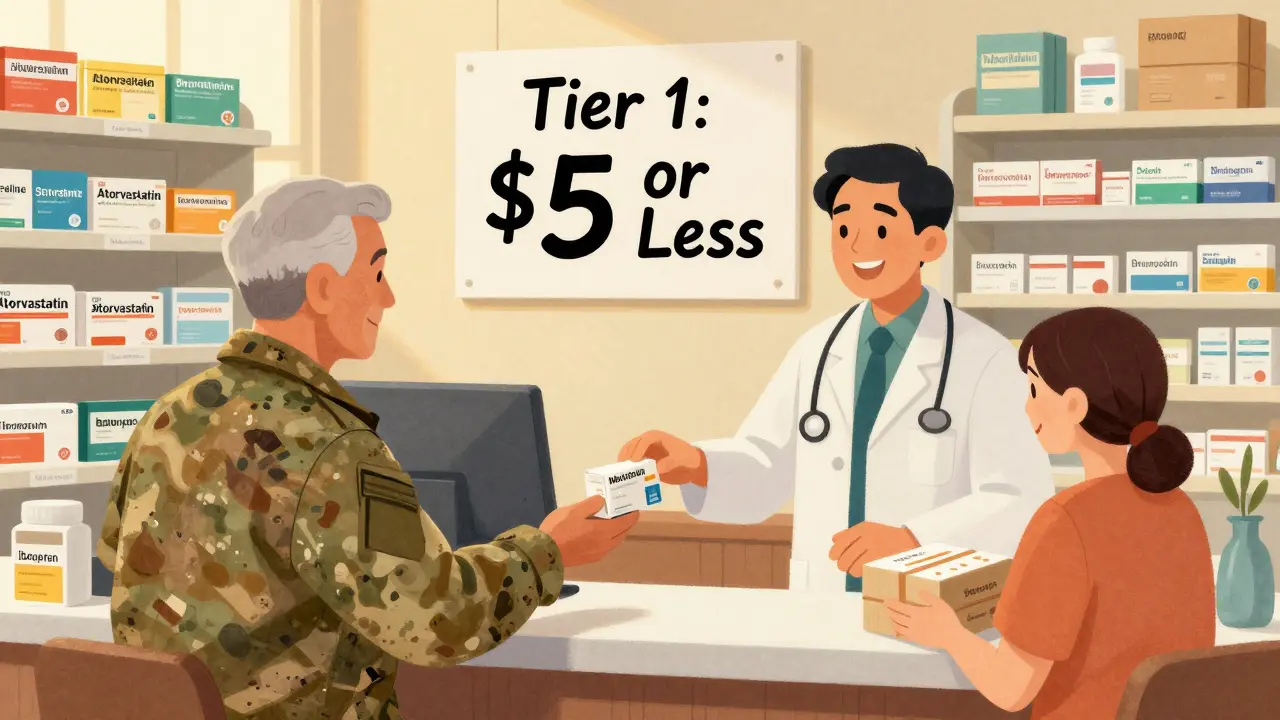
VA Generic Coverage: How Veterans Affairs Formularies Control Prescription Costs and Access
- Beata Staszkow
- |
- |
- 11
The VA formulary ensures veterans get affordable, effective generic medications with low copays. Learn how the three-tier system works, what drugs are covered in 2025, and how to navigate prescriptions through VA pharmacies.
View more
COPD Triple Inhaler Therapy: Reducing Exacerbations and Improving Management
- Beata Staszkow
- |
- |
- 13
Triple inhaler therapy combines three medications for COPD management. Learn how it reduces exacerbations, who qualifies, and real-world pros and cons. Based on 2024 GOLD guidelines, this treatment is targeted for specific patients with frequent flare-ups and elevated eosinophil levels.
View more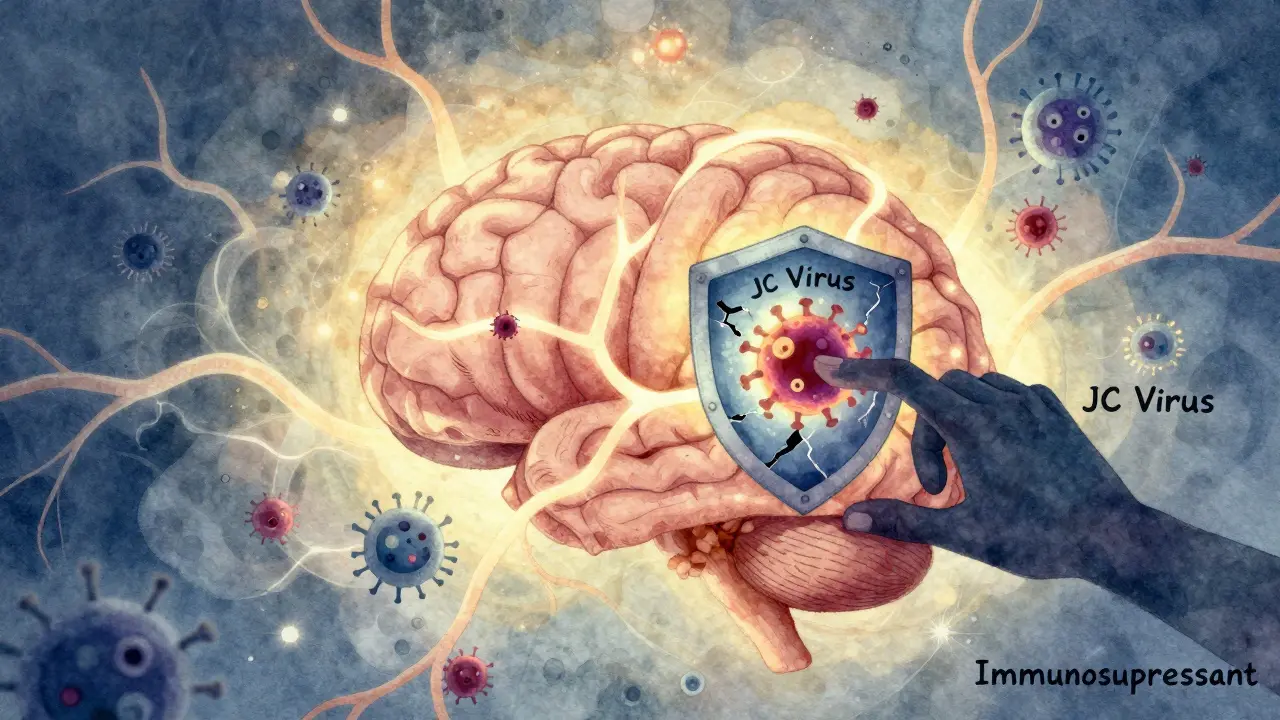
Progressive Multifocal Leukoencephalopathy Risk from Immunosuppressants: What You Need to Know
- Beata Staszkow
- |
- |
- 12
PML is a rare but deadly brain infection triggered by the JC virus in people taking immunosuppressants. Learn which drugs carry the highest risk, how to detect PML early, and what steps can save your life.
View more