
Category: Medications - Page 2
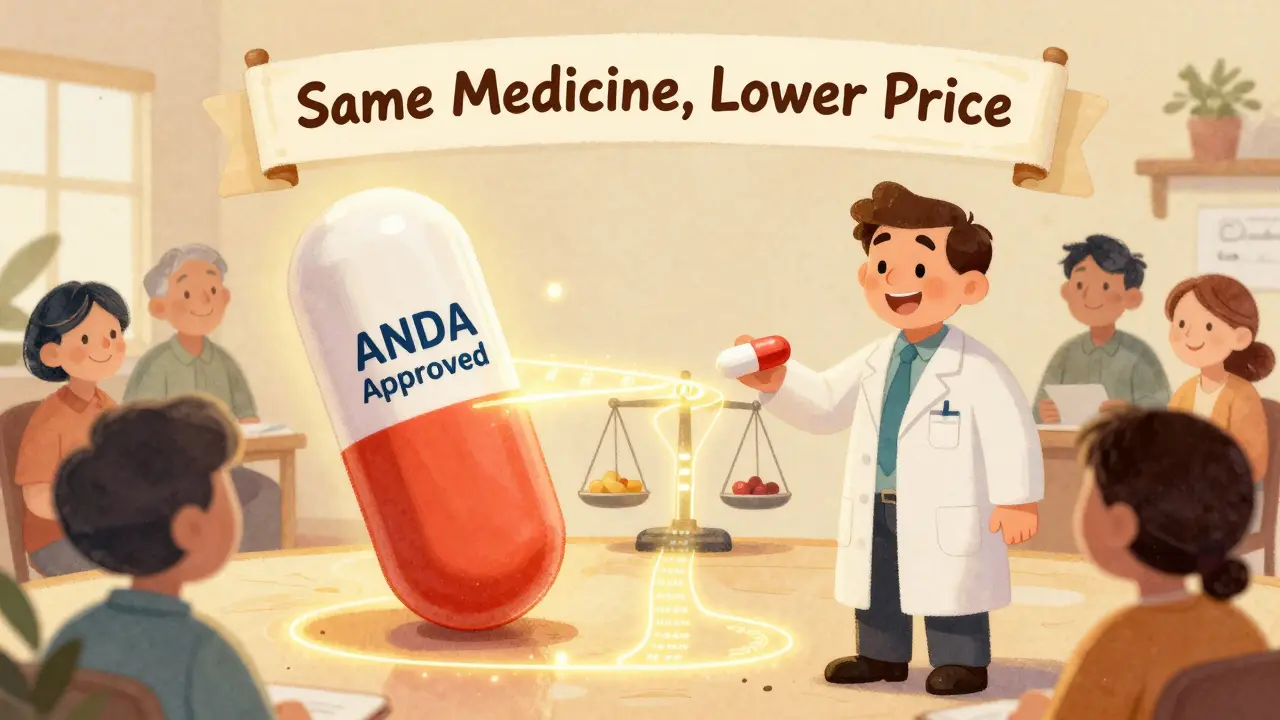
ANDA Process: Legal Requirements for Generic Drug Approval in the U.S.
- Beata Staszkow
- |
- |
- 11
The ANDA process lets generic drug makers get FDA approval by proving bioequivalence to brand-name drugs, cutting costs and speeding access. Legal requirements include identical active ingredients, strict CMC standards, patent certifications, and GDUFA fees.
View more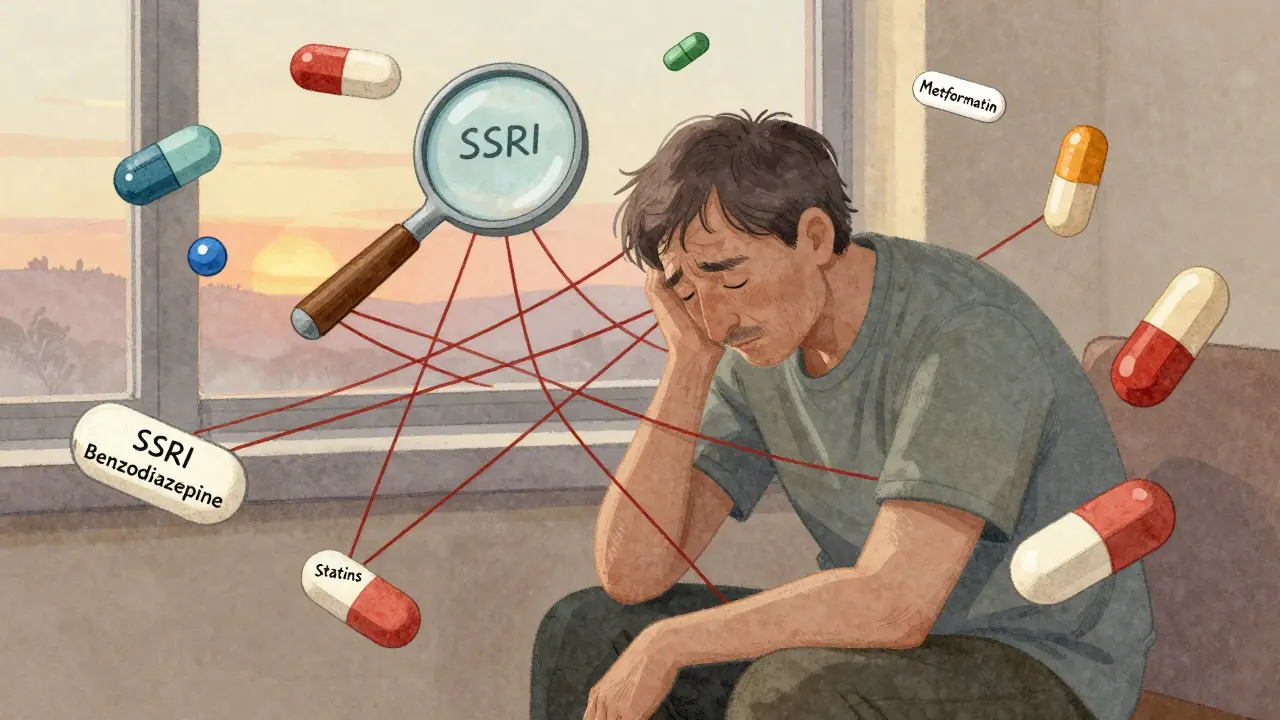
Mental Illness and Medication Interactions: Navigating Complex Polypharmacy
- Beata Staszkow
- |
- |
- 10
Psychiatric polypharmacy-taking multiple mental health meds at once-is common but often risky. Learn why it happens, who’s most at risk, and how to safely reduce unnecessary drugs to improve health and quality of life.
View more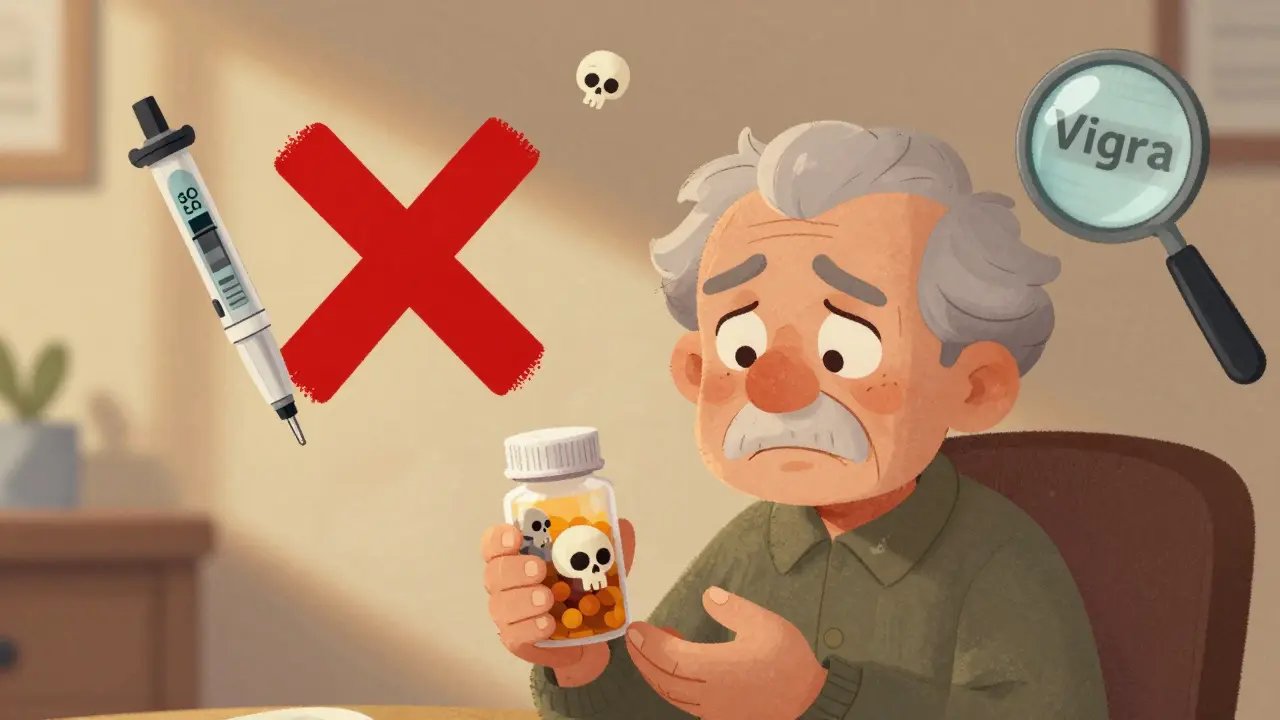
Counterfeit Medication Red Flags: What to Watch For
- Beata Staszkow
- |
- |
- 9
Learn the top signs of counterfeit medication - from suspicious pricing to fake packaging and dangerous ingredients - and how to protect yourself from deadly fake pills sold online.
View more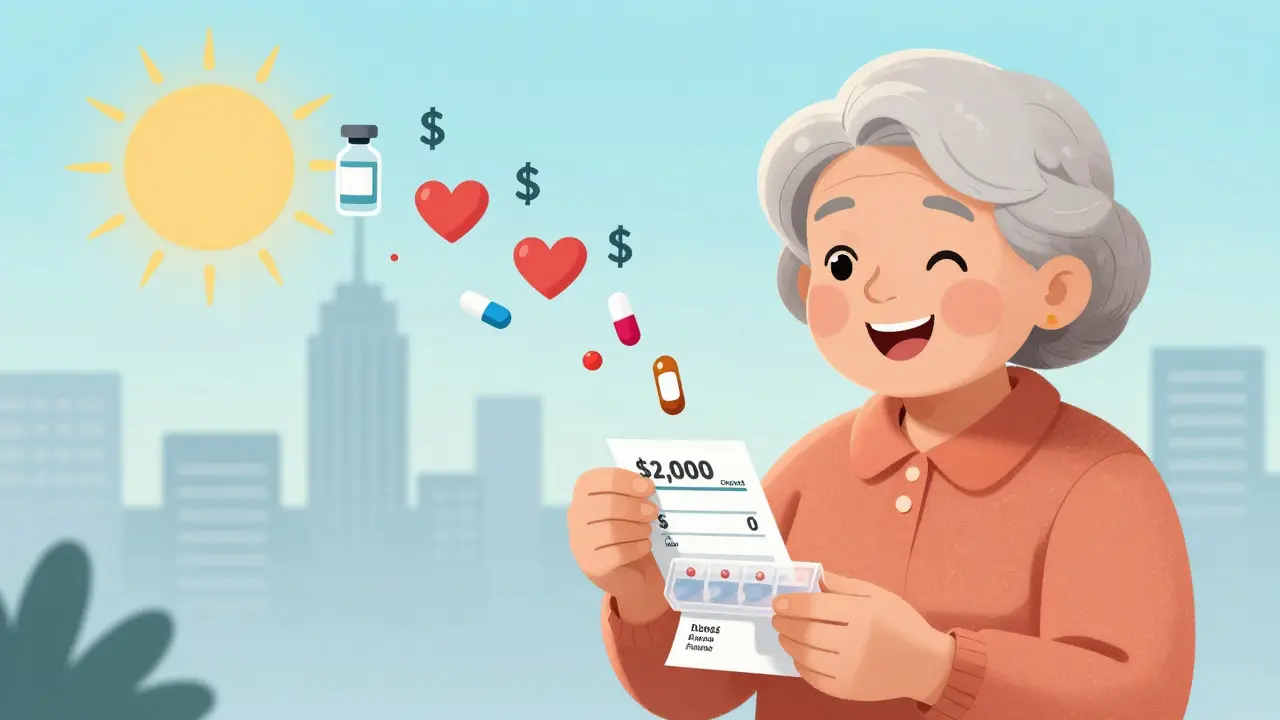
Medicare Part D Drug Coverage Explained for Patients in 2025
- Beata Staszkow
- |
- |
- 12
Medicare Part D in 2025 now caps out-of-pocket drug costs at $2,000 annually, eliminating the donut hole. Learn how the new coverage phases work, how to choose a plan, and what you still need to watch for.
View more
Anticonvulsants and Oral Contraceptives: How Seizure Medications Can Reduce Birth Control Effectiveness
- Keith Ashcroft
- |
- |
- 13
Certain seizure medications can make birth control pills, patches, and rings ineffective by speeding up hormone breakdown. Learn which anticonvulsants interfere, which birth control methods still work, and how to prevent unintended pregnancy.
View more
How to Prevent Pediatric Dispensing Errors with Weight-Based Checks
- Beata Staszkow
- |
- |
- 9
Pediatric medication errors often stem from weight calculation mistakes. Learn how weight-based verification at every step-prescribing, dispensing, and administering-can prevent life-threatening dosing errors in children.
View more
When Do Drug Patents Expire? Understanding the 20-Year Term and Real-World Timeline
- Beata Staszkow
- |
- |
- 12
Drug patents last 20 years from filing, but real market exclusivity is often just 7-12 years due to clinical trials. Extensions, regulatory exclusivity, and patent thickets can delay generics for years - here's how it really works.
View more
Magnesium Supplements and Osteoporosis Medications: The 2-Hour Timing Rule You Can't Ignore
- Keith Ashcroft
- |
- |
- 15
Magnesium supplements can block osteoporosis medications like Fosamax and Actonel from working. Learn the exact 2-hour timing rule to protect your bone density and avoid fractures.
View more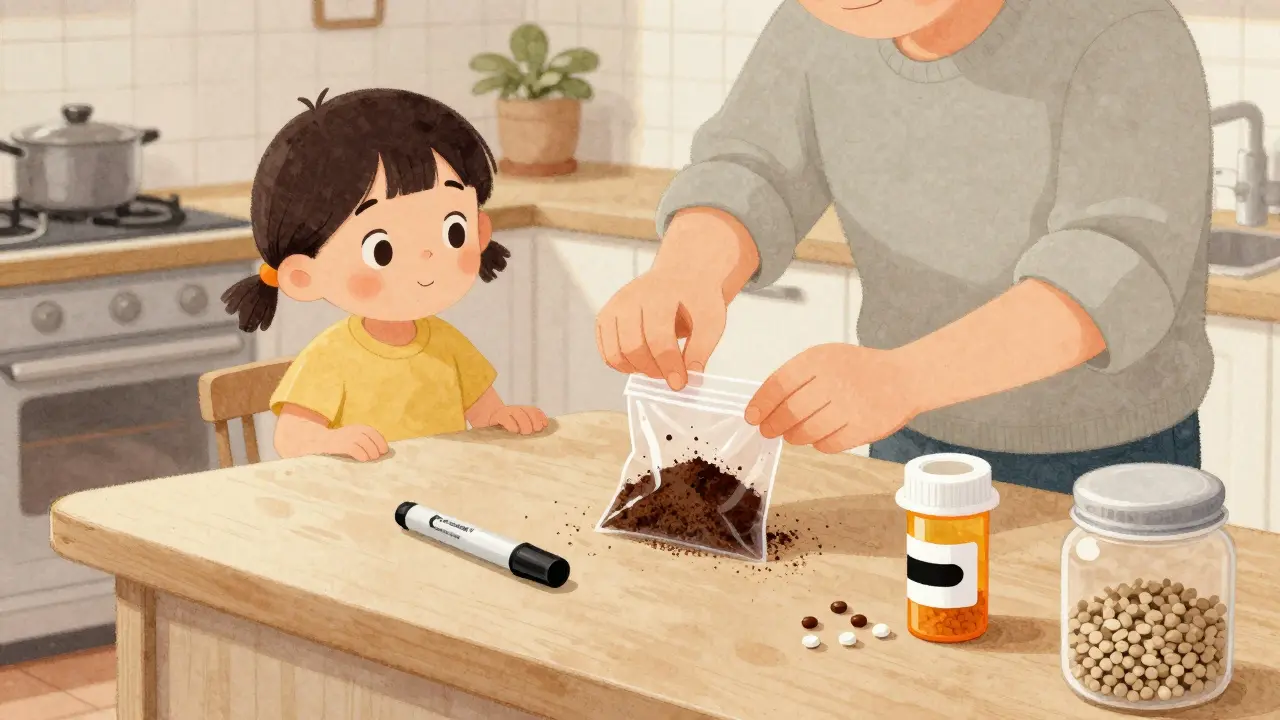
How to Safely Dispose of Medications in Household Trash: Step-by-Step Guide
- Keith Ashcroft
- |
- |
- 8
Learn how to safely dispose of expired or unused medications in household trash using FDA-approved steps. Prevent misuse, protect kids and pets, and reduce environmental harm with this simple guide.
View more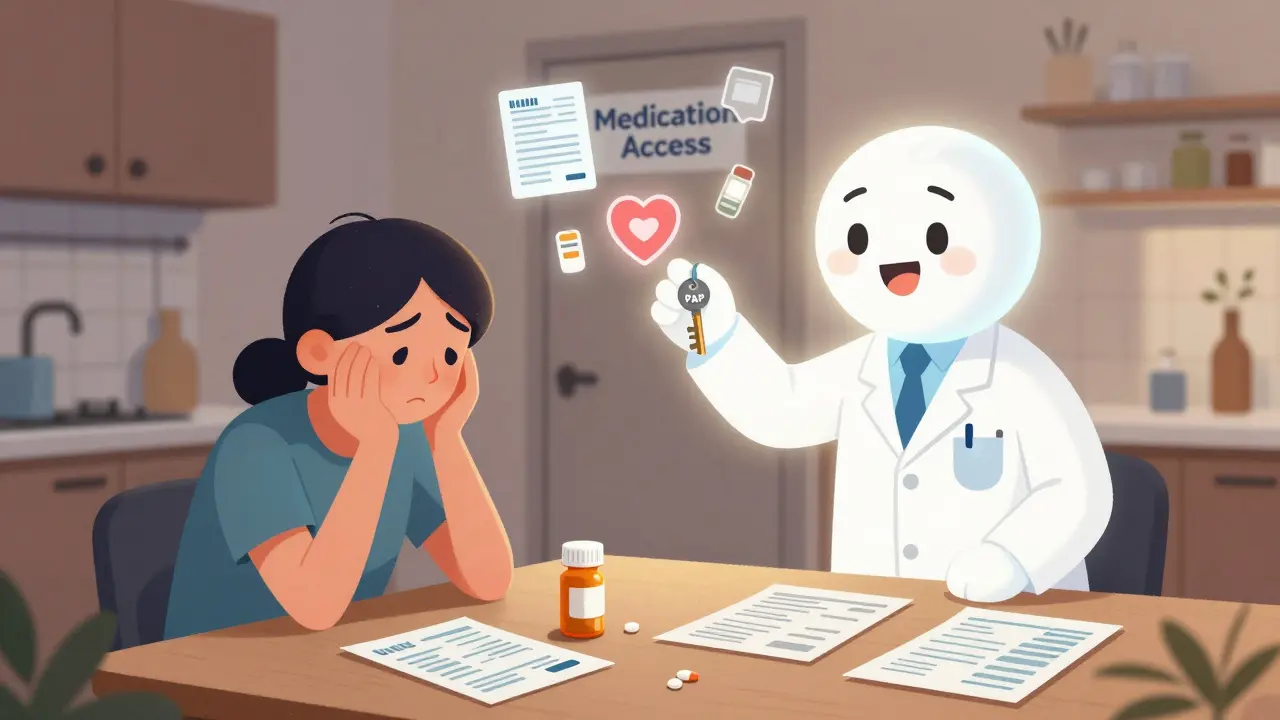
How to Use Patient Assistance Programs When No Generic Medication Exists
- Keith Ashcroft
- |
- |
- 13
When no generic drug exists, patient assistance programs can cut costs from thousands to zero. Learn how to apply, avoid common traps like accumulator adjustments, and find help for brand-name medications.
View more